Fairtrade Fortnight begins...
Words Tamsin Blanchard
Photographs Jenny Zarins
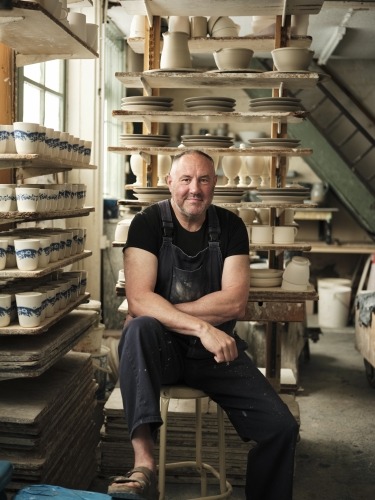
As Fairtrade Fortnight kicks off this week, chef Tom Hunt will be taking part in the Fairtrade Foundation’s virtual climate festival, called Choose the World You Want, which starts tomorrow with a discussion on how the climate crisis is impacting the global food supply, and the livelihoods of farmers. Hunt’s event, The Climate Change Garden, in partnership with the Permaculture Association, will explore how to create a space that makes you happy and meets your needs – and those of the environment – in a time of climate crisis.
Hunt’s Bristol restaurant, Poco, has won awards for its ethical and sustainable approach to food, including first prize in the 2018 Food Made Good Sustainability Rating, and Best Ethical Restaurant at the Observer Food Monthly Awards. He can’t pinpoint precisely when he became a Fairtrade ambassador. ‘It’s been so long,’ he told me over Zoom from his home in South East London. ‘For me Fairtrade is a life-long brand.’ He recalls recognising the symbol as a child. ‘I would always think, “How does non-Fairtrade food exist?” I’m shocked that our governments don’t protect the farmers and producers around the world. I’m still shocked that Fairtrade needs to exist and that makes it all the more important.’
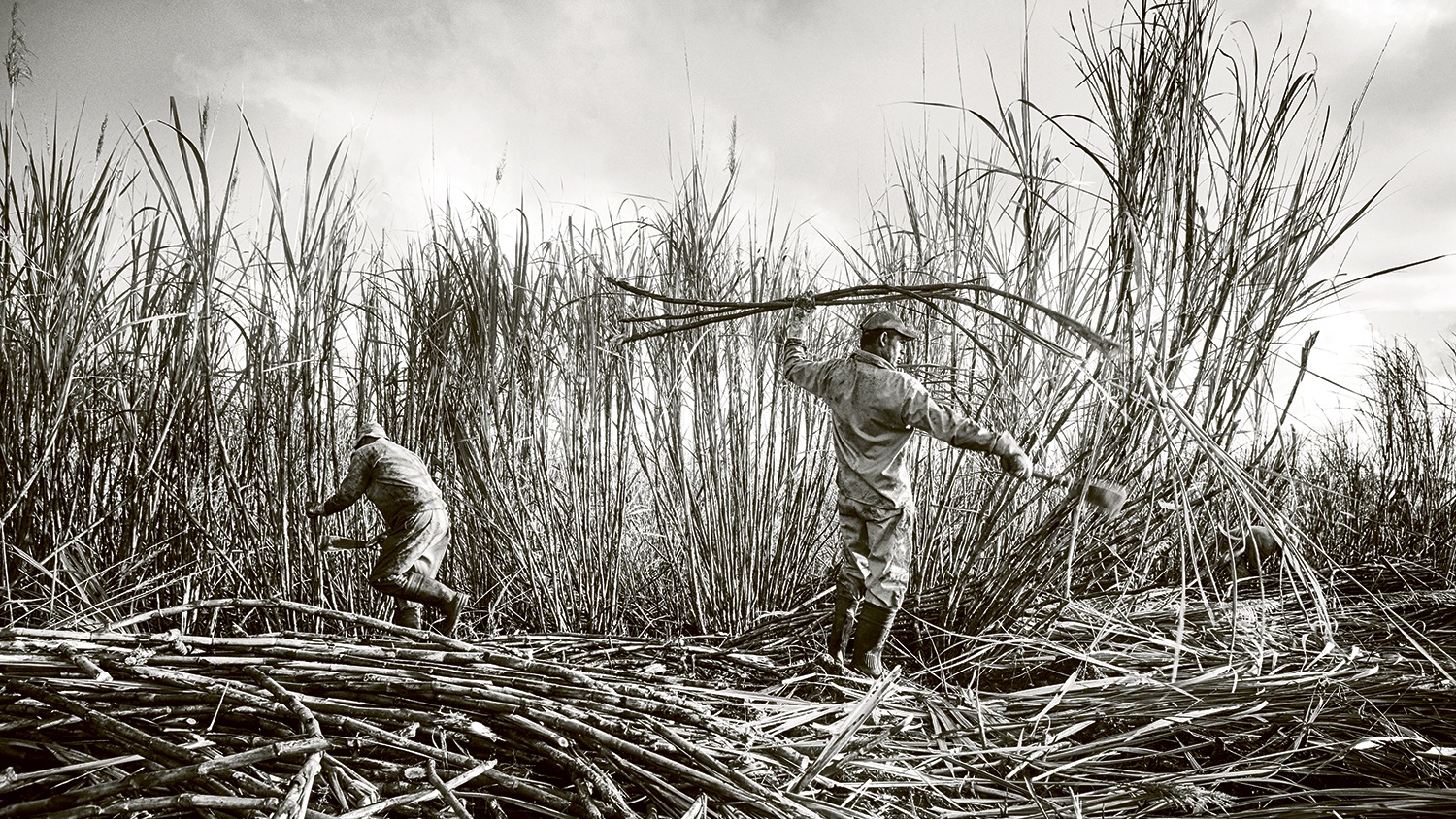
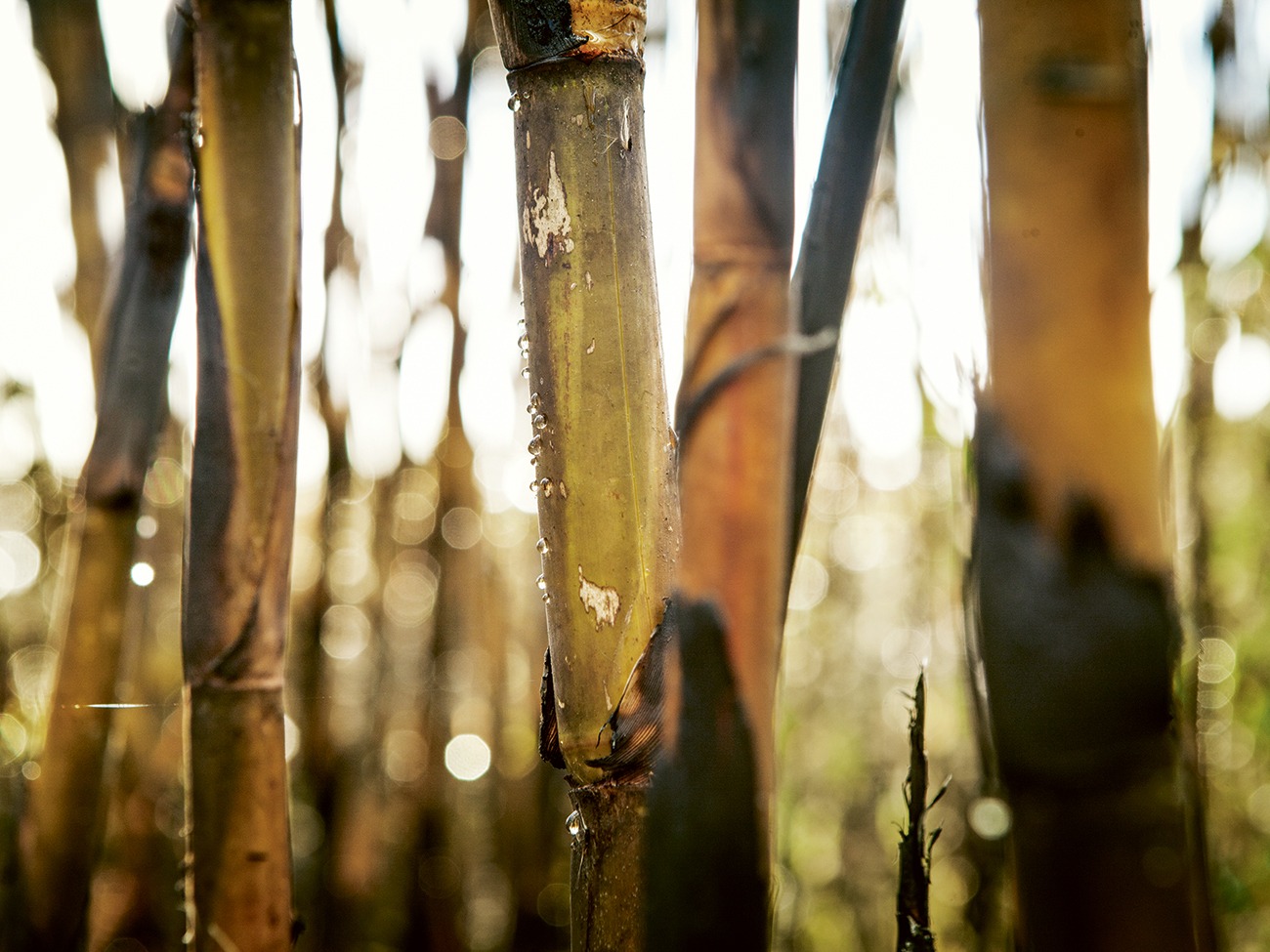
While Covid is proving extremely challenging for the restaurant, which is struggling to stay afloat despite having been established for 10 years, Hunt has always supported Fairtrade produce for the kitchen, particularly when it comes to key commodities – sugar, cocoa, coffee, bananas. ‘We are doing weekend delivery and just set up a finish-at-home meal kit. But it’s hard to make enough money through that.’
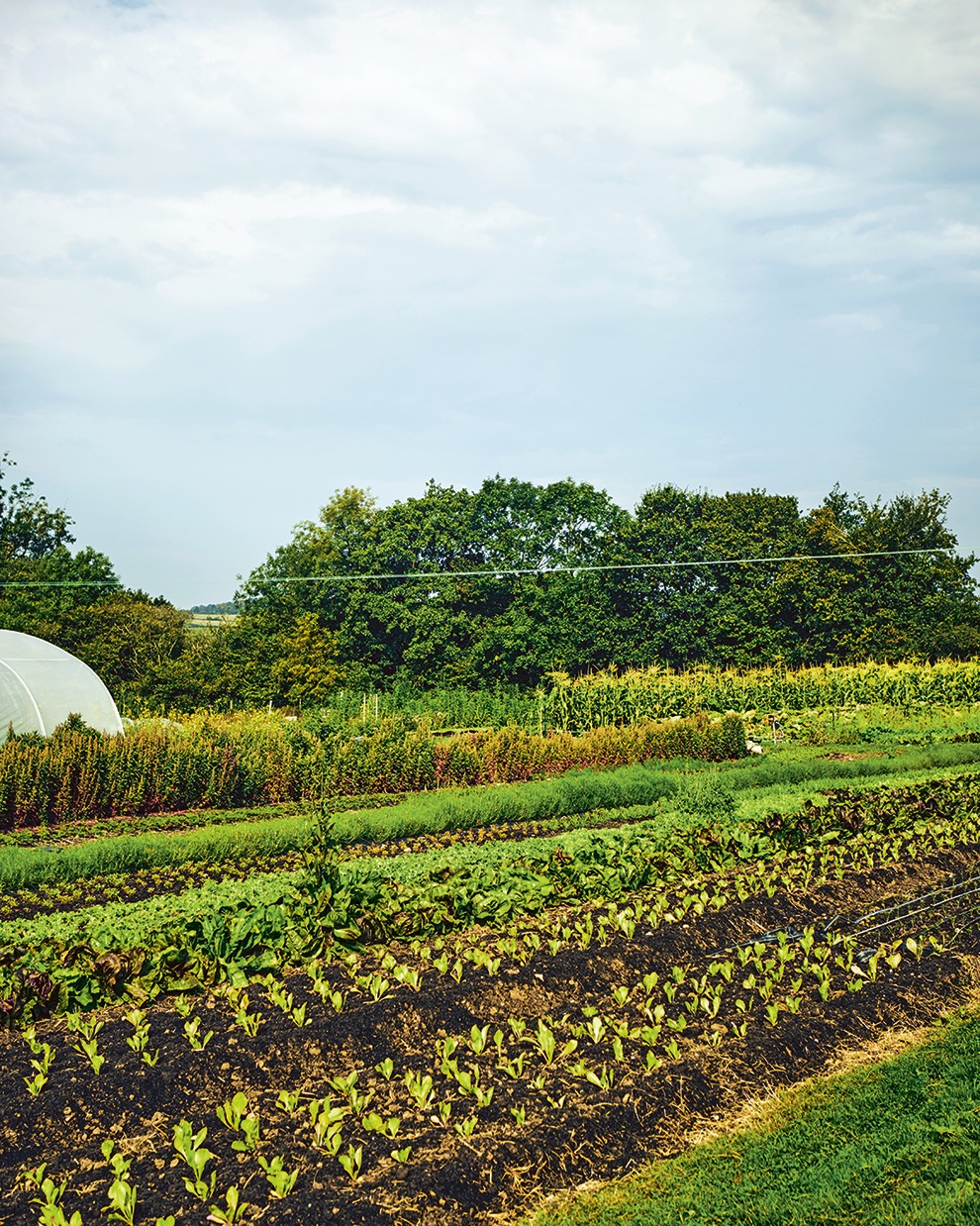
Growing the Rotation Risotto
The Regenerative Menu Box (order now for February 26 delivery) is to celebrate Fairtrade Week, with 10 percent of profits going to the foundation. It includes a Fairtrade single origin chocolate fondant and Rotation risotto of ‘truffled puffed quinoa – it’s basically a crop rotation of grains within a risotto with barley, rye and wheat, because a rotation of crops is important for organic soil.’ Needless to say, the quinoa is Fairtrade.
‘People don’t realise the extent to which Fairtrade works with their producers,’ says Hunt. ‘It’s not just about a safety net in terms of minimal prices, it’s about working to ensure they are climate resilient and many things. Fairtrade is so important to a sustainable and climate-resilient food system.’ It’s a core part of his new book, Eating for Pleasure, People & Planet, which is a manifesto for a climate friendly diet. He calls it ‘Root to Fruit Eating’. As well as managing greenhouse gas emissions and promoting biodiversity, Fairtrade does things like prohibiting the use of agrochemicals harmful to the environment and health.
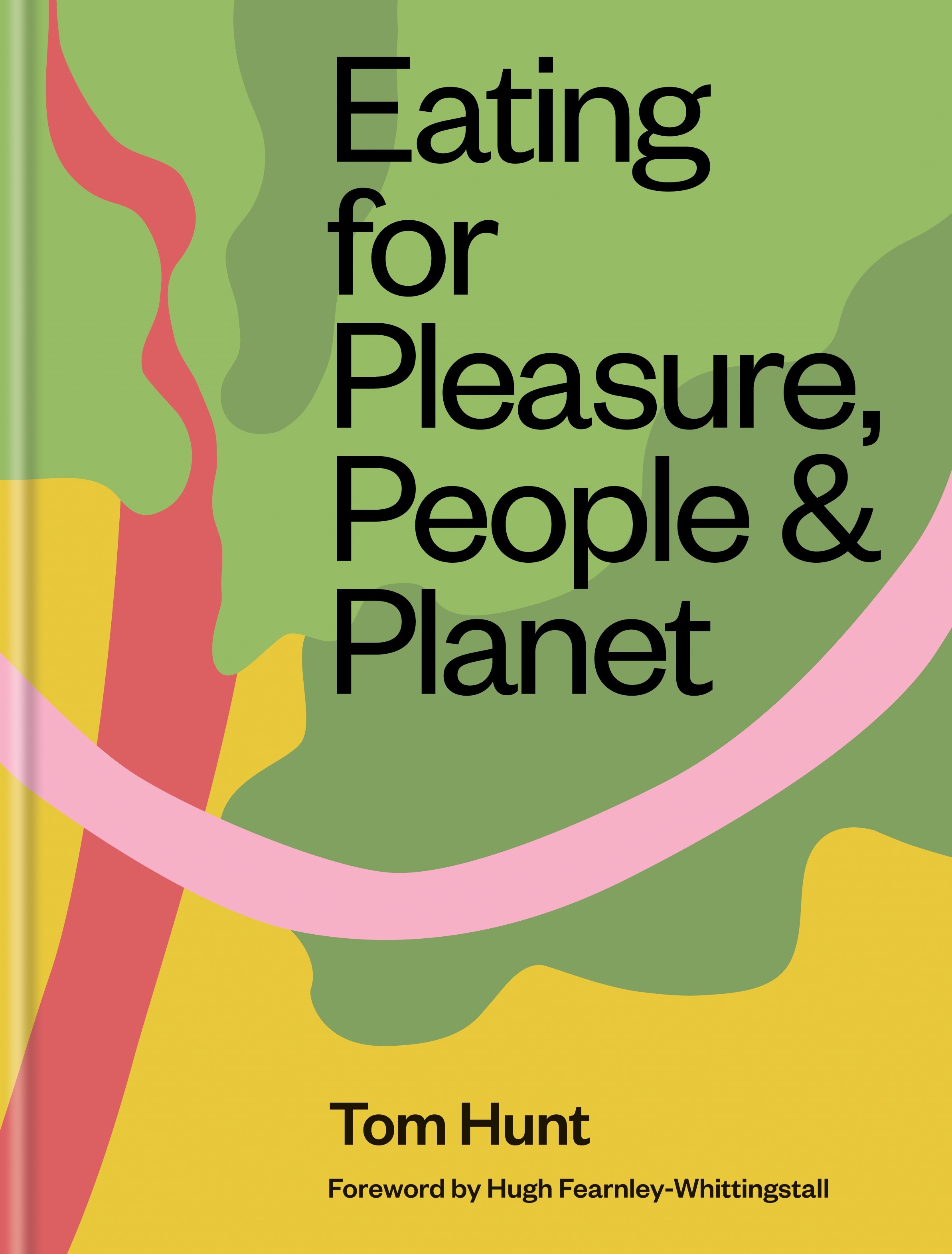
Tom Hunt’s new book is endorsed by Hugh-Fearnley Whittingstall
‘Climate and people are one and the same thing,’ says Hunt. If farmers are struggling and don’t have enough money to adapt to climate change, they will disappear. The way our global food system is set up it doesn’t support farmers, Hunt tells me, and drives our food system towards an unsustainable intensification and industrial scale processes that harm the earth and induce climate change. ‘I’ve seen it first hand,’ he says – first on a visit to Palestine with Fairtrade producer Zaytoun, then in Kenya where he visited a women’s coffee cooperative. ‘It was incredible to see the changes Fairtrade empowered people to make for themselves through giving them a safety net of a fair price, but a premium as well for the community as a whole to improve infrastructure.’
Knowing where your produce comes from is key, he says. ‘As the food chain around the world becomes ever longer and more prone to exploitation, we need to put our trust in a certification body such as the Fairtrade Foundation. Without traceability, you don’t get trust.’
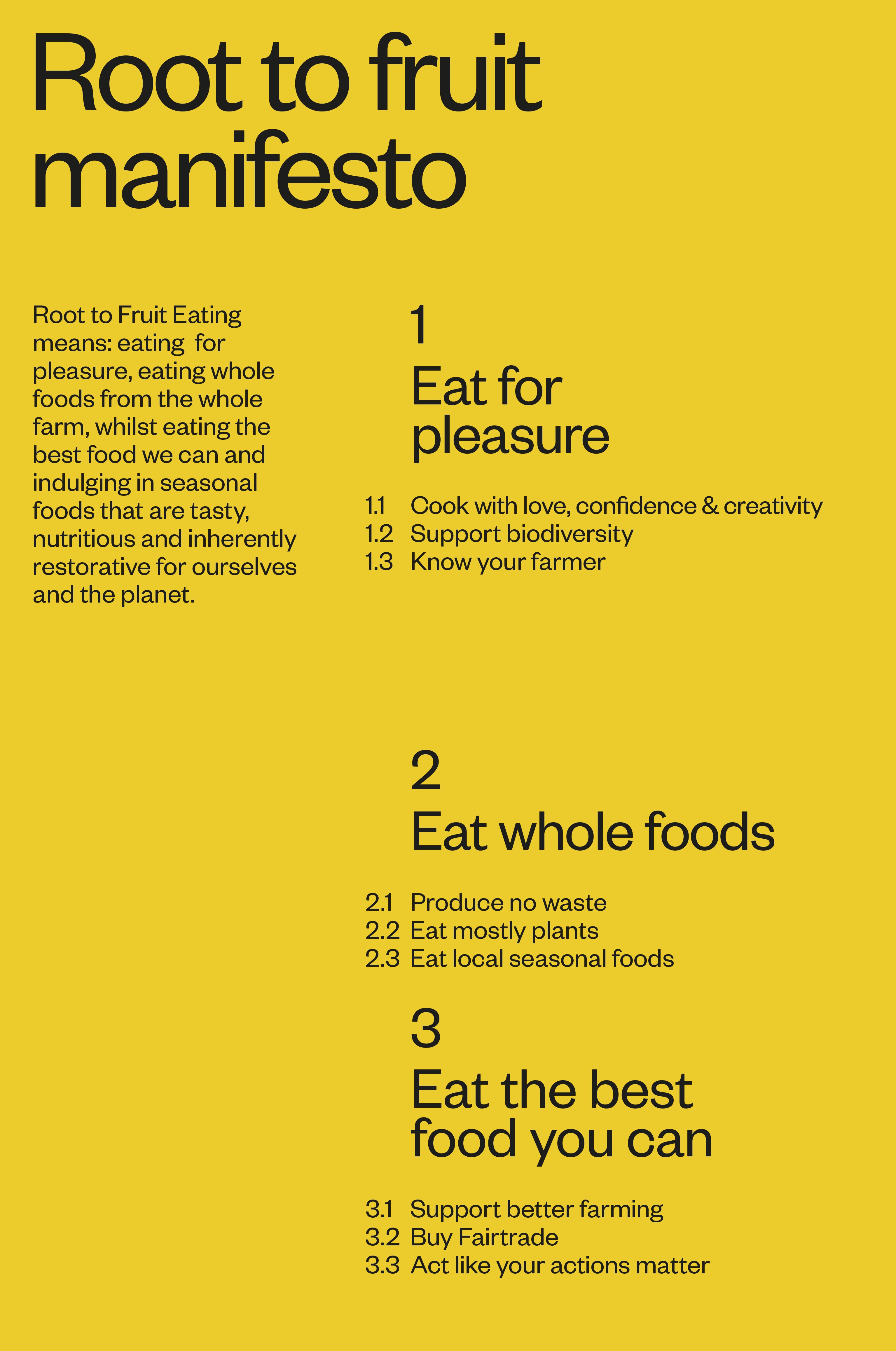
Hunt’s book is a manifesto for a climate friendly diet
Hunt recommends ensuring that you make sure the key commodities you buy, such as sugar, chocolate, coffee and …bananas, are Fairtrade. He also links food waste into the equation. By using up all your surplus food (try tasting and sniffing if something is past its sell by date rather than simply chucking it out, or freeze surplus items so you can eat them later) it will save you up 30 percent of your expenditure, which means you can use that money to support your local farmers’ market or invest in Fairtrade produce. ‘By buying local seasonal food and eating more plants you make a budget to support better produce and support farms locally around the world.’
Tom Hunt will be discussing his manifesto and how to eat for pleasure, people and planet, on Saturday March 6 at 11am, alongside Rachael Twumasi-Corson, plant enthusiast and owner of Afrocenchix, and Chris Warburton Brown, research director of the Permaculture Association.
The link to join and the full line up for the festival can be found here
To order Tom Hunt’s Regenerative Menu, order here
Eating for Pleasure, People & Planet by Tom Hunt is published by Octopus (£26).
You can buy it here