Good Things Come To Those Who Wait… The Made to Order Makers Putting The Brakes on Fast Fashion
Words Verity Elliott
Top image courtesy of Francli
Through increased awareness of the impact the fashion industry has on our planet, attitudes continue to evolve around the way we shop.
We are witnessing a rekindling of old traditions – clothes that are handmade, tailored, and built to last using responsibly sourced materials. Nowadays, with everything so readily available at the click of a button, the slow-burning gratification that comes from investing in something made to order has a special kind of appeal, one that feels nostalgic yet refreshing. When commissioning a piece especially for you, a newfound respect for your clothes, and the people that make them, is formed. Here are six companies that are worth the investment when choosing a new addition to your wardrobe.
Old Town
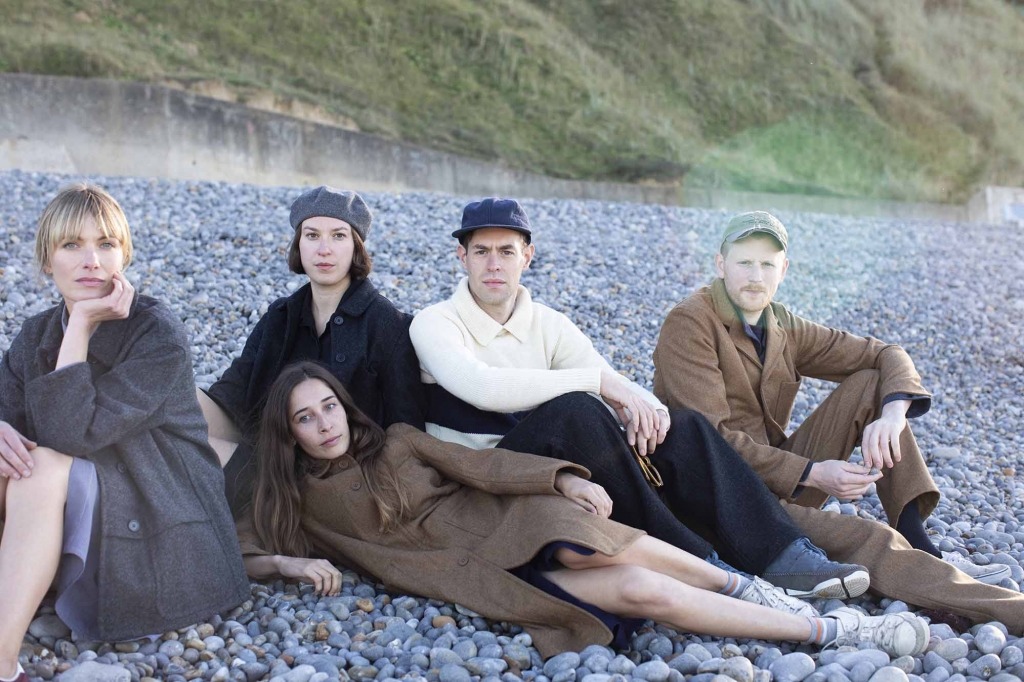
Will and Marie, founders of Old Town, could be deemed as the mavericks of the made-to-order service – they’ve been working in this capacity for almost 30 years. In 1992, a time when fashions were fast and fleeting, Old Town set out to create a simple, everyday uniform for both men and women, inspired by the costumes of the past but tailored for contemporary living. Just like a good restaurant that specialises in only a few staple dishes, Old Town works to a select range of clothing – offering a menu card type service, with the customer able to pick their chosen style’s fabric, colour and size. The process of sending out sample garments to the customer before production has rapidly reduced the number of returns that Old Town receives. Any queries around waist size or trouser length can be solved before committing to creating – another triumph in a reduction of waste. Items are then individually cut, sewn and finished from their workshop before being sent out by post. Each member of their small team, based in the town of Holt, Norfolk, plays a part in the production of each piece – creating clothes to be cherished and worn time and time again.
Yetton
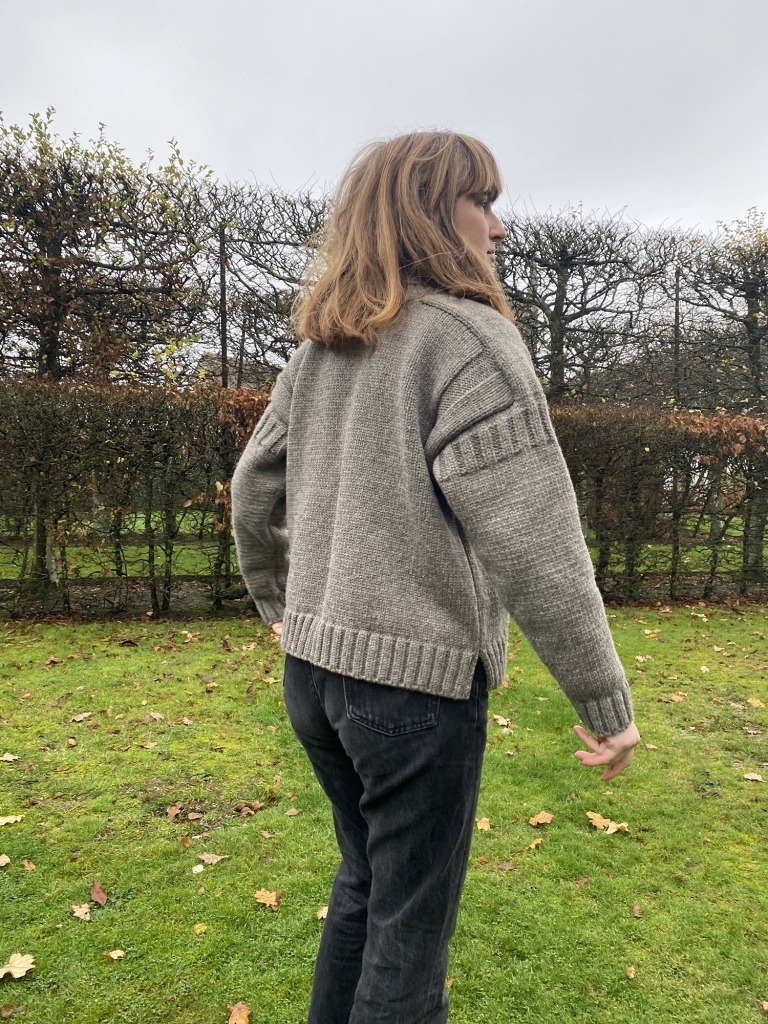
Social media has its downsides, but it also has the wonderful ability to connect people to undiscovered small businesses and makers. Instagram is where you’ll find Yetton Knitwear; a small business creating jumpers, vests, scarves and balaclavas through a made to order service.
Selecting from a colour palette of British wools, sending your exact measurements and specific requirements – all through DM’s – can get you a warm, sturdy and classic fisherman’s jumper, lovingly made by hand by one woman and her industrial sewing machine in her studio in East Sussex.
It was the environmental impact that drew Yetton’s founder Rachel Littlechild to creating knitwear that is made to order.‘The thought of the number of clothes going to landfill straight from the factory or via the consumer as a result of fast fashion fills me with sadness,’ she says. ‘Creating little to no waste of both material and product is a key factor in why I work at this capacity.’ But as time has gone by since launching her small line of knits, it’s that close customer contact that has kept her driven, tailoring a piece to their specific needs and taste.‘It feels so good to give someone exactly what they want so the garment gets a lot of use. I really like to think that my jumpers and other pieces will be treasured, kept as hand-me-downs, sticking around for decades before eventually biodegrading when they’ve really had their run.’
Cawley Studio
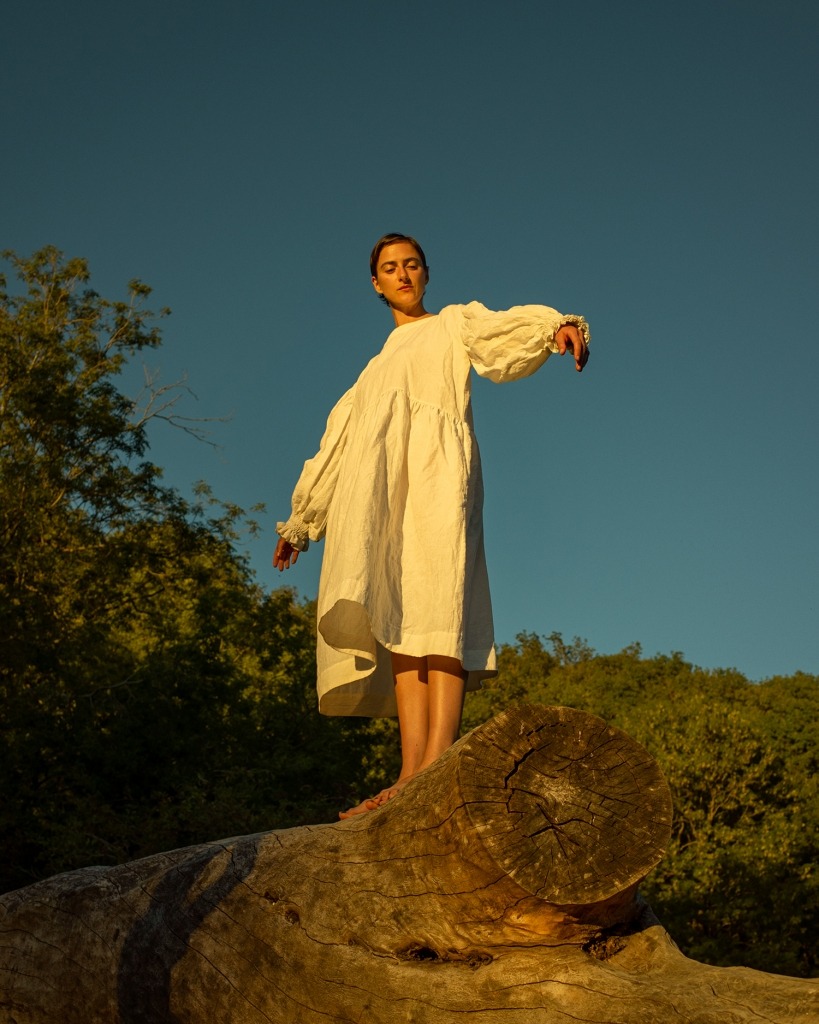
Launched in 2017, Cawley Studio is the perfect antidote to those looking for fashion-conscious clothing that doesn’t harm the planet in its process. Cut and made by hand in London, Cawley Studio uses responsibly sourced, natural cloth from traditional fabric mills to make luxury, high-quality clothing with craftsmanship and sustainability at its core. The trans-seasonal garments are functional and timeless, and built to last.
With a positive surge of new fashion brands adopting a more eco-friendly approach to manufacturing, what makes Cawley Studio a cut above the rest is their made-to-order service.
‘Less waste and less mass-produced clothing is something that we are passionate about,’ says Hannah Cawley, founder of the brand. Since launching their made-to-order service, Cawley feels they have formed a greater relationship with the brand’s customers. ‘Creating bespoke pieces and making garments to measure allows for a more personal dialogue, opening up conversations regarding feedback, which is very important to us.’
cawleystudio.com/made-to-order
Faith-Rowan Leeves
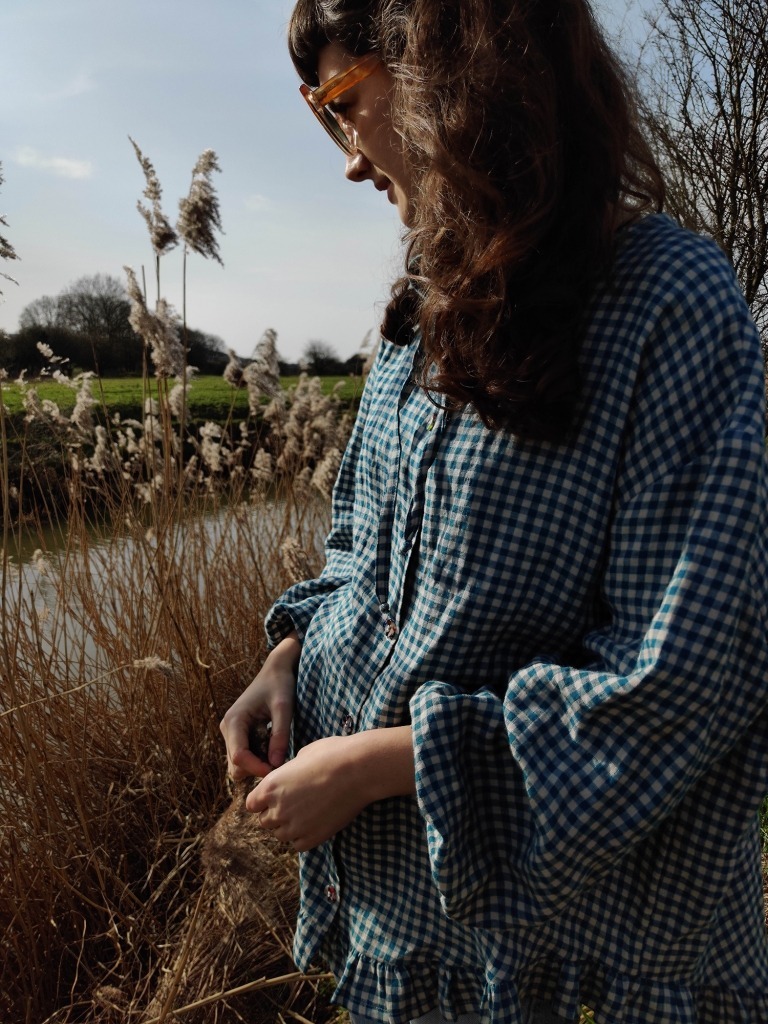
Faith-Rowan Leeves designs clothes that are destined to be loved and worn forever. Using deadstock fabrics to bring her signature designs to life, Leeves’ dresses and shirts help in saving fabric from ending up needlessly in landfill – another eco bonus to be had when ordering from her small business.
‘Made to order works so well because it reduces waste, customers get something made especially for them – including any alterations for height and preference,’ says Leeves. Using this approach also offers Leeves the opportunity to create custom designs as well as offering customers to provide their own fabrics if so desired.
The demand for a Faith-Rowan Leeves creation is on the rise, with her weekly 20 garment limit regularly selling out in the blink… With a lead time of 20 days from placing your order to receiving it, it goes to show that an instant fashion fix is no longer the desired approach.
Francli
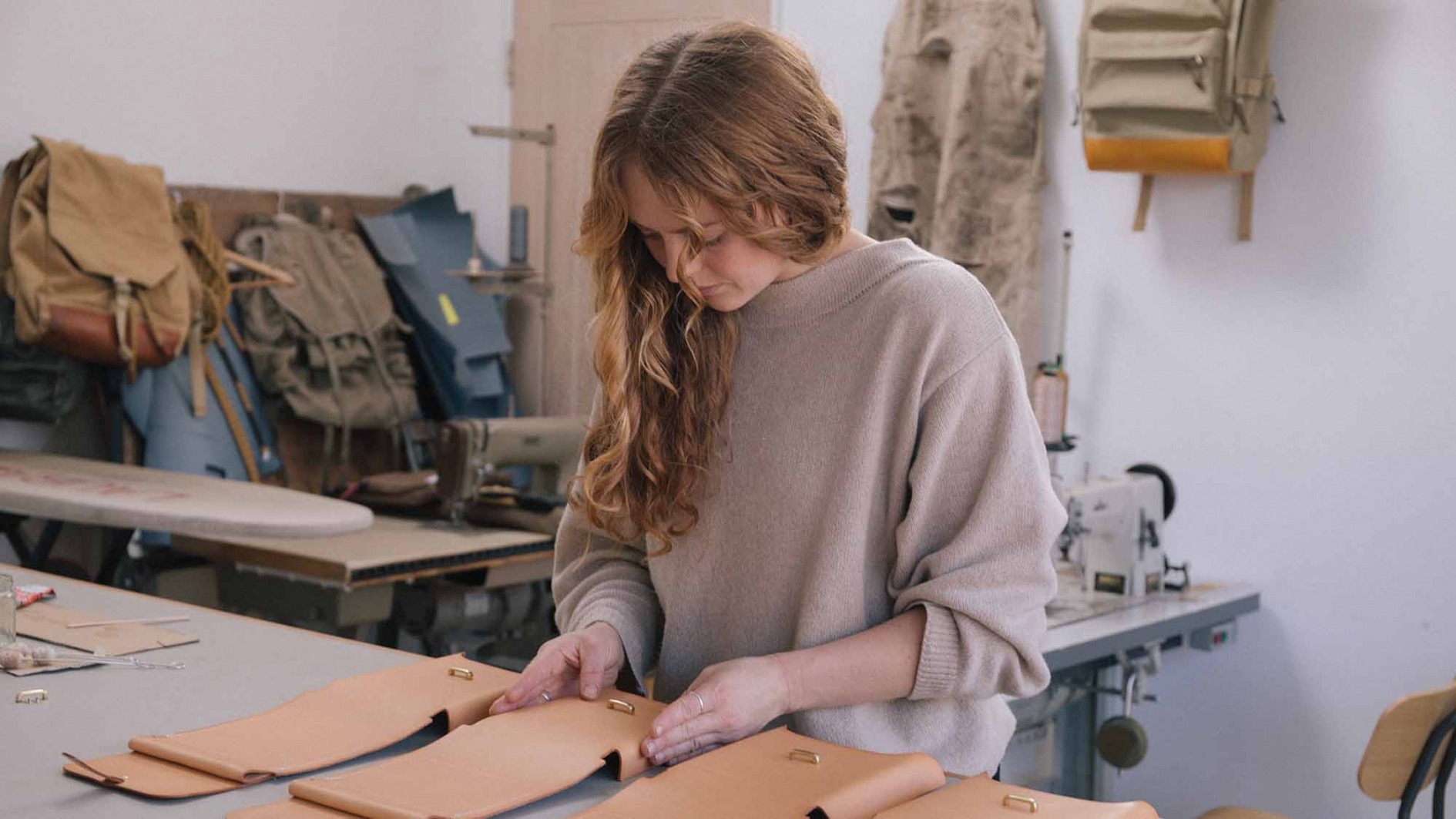
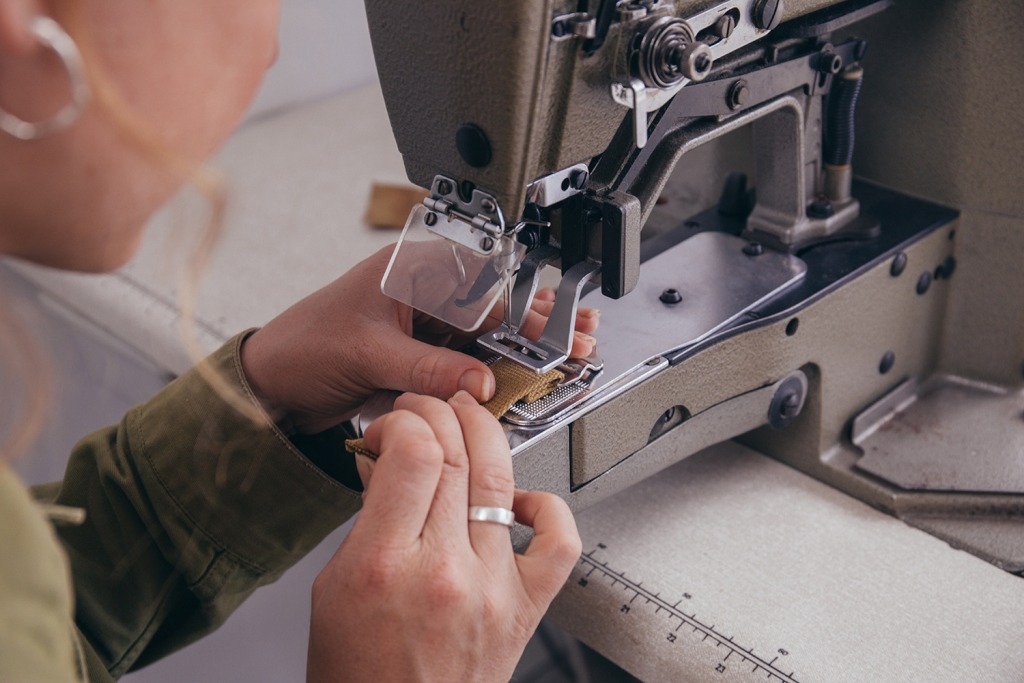
Based in rural Cornwall, Francli Craftwear has been producing slow-made small-batch goods since launching in 2013, using repurposed materials to hand make each piece. Taking one step further in the reduction of waste or ‘deadstock’, Francli now offers a bespoke service of rucksacks, built with the individual’s input and with their needs in mind. That initial conversation with the customer is why made to order is now such an integral part of the business for Francli. ‘I love it as a form of producing because it offers a closer connection to my customers,’ says founding member of the brand Ali Goodman. ‘There’s a level of exchange that you don’t get from buying off-the-peg. It feels more equal. I appreciate the trust from my clients that I will fulfil the expectations of their commission, and they get to share in the process and watch it come together with me. Orsola De Castro is right – “loved clothes last”. A connection with something is made, and who has made it, hopefully, sets it up well for a long and cared for life.’The made-to-order element of the business is expanding, with Francli developing a limited-edition potter’s apron, tried and tested by Leach pottery, as well as fulfilling orders of leather goods for TOAST, in conjunction with the launch of its small selection of made to order products, helping to pave the way for other large companies in the war against fast fashion.
LaneFortyfive
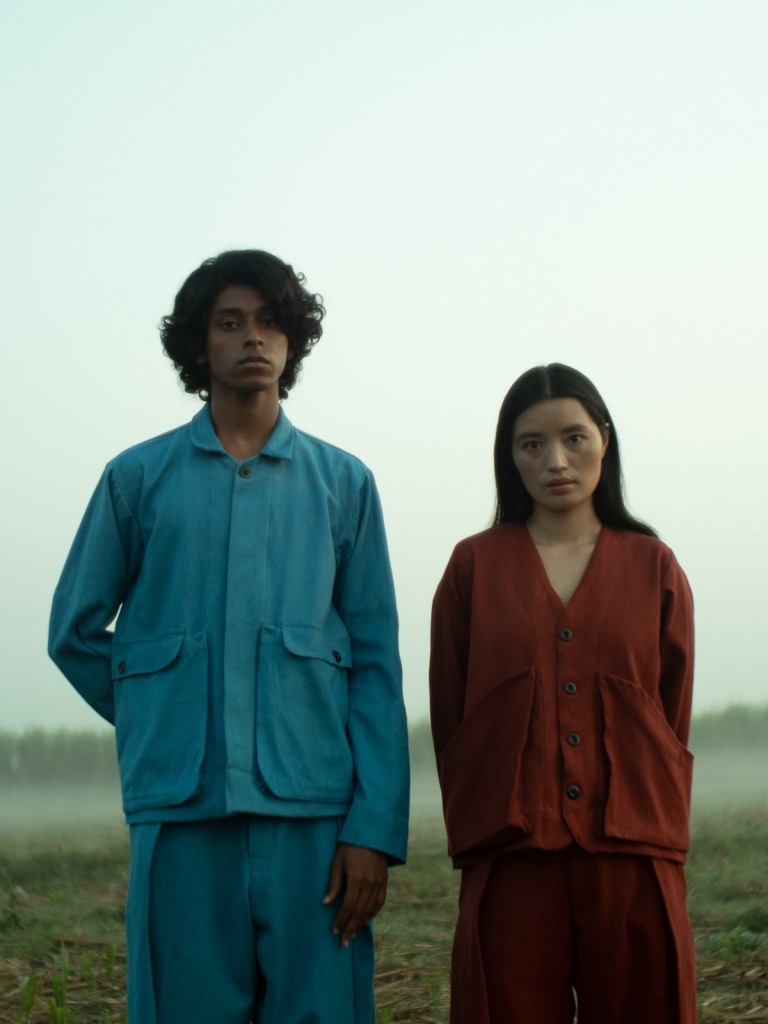
Searching for a creative pursuit away from his previous role in corporate finance, Tan Saxena embarked on a self-taught journey, learning how to pattern cut and sew. Being a total novice in the fashion industry and learning everything to know along the way, Saxena discovered the ugly side of the industry – one that was ‘materially, logistically, and emotionally unsustainable,’ he says. ‘What hit me the most was the ever-ready acceptance of wastage of human and natural resources as a bi-product of the way the industry runs.’ From this, LaneFortyfive and its made-to-order service was born, creating a small brand that could be sustainable right from the beginning. The unisex clothing is created by hand to the customer’s specifications, which Tan Saxena believes creates a wholesome and organic relationship with the clothes, encourages a slower way of living and a respect for both garment and craftsman. Working as a reforestation partner with the organisation One Tree Planted,sustainability doesn’t end in how LaneFortyfive produces its clothes – before an order is completed, the brand calculates and plants a number of trees to neutralise the carbon released in the making of that garment, combating the carbon footprint before it has even taken a step.