New Designers Class of 21
Words Tamsin Blanchard
Photographs courtesy of New Designers
New Designers showcases the creativity and diversity of design graduates around the country. It’s a highlight for so many within the creative industries as a place to spot new talent and discover new ideas.
We spent some time exploring the portfolios of the Class of 21 online and were impressed by the quality of the work, particularly after a year when so many students haven’t had access to studios and technicians. You can check out this year’s winners here…
Check out the New Designers exhibition online until July 10.
We highly recommend taking a look at what’s inspiring the makers, thinkers and designers of the future. Here are some of the graduates who particularly caught our eye at Hole & Corner:
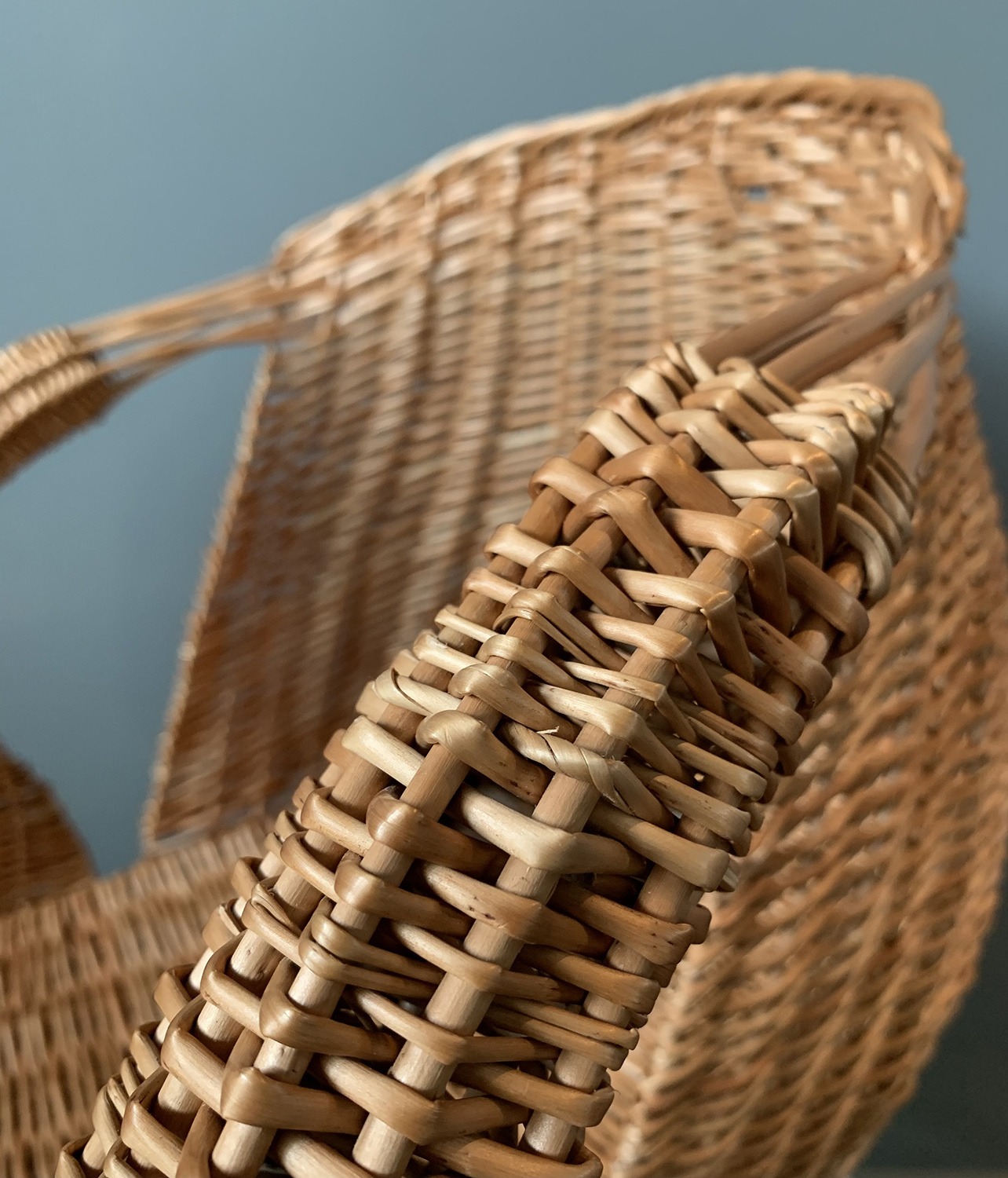
Willow weaving, Simon Redstone
University of Staffordshire: 3D Designer Maker
Simon Redstone
Emerging from a deep and developed immersive experience in the traditional craft of willow weaving, Simon’s collection of work beautifully combines traditional skill with contemporary craft while drawing inspiration from the heritage of the traditional coppice workers who first instigated the forms of the Windsor chair.
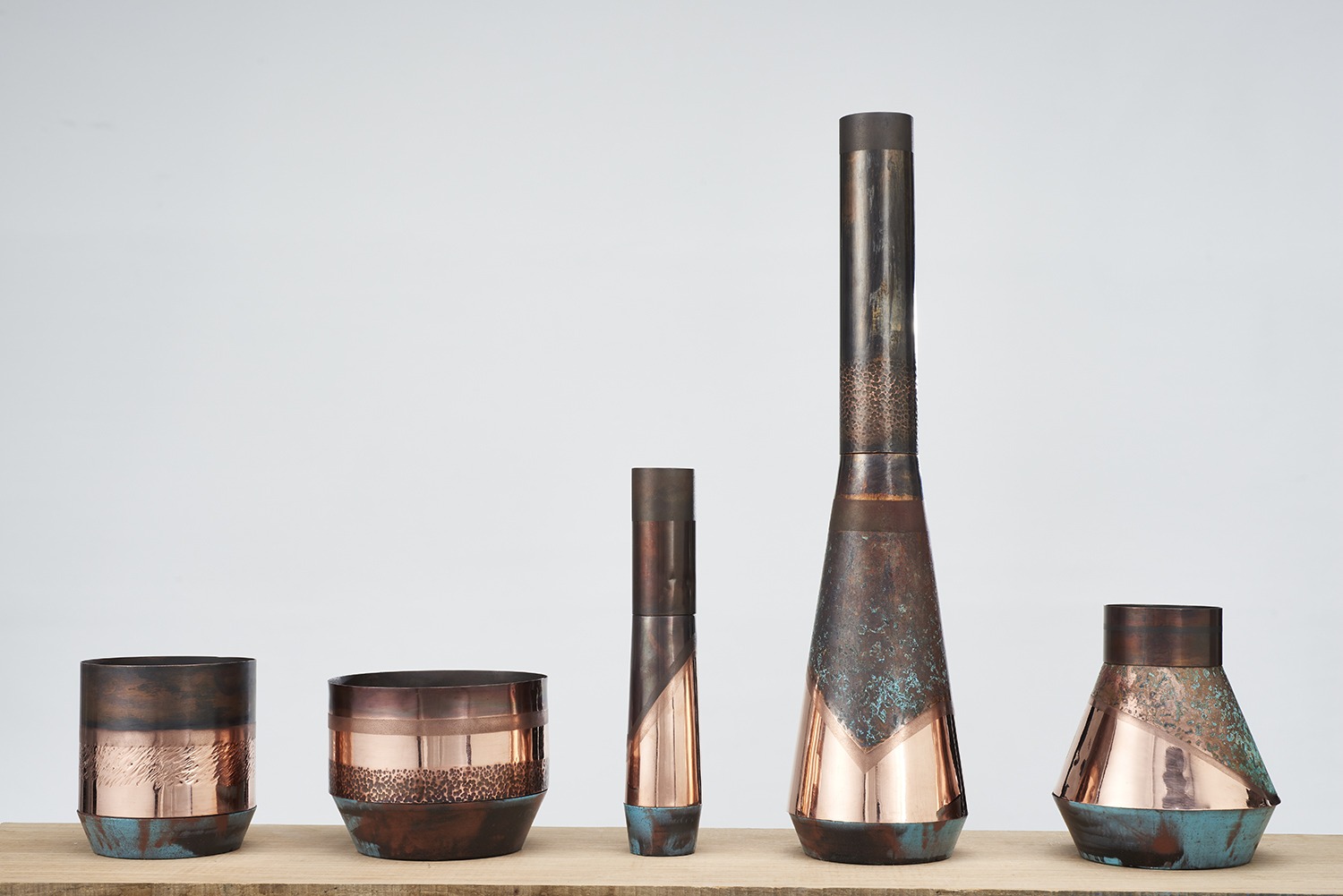
Vessels, Chloe Webster
Staffordshire University: 3D Designer Maker
Chloe Webster
Webster’s passion for metal and jewellery was founded by her own fascination with personal expression. Webster has always been fascinated by how people dress and what accessories they wear. Her work expresses her creativity through the medium of metal, using a wide range of techniques such as hammering, casting, oxidising and etching. Due to the process being handcrafted while using random effects, all of her work is unique, with its own personality. Her series of five vessels is inspired by the industrial skyline of the Potteries, each decorated and shaped to evoke the visual of and pay tribute to her home through the medium of metalwork.
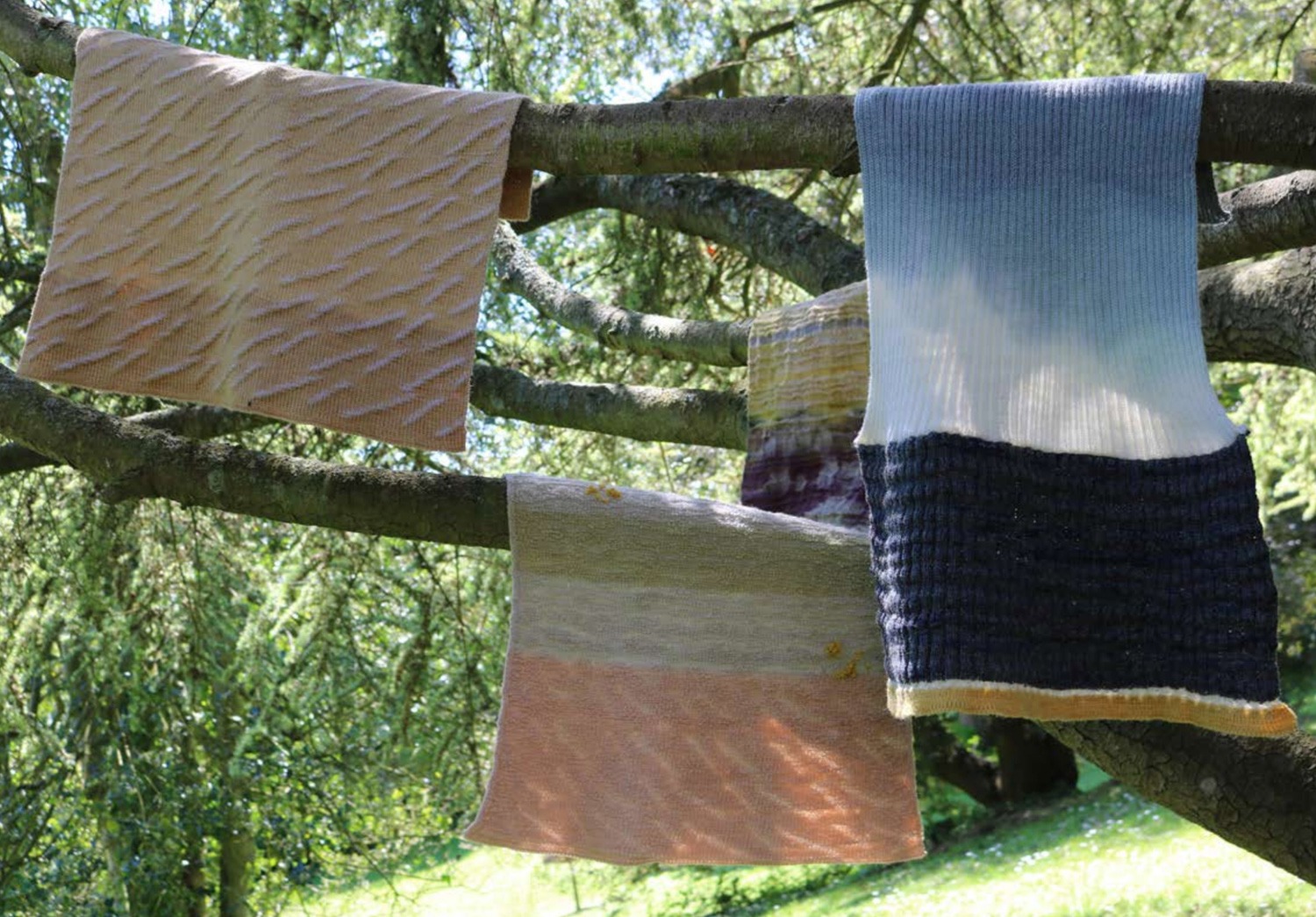
Stepping Stones collection, Olivia Dunn
Bath Spa University
Olivia Dunn
Stepping Stones collection
‘Stepping Stones draws inspiration from geological forms with a focus on caves and rock formations; The locations are close to myself and my family, which brings comfort. I enjoy the rich colours and textures in these landscapes. This project serves to create a platform, bridging the gap between study and professional life, and reflecting upon the steps I have taken thus far.’
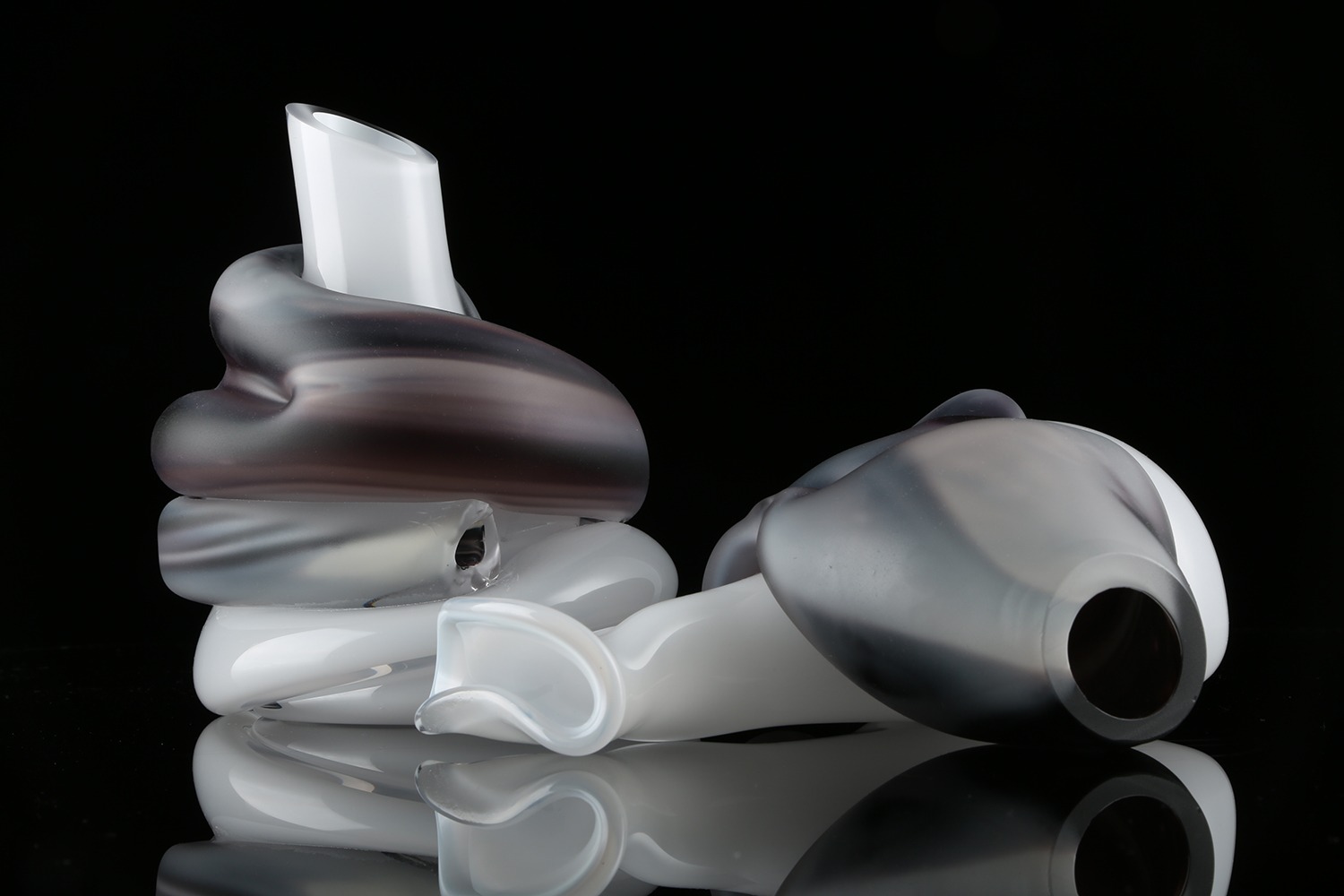
Catharsis, Erica Poyser
De Montfort University Design: Crafts
Erica Poyser
Catharsis
A 2020 UK summer survey reported by Young Minds resulted in 80% of respondents agreeing that the Coronavirus pandemic had adversely affected their mental health. Erica Poyser’s collection of glass pieces represents the overwhelming emotions many have tackled alone over the past year. Hopefully representing those emotions in a physical form can bring a cathartic feeling as people can relate her art to their own emotions from the past year.
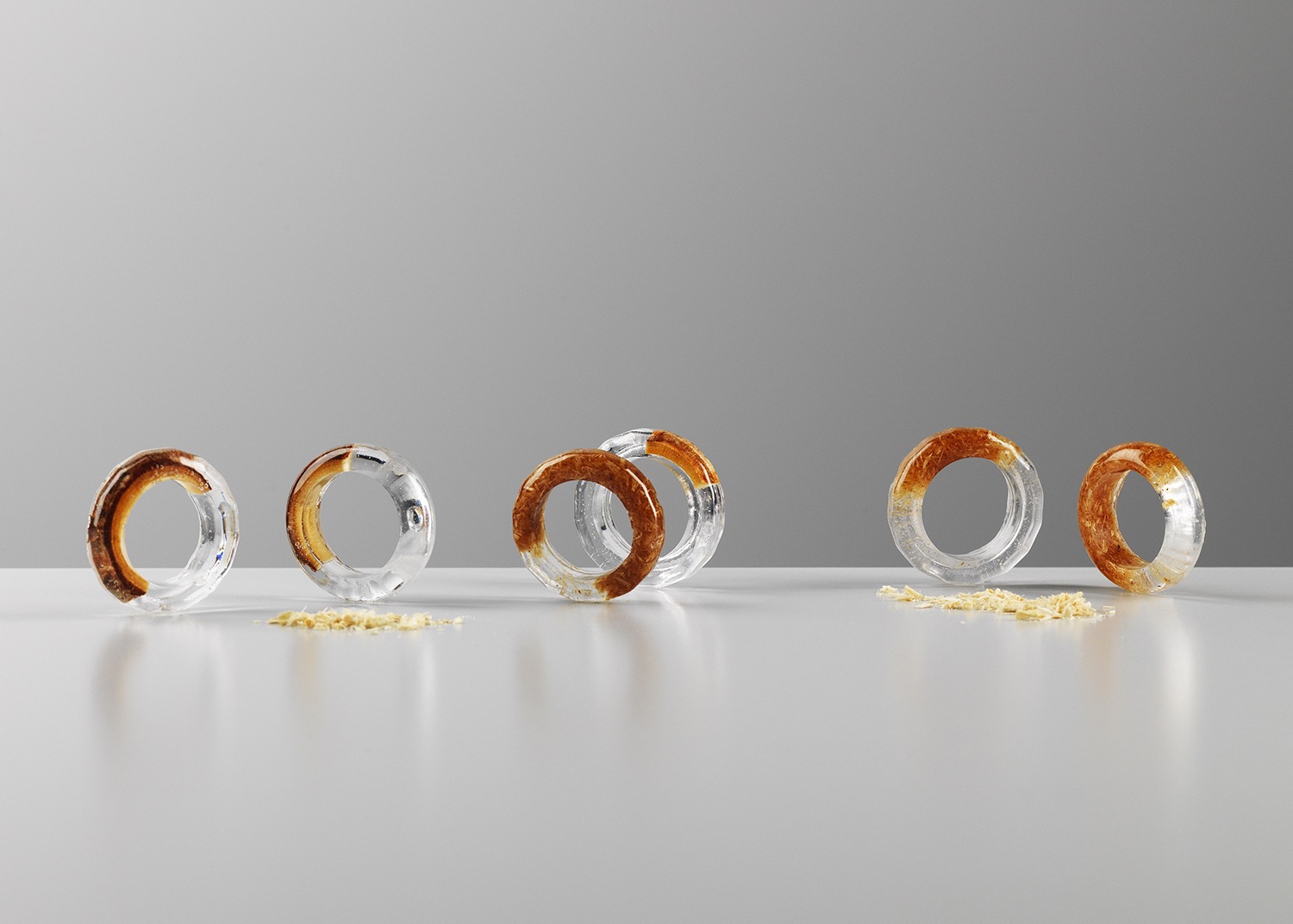
Lost Wood, Kunning Ding | Photograph Shannon Tofts
Edinburgh College of Art: Jewellery & Silversmithing
Kunning Ding
Lost Wood
‘My works are inspired by the changes and unchanging things around, and they are sometimes presented in a process. My work usually starts with observation, and finds the relatively constant things in the changing life from day to day. The shape and texture come from my observation and reflection on the surrounding environment and life. I work with precious metals and also with materials within reach, such as waste wood, with which I explore the materiality and material relationships.
‘The objects of this series focus on the material itself, trying to express the conversion and conservation between different forms of wood. When one thing gradually disappears until it dies, there will always be another thing growing. I hope to use one material to express this sense of balance between growth and death, rebirth and old age.’
Material: Wood, Wood dust, Resin
Size: 1.5cm*1.2cm
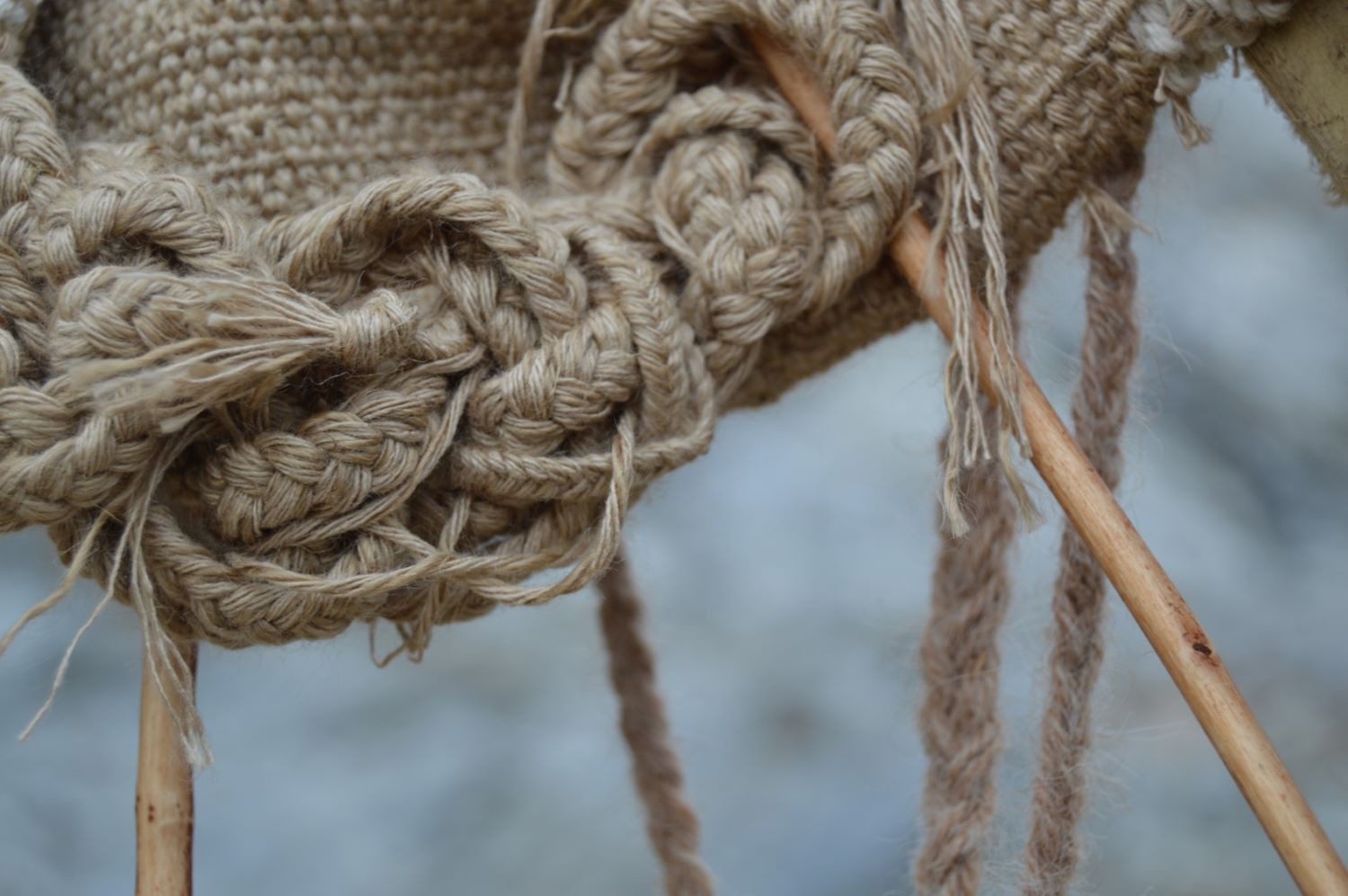
Chasing Words-2, Elinor Dobell
Falmouth University: Textiles
Elinor Dobell
Chasing Words-2
‘A close up of my textile concoction of which translates the uplifting potential of forgotten arts. I focus on the parallel between letter writing and basket weaving techniques, of which proclaim the legitimacy of the hand in making. The hand has the power to make oneself and others feel much more connected as a community, in contrast to creation through technology.’
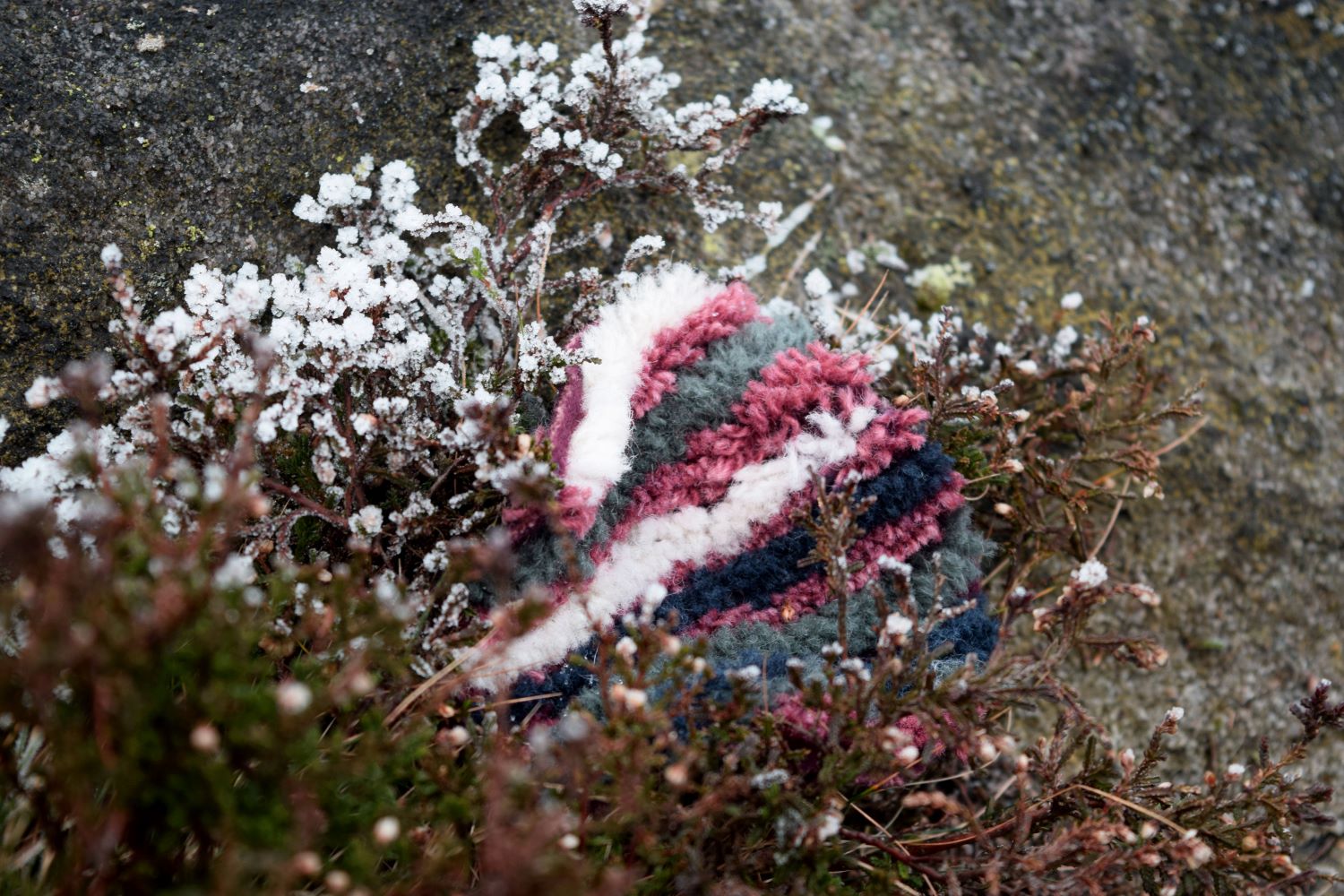
Dark and White – Outcrops, Rebecca Young
Falmouth University: Textiles
Rebecca Young
Dark and White – Outcrops
I was born in Derbyshire. As was my father, his mother, his grandmother, and ancestors going back over 500 years.
Much of my family live in the High Peak, in a small town called Chapel-en-le-Frith, a historically significant place because of its church, which it is named for, and its title, “Capital of the Peak”.
I wanted to do a collection of work inspired by my family history to showcase the small details of life that can so easily be missed, from the slag heaps left from quarrying and kilns, to the slight feelings of uncertainty as you walk through a graveyard.
The importance of creating a collection of work inspired by my history and that of the High Peak and the Peak District was highlighted to me with the first lockdown of the pandemic, and how it was so close and yet so far for me to spend time in. This made me appreciate just how connected I feel to the landscape, and how it should be celebrated for its history, not just its natural beauty.
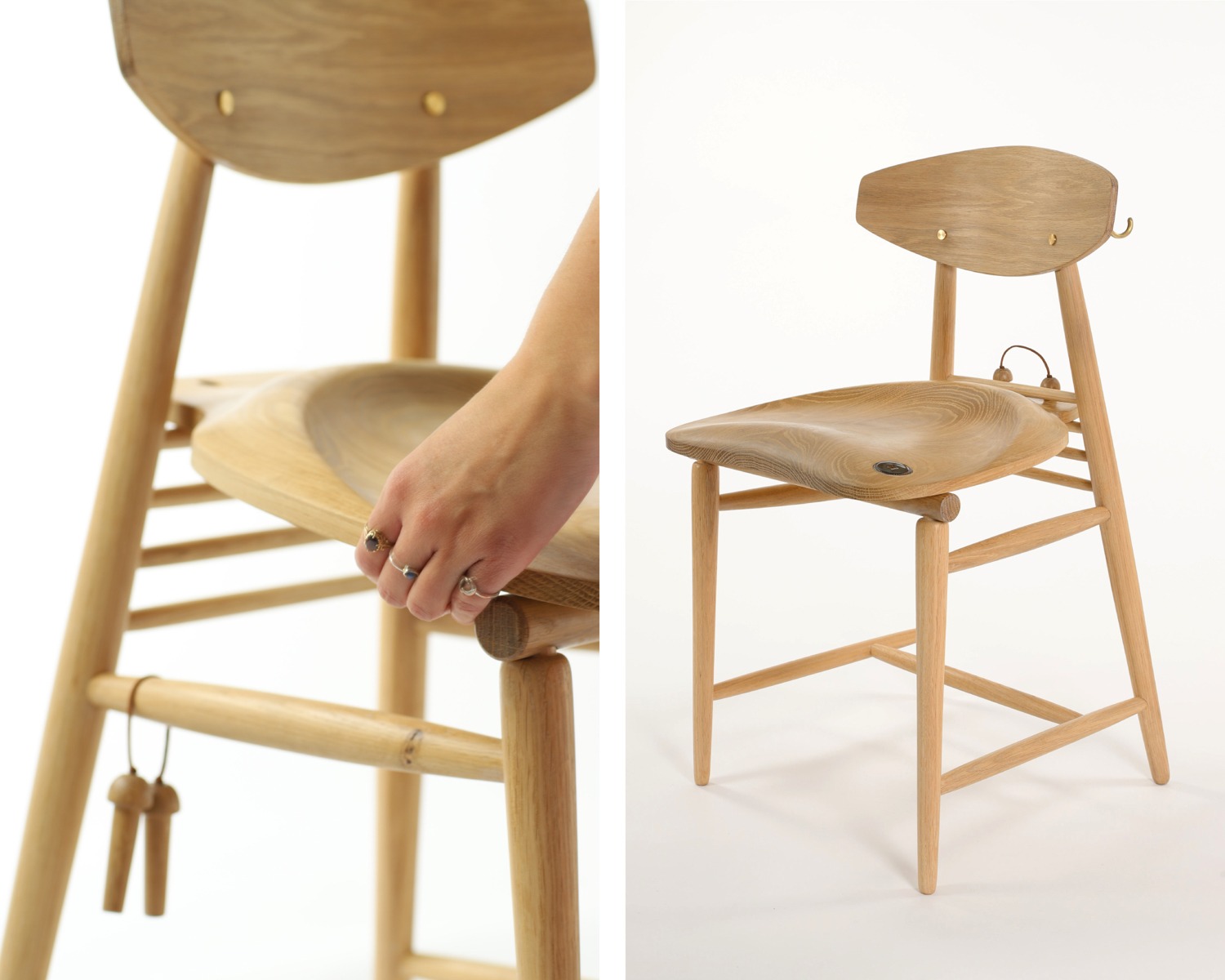
The Potter’s Chair, Darcy Eloise Hill
Nottingham Trent
Darcy Eloise Hill
The Potter’s Chair
The Potter’s Chair is a chair for makers. After delving into pottery during her placement year (and during lockdown) Darcy Hill decided to combine her new skillset with furniture design. The main function of this chair is to work alongside a potter’s wheel. The seat and frame are not connected, enabling the seat to be positioned at different tilts, allowing the potter to sit in a better position when throwing. The seat is made from oak, and each strut of the frame is turned, while the backrest is laminated, with small brass features and a ceramic coin, which allows the potter to put their own maker’s mark on the chair. The organic-shaped seat has been cut on the CNC, and finished with white oil, which brings out its grain in a beautifully subtle way.