The atelier on top of the world
Interview Meena Sears
Photographs Nikki McClarron
The first yak khullu atelier in the Tibetan Plateau, Norlha was founded by Kim and Dechen Yeshi in 2007 in the nomad settlement of Ritoma village. Norlha’s 130 indigenous craftspeople have spun, woven and felted for generations and, by combining their ancient skills and traditional tools with modern technology imported from India and Nepal, its artisans create sustainable luxury products inspired by and in harmony with their natural surroundings, while supporting the local community. We spoke to the mother-and-daughter Yeshi team about their workshop on the roof of the world.
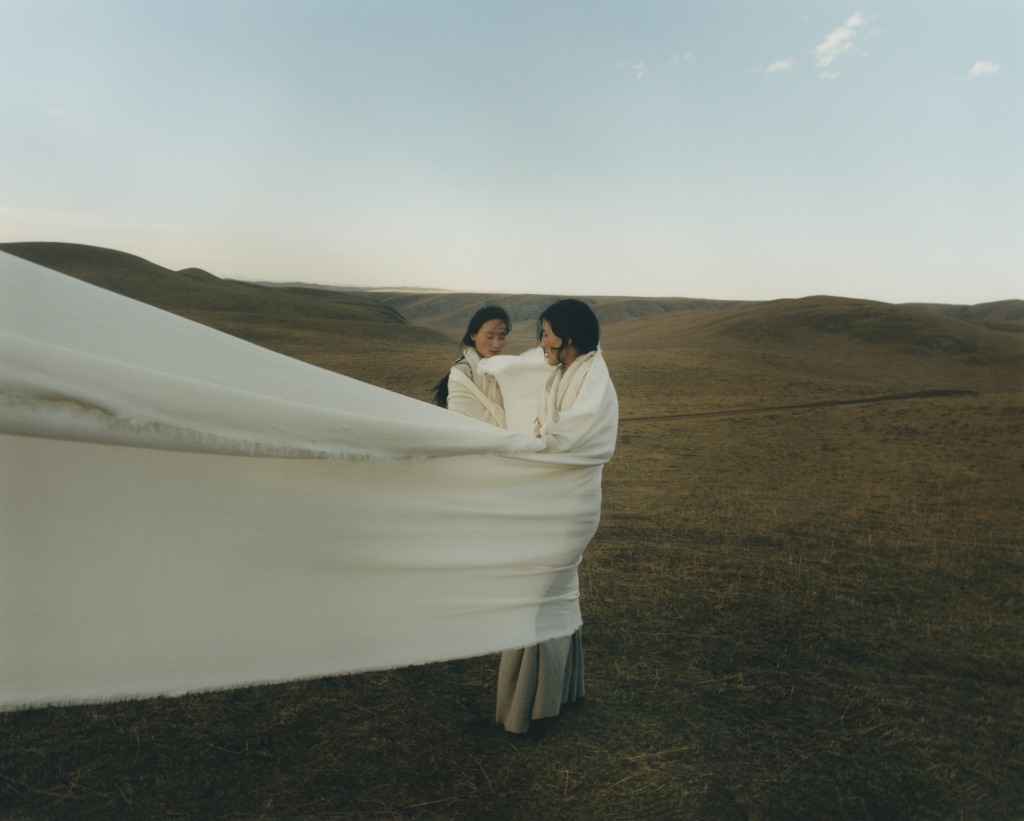
Can you tell us about Ritoma Village, how you came across it, and how you work with the local community? Why is it important to maintain a happy and empowered workforce and how do you ensure this?
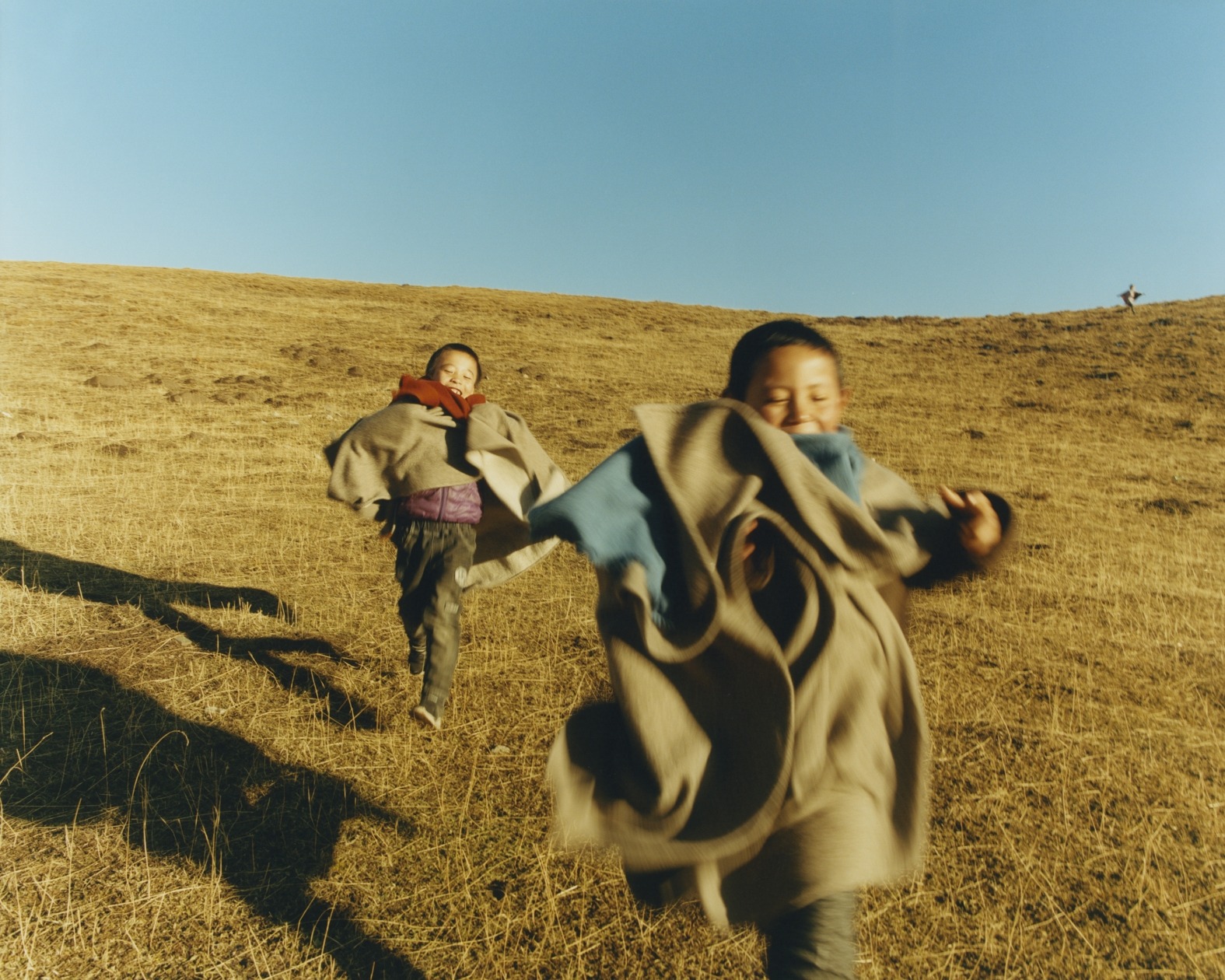
We chose Ritoma mainly for the following reasons. We knew people who had family in Ritoma, which made it more accessible. It was composed entirely of pastoralists, close in spirit and livelihood to the yak, it had the right balance between access and tradition; traditional, but not too much, only 23km from the nearest town, which gave us access to supplies and services. We knew that some families had too few animals to sustain themselves without migrating for work, and would welcome a steady income in their own village, which they did.
Maintaining a happy workforce is essential when you make a high-end product. One needs to invest in training, and it is in the interest of the company that the employees value their job and stay as long as possible. The most important element is satisfaction with pay, always insuring that what we offer is more advantageous than jobs that involve migration. The second is giving a feeling of community, with a caring atmosphere, a comfortable workspace that is adequately heated in winter, and some perks like including breakfast and lunch. When an employee values a job, they do what is required of them with gusto, and take pride in what they do and feel rewarded when they see their products are sought after in the cities and the world at large. They also feel that what they make is valuable, and invest in buying their products themselves, adding them into their traditional wear.
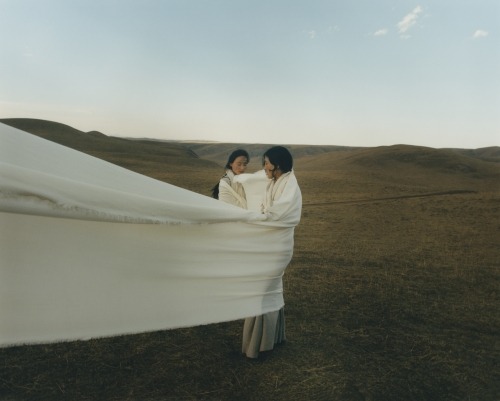
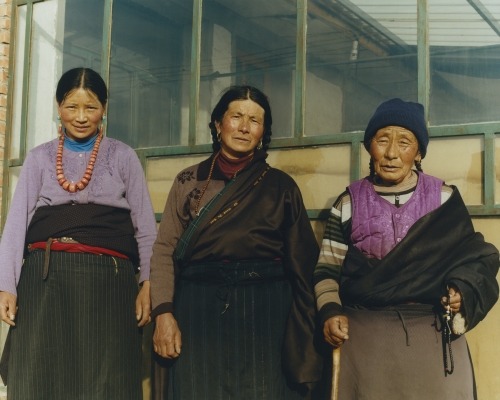
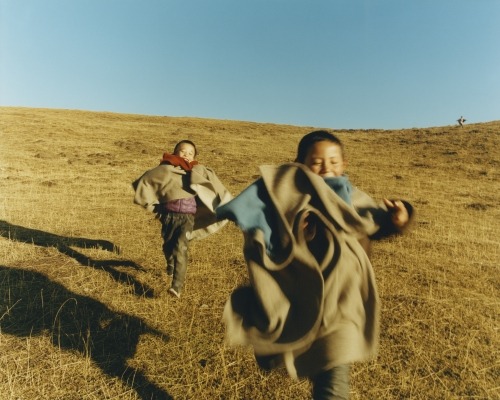
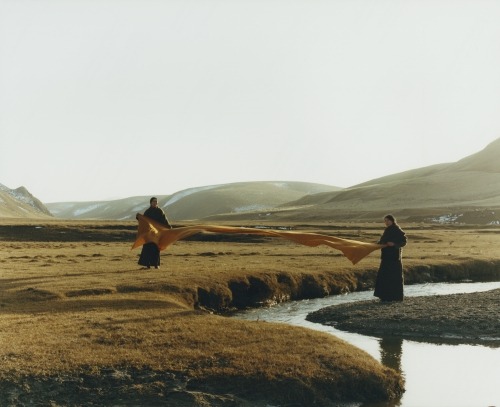
How do you combine traditional craft with modern technology?
Pastoralism is a livelihood that involves constant work around the animals, with little time to develop high level crafts the way farming communities have, with time to spin and weave only during the winter months. In Ritoma, as in other pastoralist areas, craftmanship was limited to making the objects of their everyday life; felted mats, rough sheep-wool blankets for drying cheese, ropes, etc. Spinning was done with drop spindles and weaving on a narrow, backstrap loom. In order to increase efficiency, we decided to import charka spinning wheels, used in India for centuries to spin cotton, and flying shuttle looms from Indian and Nepal. This is what we referred to as intermediate technology, introduced in Europe in the 18th century and sent over to India at the beginning of the Industrial Revolution. It was eminently suited to a village context, being fast, efficient, and allowing great variety and flexibility. We discovered that our new employees all had a natural disposition for spinning, weaving and felting and quickly developed a high level of skill with the new techniques we introduced. In the felting area, we combined traditional handwork with modern machines to ensure uniformity and efficiency.
How do you ensure your products don’t have a negative effect on the environment?
Most of our processes, spindles, looms and hand-felting process don’t require electricity. We don’t require chemicals and the washing process is minimal. In general terms, our footprint on the environment is very small.
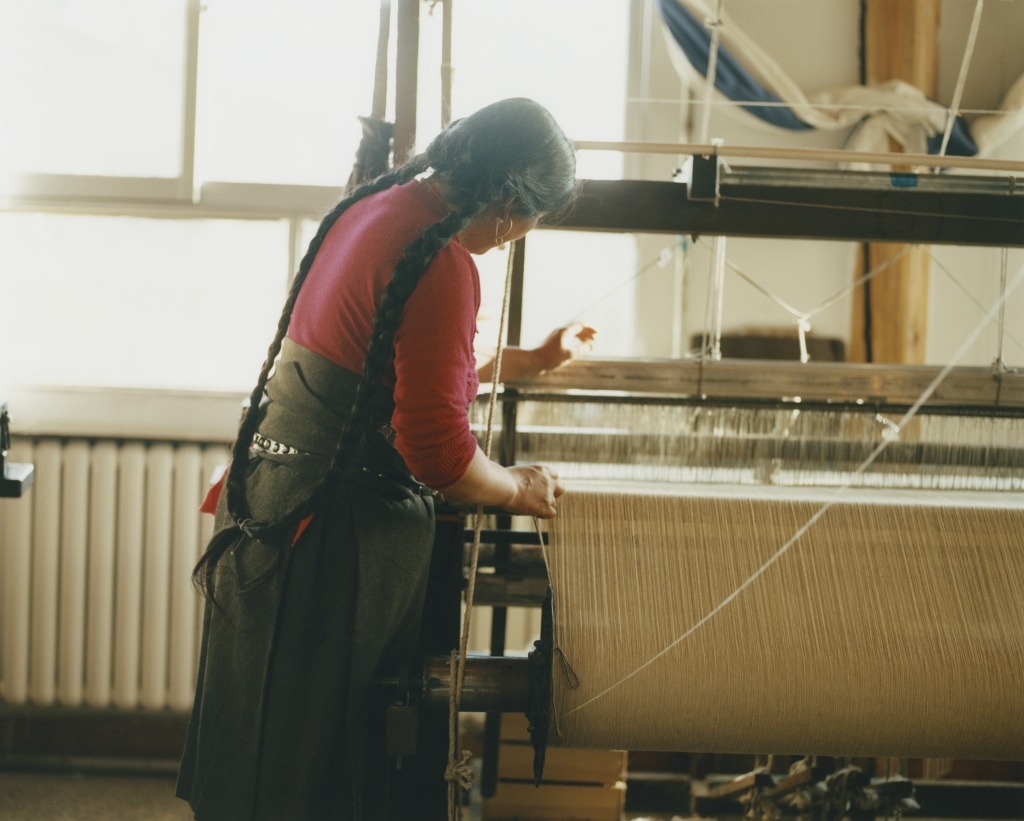
Photograph Nikki McClarron
How has the Tibetan / Buddhist way of life inspired you, or your work?
The Buddhist principle that has most inspired us and defines our work is that of giving: more particularly, giving precedence to giving people a means of sustaining themselves in their own environments and culture. It is that of patience, of being willing to wait for the business to be profitable in order to establish all the prerequisites required to achieve this goal. These are, training people and setting up an infrastructure in a remote area that offers no facilities or precedents. Giving in our case is putting this first and building a business that encompasses these features in its DNA.
It is also about giving people whose lives have been centered on the yak for centuries the possibility of moving away from herding while still remaining close to the yak, through learning new skills and innovative thinking. In this way, the yak and its surrounding community become a way to be part of the modern world and economy while retaining their culture and identity.
What makes Yak khullu so special?
Yak khullu is the dense undercoat that keeps the yak warm in the intensely cold winter months. It is extremely soft and warm, and when woven or felted into products is long lasting, pills minimally and retains its shape. Each year, the yak moults when its protective layer is no longer needed, a gift to us, one that can be taken without violence or guilt.
What is your favourite festival / cultural event in Ritoma Village?
My favorite festival is the Chokhor, which takes place at the onset of winter, just before the pastoralists bring their animals from the higher area to the winder grazing closer to their winter dwellings. It involves blessing the area that encompasses the winter pasture, a circuit of about 10 kilometers, by circling it on horseback, a man from each clan carrying a volume of the Kangyur, a sacred Buddhist text which has 108 volumes in total, strapped to their backs. It is very beautiful to watch; first the horsemen, at least 30 of them, stop by the monastery to collect the volumes, then ride off, including the sacred Amnye Tongra, the highest peak in Ritoma, on their passage. One can see them approaching from afar, before reaching the village and tethering their horses outside the monastery, where they dismount to return the borrowed volumes. This ritual is meant to keep the area free from disease for both men and animals and insure them a trouble-free winter.
How does the Tibetan landscape inform your designs?
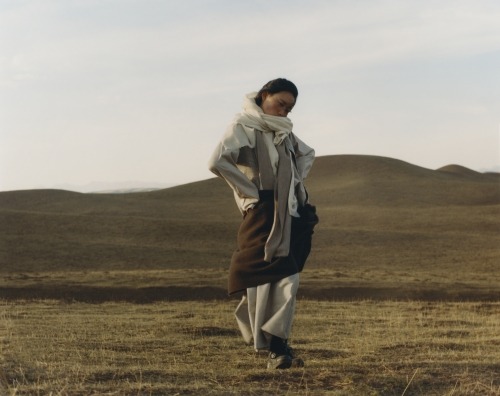
Norlha Atelier is situated on the pasture, where each season brings out new colour palettes. Intense hues of green and blue, and the pinks, blue and purples of the wild flowers that cover the pasture in summer, greys, ochre and browns in the spring, white, gold and blue in winter and in the autumn, the fading greens and russets of waning flora.
The environment inspires functionality and simplicity in design, integrating the surrounded elements into the core of our products.
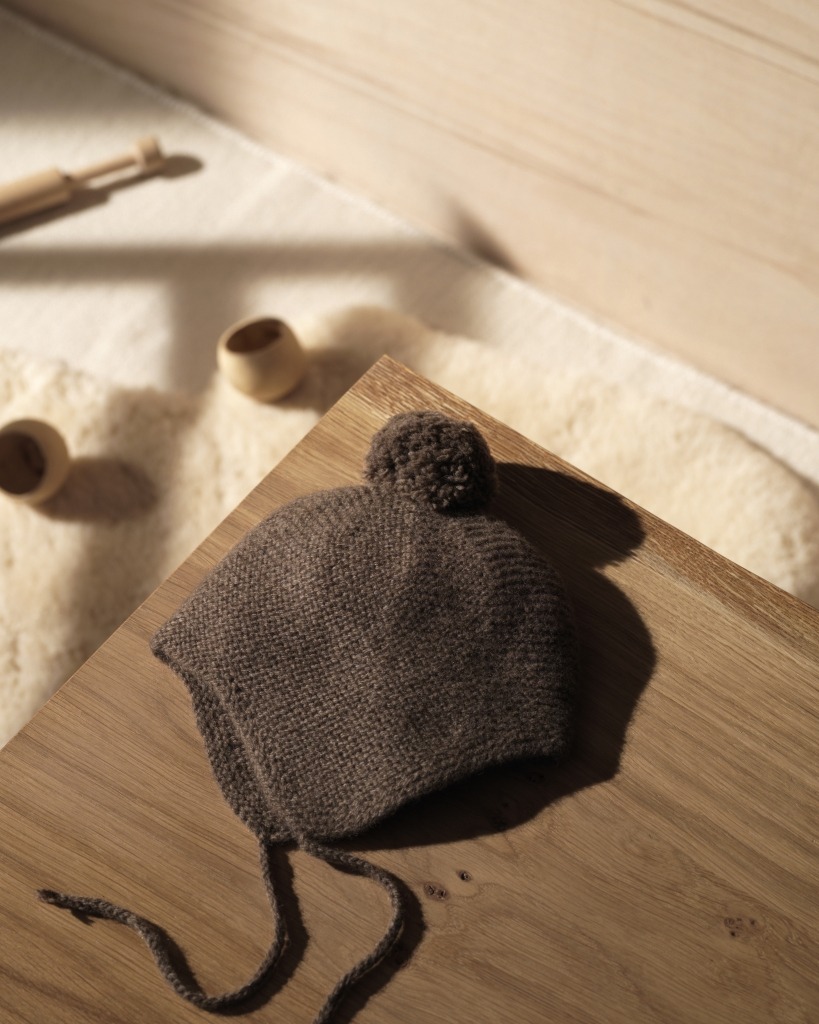
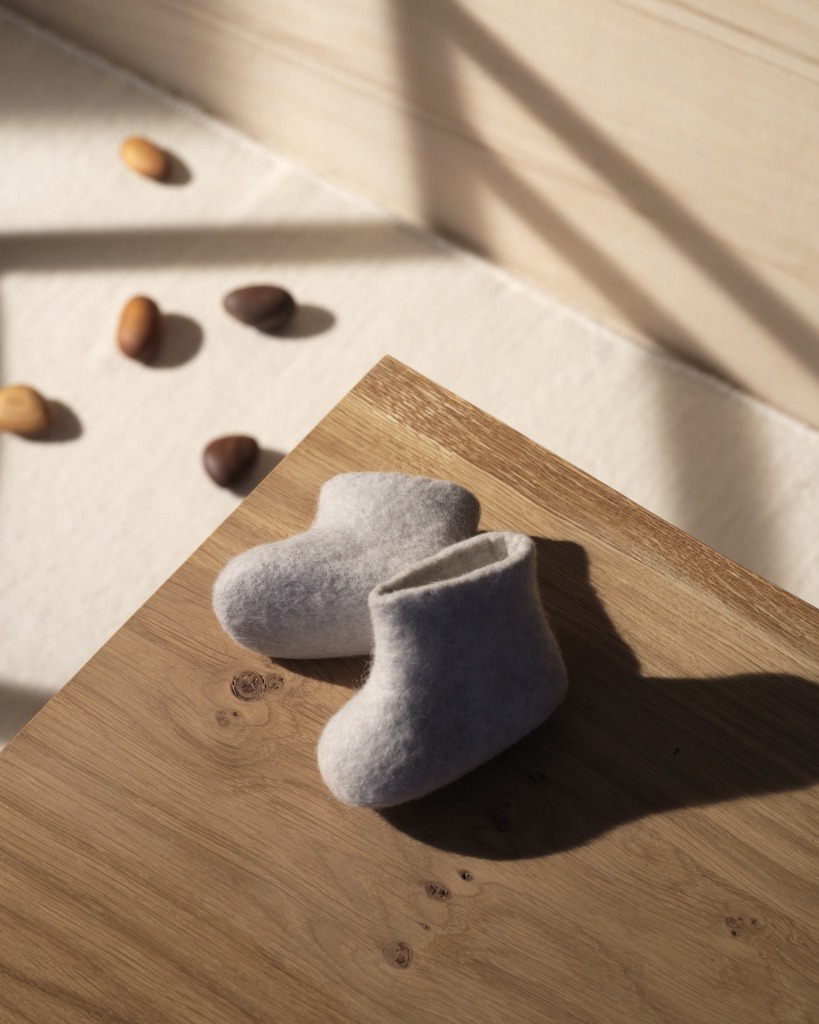
Left: Norlha hand-knitted Baby Beanie in Natural Golden Brown, Right: Norlha hand-felted Baby Booties in Natural Yak White. Photographs Adam Barclay