In the Studio with... potter and writer Julian Stair
From porcelain cups to monumental jars that sit at over 6 feet tall, Julian Stair’s work traverses scale and material whilst maintaining a distinct style of its own. Characterised for its subtle colour palette and minimal finish, his work has gained international reputation and is currently held in over 30 collections worldwide. In his latest solo exhibition at the Sainsbury Centre in Norwich, Stair’s new work was created in response to the global pandemic and shines a spotlight on how society addresses death.
Tell us about your studio, where is it, what is it like and how long have you been there?
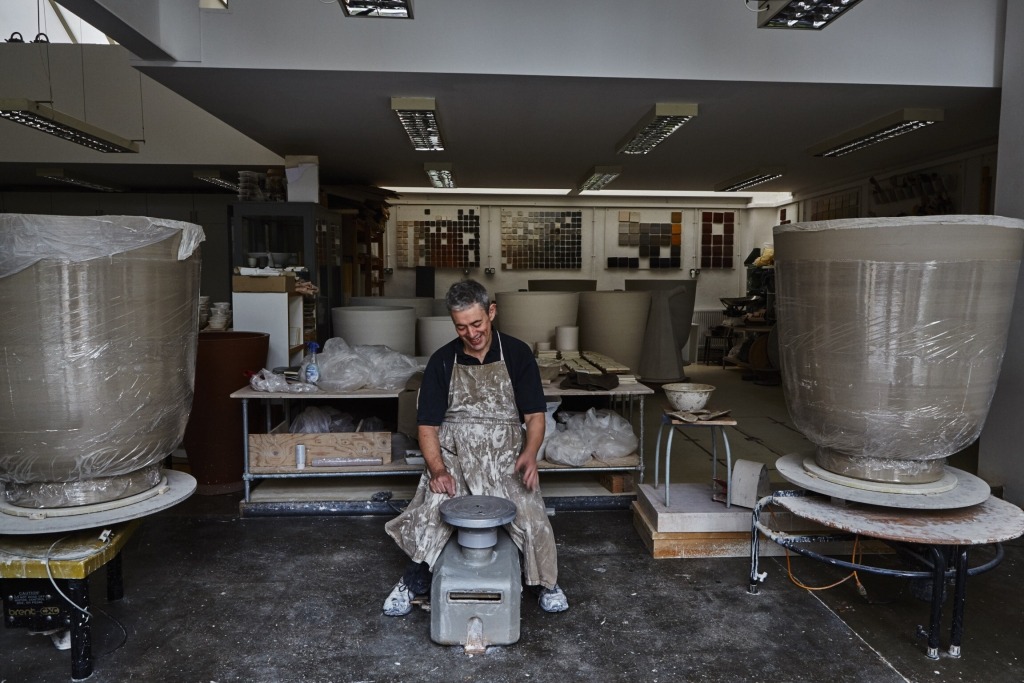
My studio is in East Dulwich, about a ten-minute cycle ride from home and I’ve been there for 17 years. Like lots of artist’s studios it was an old industrial space. When I found it, it was cavernous, gloomy, and covered in grease but now it’s airy and light. My work area and kiln room are on the ground floor, and I have a gallery and office space upstairs. I even have a hidden place to store clay – the old inspection pit from when the studio used to be a mechanic’s garage.
Describe a typical day
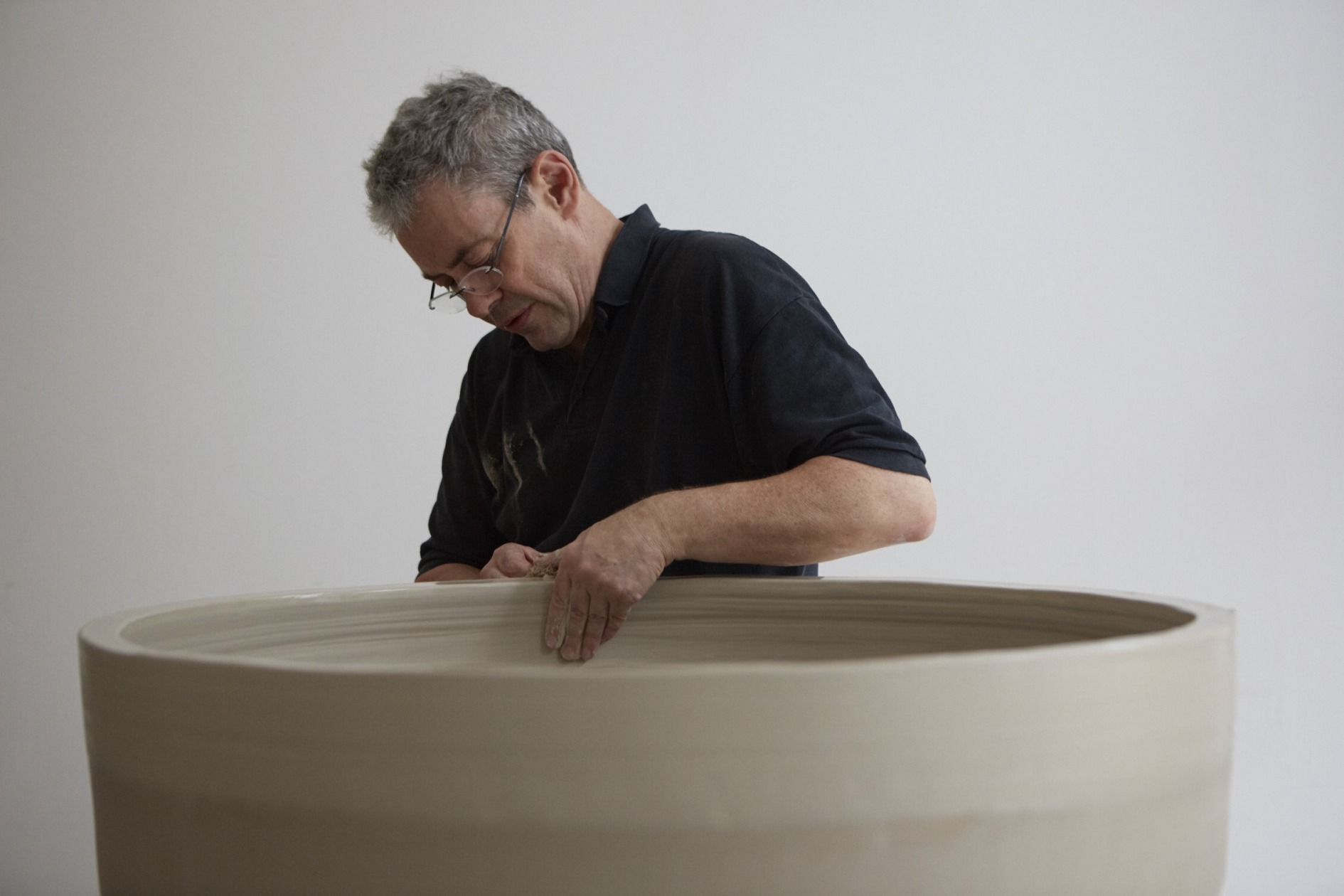
There is no typical day although they are always long. My pots are labour intensive and go through many different stages before being fired. There’s always work waiting to be finished or started. I also write about the history of ceramics and that requires a different mindset so I’ll go upstairs to my library where I can concentrate on words rather than clay.
What are you working on today?
I’m working towards an exhibition at the Sainsbury Centre in Norwich called Julian Stair: Art, Death and the Afterlife which is now open and on until 17 September. I want to try to throw a spotlight on how we as a culture address death. I believe art can be a source of aesthetic inspiration and philosophical inquiry into the most difficult of subjects and that material culture can both mediate loss and help celebrate life.
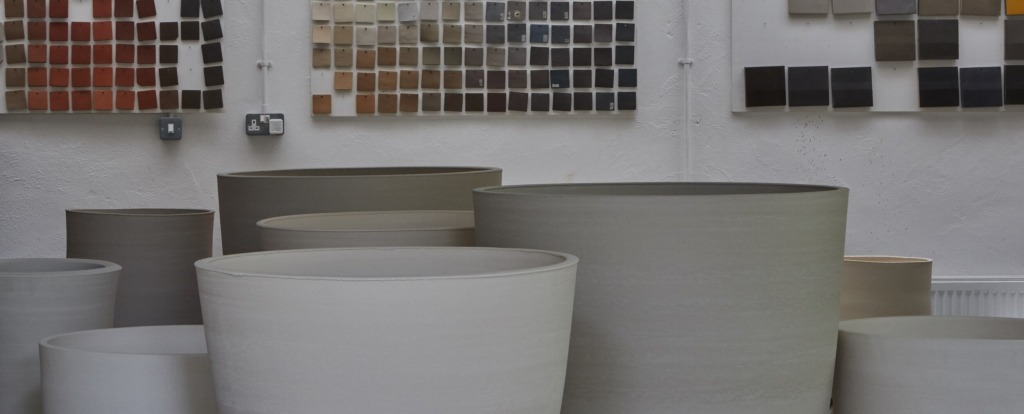
I’ve made a series of monumental jars that are waiting to be fired in a brick factory just outside Bristol. They’ve taken months to dry because it’s been so cold, but they need to be shipped in the next week if they are to make it into the show! I’m also finishing off a series of cinerary jars in the studio. I’ve thrown the forms and now I’m applying slips made from natural clays. The surfaces are very varied, with rich colours and textures.
Do you have any daily work rituals?
Once I get to the studio I change straight into my work clothes, make a cup of coffee and get on the wheel. Sometimes I stop to make notes or answer the phone, but I avoid looking at emails – I don’t want the distraction. Lunch is invariably home-made soup and bread. I often work better in the evenings when the world quietens down.
What is the view from the window?
It’s a sea of green. There’s a living wall of ferns, heuchera and euonymus that my daughter Hattie installed and that the bees love. There’s also a prolific white solanum and planters filled with bamboo and black grasses. The only eyesore is two red gas cylinders – but they are essential to fire my Rohde gas kiln.
What do you listen to?
I listen to music all the time. At the moment it’s a lot of John Coltrane – I’m educating myself about the history of jazz. Otherwise it ranges from classical works such as Marin Marais’ compositions for the viola da gamba through to early country and western music – the Carter Family, the Louvin Brothers and Hank Williams.
What are the most used items in your studio?
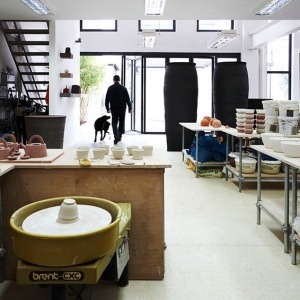
My wheels – I have three because I work with so many different coloured clays. A Shimpo, a Brent and a Soldner, which is specifically designed to bear the weight of large-scale pots. This is the one I take back and forth with me to the brick factory. I also have a variety of sponges, strips of chamois leather for smoothing rims and Japanese brushes for applying slip. The washing machine is also going a lot because dust-filled cloths and clothes are not particularly healthy.
Which three words would best describe your studio?
Intense, organised, invaluable.
Julian Stair: Art, Death and the Afterlife runs until 17 September at The Sainsbury Centre, Norwich