Roots and Vines
Words Nora Walsh
Photographs Natalia Favre
This conversation was produced in collaboration with Banana Republic
Los Amaichas boasts one of only three wineries in the world owned and operated by indigenous peoples. For the local vinters, it’s about savoring a rich and ancient culture, while making wine “in the kindest way possible to the earth”
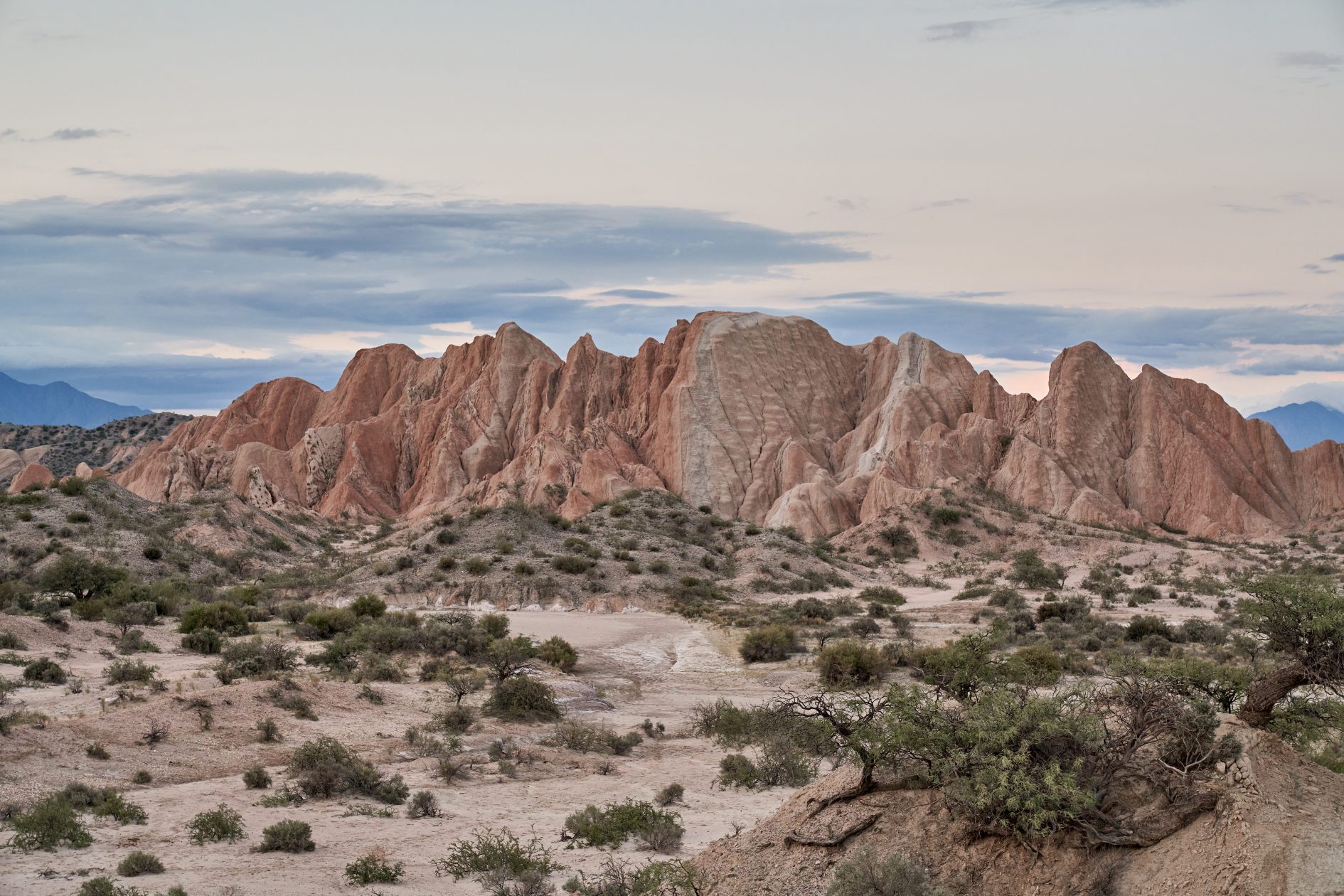
The Calchaquí Valley in northern Argentina is a place of contradictions. Backed by the monumental Andes, the landscape is majestic yet harsh, generous yet merciless, ancient yet of-the-moment. A patchwork of wind-sculpted rock formations, sunbaked canyons and emerald pastures hugging snowmelt has have been home to native civilisations for millennia. Here, indigenous communities cultivate the earth with a sacred reverence that still exists today.
“For 300 years there have been vineyards in this area,” says German Flores, an aspiring winemaker from the Los Amaichas community in the province of Tucumán. “It’s very common for families to grow grapes on their patio and make wine for personal consumption.” Winemaking is one of the long-lasting legacies of Spanish influence in the region, which, over time, has fused with indigenous traditions to develop a viticulture that is unique.
In 2016, local residents founded Los Amaichas Community Winery. The co-operative project, supported by the national government, is one of only three wineries in the world owned and operated by indigenous peoples. The venture’s aim is to boost economic development in the area by combining the grape production of more than 50 families to commercialize its proprietary wine label. Decisions at the winery are carried out by the community’s elected chief and council of elders. (In 1716, Los Amaichas were granted the right to self-govern and their ancestral lands were returned by the Spanish crown as a recompense for not participating in the Calchaquí Wars.)
The winery is part of the Tucumán Wine Route, a 60-mile trail linking 14 wineries from Tafí del Valle to Colalao del Valle, along the provincial Route 307 and the country’s legendary Route 40. Climbing to an altitude of 9,800 feet above sea level, the scenic journey winds through lush jungles, high mountain passes and fecund valleys where the sun shines nearly every day of the year.
“It’s a really fun road trip through an untouristed part of Argentina,” says Maita Barrenechea, owner of Mai 10, a travel outfitter that offers bespoke trips in the region. Barrenechea recommends overnighting at Estancia Las Carreras, originally a Jesuit ranch that’s now a family-run 10-room property with a museum and dairy farm. Oenophiles can also bed down at several charming boutique winery hotels along the way that offer artisanal wine tasting, horseback riding, cheesemaking and stargazing. Adobe architecture, ancient archaeological sites, and traditional clay-oven cuisine (think empanadas, tamales and locro stew) all provide a window into the age-old customs of the area.
In addition, indigenous Andean communities celebrate Pachamama Day every August 1st by giving thanks to the earth in a special ceremony that involves typical music, dancing and offerings of food, wine, and coca leaves. “It’s a beautiful tribute to Mother Earth for her protection and what she gives us daily. Locals sing coplas (rural poems) and wear traditional dress. It’s a wonderful time to be there and pay respect to the land,” says Barrenechea.
When Los Amaichas was ready to produce their inaugural wines, they tapped Argentine winemaker and sommelier Agustín Lanús, founder of Bad Brothers restaurant and wine bar in Cafayate. For several years, Lanús worked with community members to create Criolla and Malbec varietals under the label Sumak Kawsay, which roughly translates as “good living” in the native Quechua language. Los Amaichas believe that living in harmony with Pachamama is the key to wellbeing. Rather than the accumulation of material wealth, they deem fertile soil, clean air, clean water, and thriving flora and fauna the essential elements of a good life.
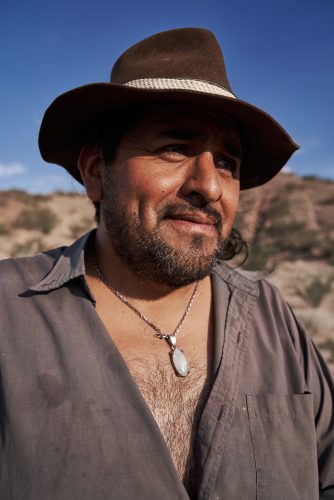
“I want to make wine in the kindest way possible to the earth,” said Flores, who has been part of the production team at the winery for five years. “Our natural wines are made without any chemicals or fertilizers, and we use native yeast in the fermentation process.”
The winery’s architecture was constructed using pre-Hispanic principles. Three circular buildings crafted from local river stones house different aspects of the winemaking process, from grape sorting to fermentation and bottling, which visitors can tour with an indigenous guide from the community.
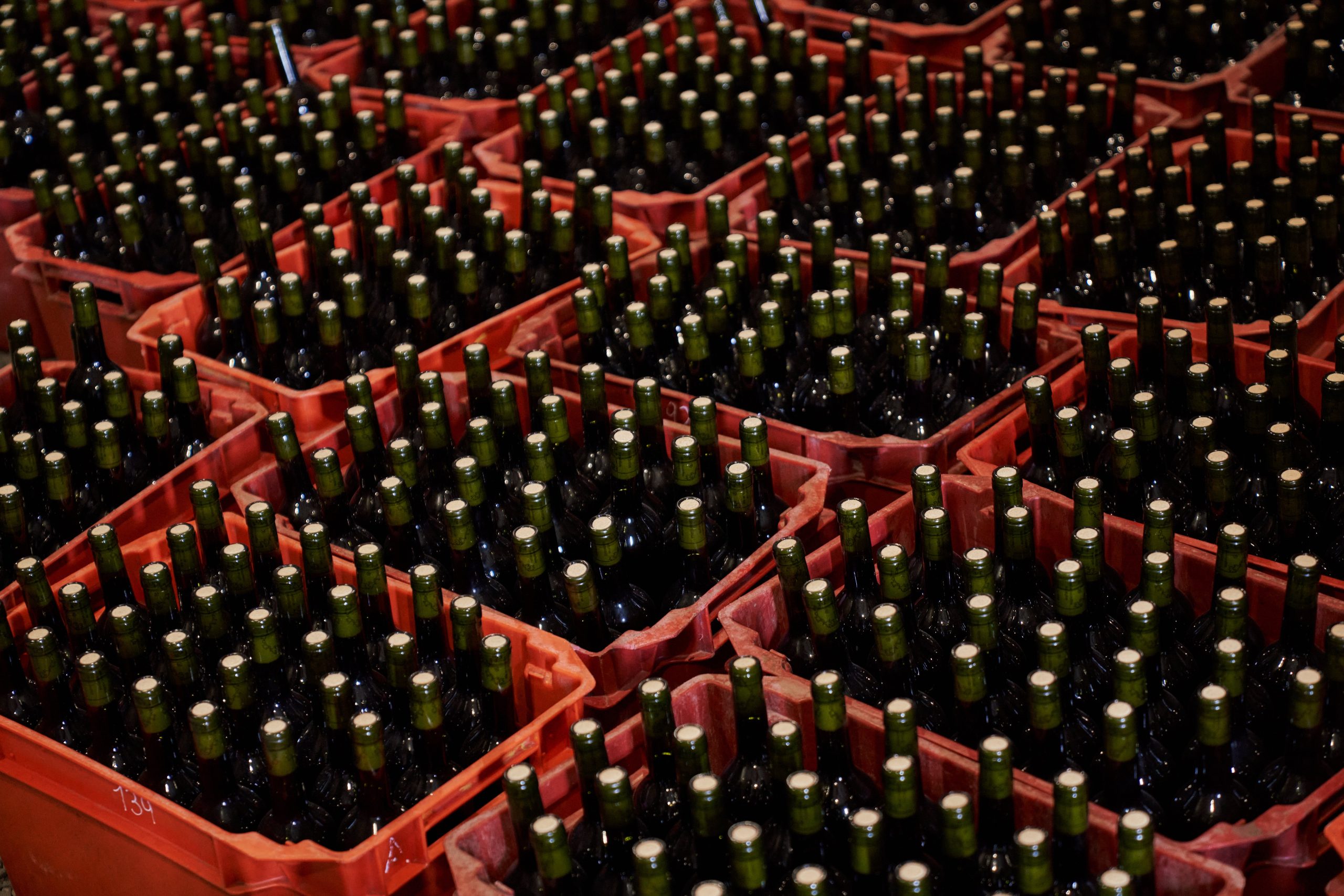
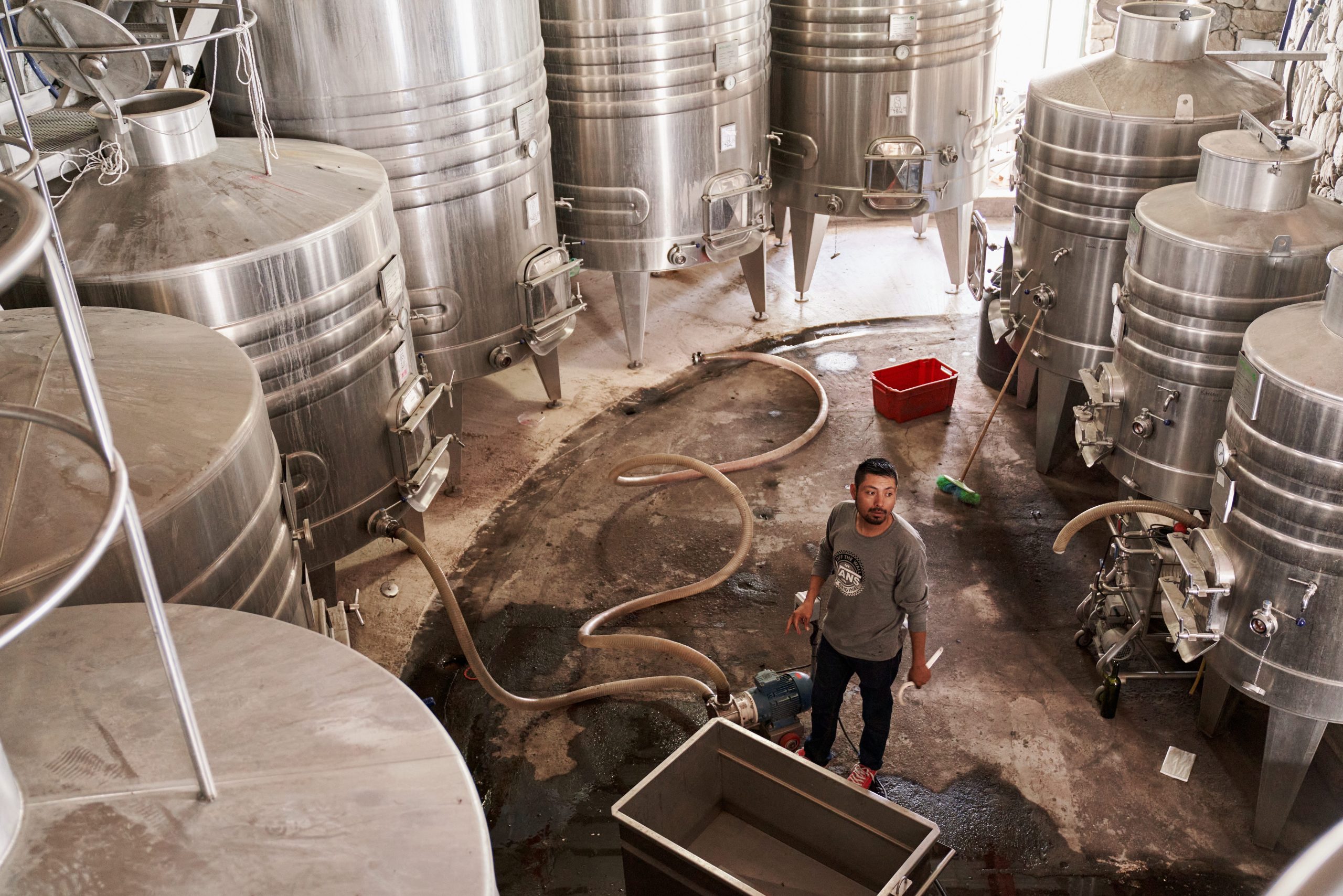
Modern equipment, including irrigation systems, grape presses and steel tanks, as well as a consulting agricultural engineer, has been provided through government support. Los Amaichas Community Winery currently produces around 30,000 bottles of wine per year, most of which is Malbec aged for two years in oak barrels or with oak chips.
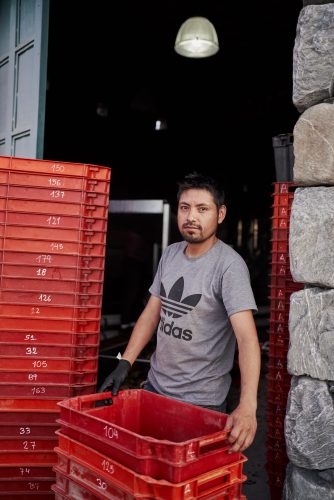
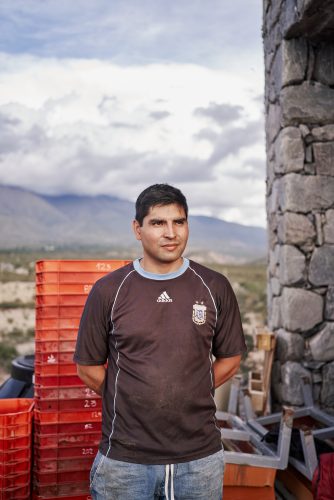
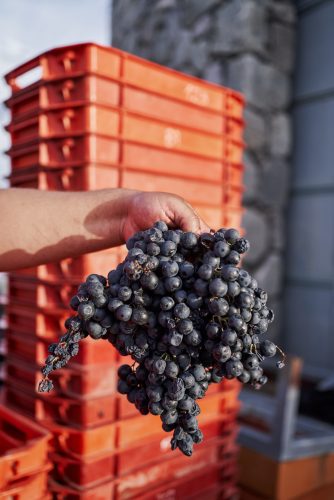
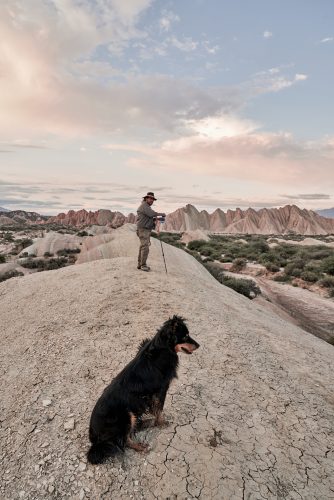
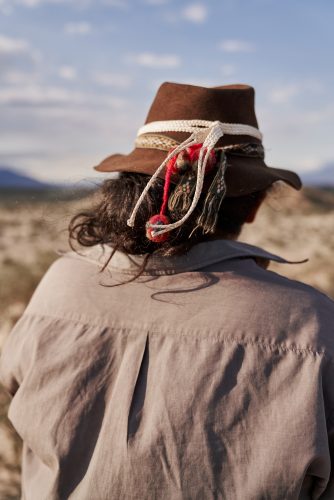
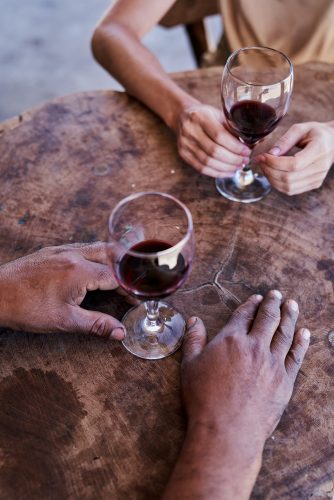
In the Amiacha Valley, sunny climes, high altitudes and dry conditions contrast with cold mountain evenings to reap heartier grapes. “The alluvial soil is very calcareous with high levels of salinity, which gives the wines a chalky texture in the mouth,” explains Lanús. “Since the yield is low, the grapes are very concentrated and produce really quality wines.”
The Malbec has an intense garnet color with a fruity nose reminiscent of red cherry, plum and strawberry, as well as a hint of spice. It’s long on the palate with a balanced acidity, touch of oak and a clean finish. The Criolla varietal stands out for its vigor, aromaticity and rusticity with complex tannins and notes of red fruits, blueberries, dried roses, and herbs.
“The Criolla grape is predominant in the region because it was brought from Europe by Spanish Jesuits in the 16th and 19th centuries to make wine for Catholic mass. It’s a wine that’s easy to drink,” says Lanús. “They likely chose it for its hardiness to cross the ocean and adaptability to thrive in distinct soils and climates.”
Lanús, who sells Sumak Kawsay wines at his wine bar and exports them around the globe, believes that Criolla is the future of Argentine wine because it’s delicious, ecological, and authentic to Northern Argentina. “I call it the Pinot Calchaquí,” he says.
For those around the world who drink Sumak Kawsay, they’re sipping more than just wine. They’re savoring the rich culture of an ancient people who have spent thousands of years cultivating an unforgiving terroir with enduring respect, gratitude, and care – and it’s delicious.