The Best of Boath Worlds
Words and photographs Beatrice Ross
An immersion into the creative and culinary delights of the Highland sanctuary Boath House
The undulating expanse of the Scottish Highlands is punctuated by sporadic accents of acid yellow, an abundance of frothy gorse lining the road like tapestry trim on the 20-minute drive from Inverness airport to Nairn. ‘Have you ever seen a highland cow?’ asks Massimo, general manager of Boath House from the driver’s seat. I shamefully admit I haven’t. They’re not a regular fixture some 600 miles away in London, where Boath’s sister site, Sessions Arts Club, has become renowned in the city for its bohemian atmosphere and unconventional yet brilliant menu.
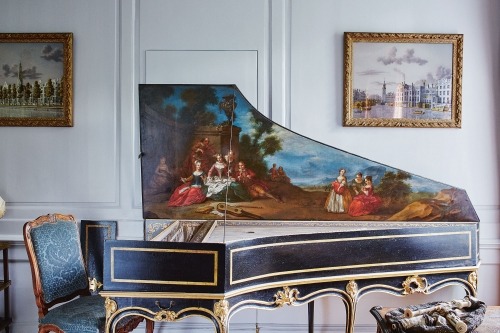
Both Boath and Sessions like to keep you teetering on the edge of the ‘what if’: their locations unexpected and the prelude to your arrival meticulously considered. You’ll understand if you’ve ventured through the unmarked, red door of Sessions to be welcomed by candlelight, before ascending the lift to the main event four floors up in Clerkenwell’s Old Sessions House. Co-founded by artist Jonny Gent and Soho House architect Russell Potter, it’s no surprise that both sites have mastered the art of the liminal space better than a Hopper painting – places for guests ‘to disappear’. Built on the ‘pillars of art, food, music and supplies’, Boath invites you to both indulge in and pluck inspiration from these intersects through retreating back to nature and craft, away from the intensity of the city. A ‘place of healing’ as Gent puts it.
Boath is inherently romantic. Candles burn constantly, the lofty hall illuminated by dancing flames and the fire lit after dark to warm bodies and souls. Music plays in the lounge throughout the day to match the moment, Prince’s ‘Sexy Dancer’ a sonic symbol of the Georgian mansion’s epicurean alter-ego. Should you fancy hosting your own spontaneous symposium with friends or lovers after hours, there is an honesty bar equipped with all the essentials, and a befitting wealth of Scottish whisky.
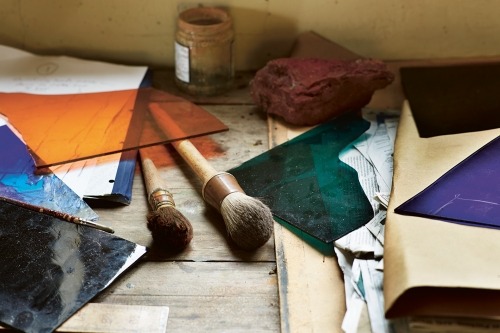
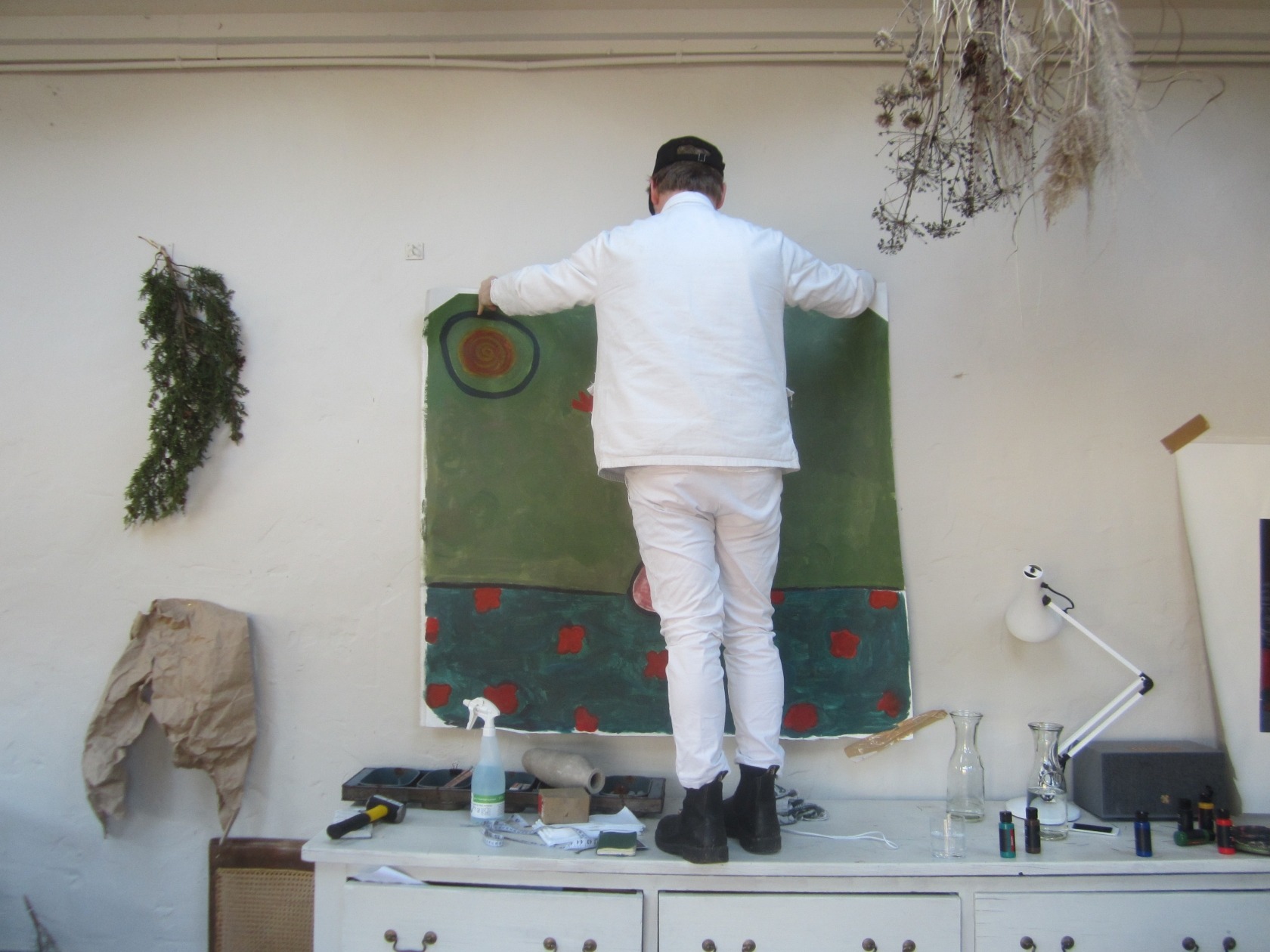
Left to my own devices in the house, I adopt a more jovial take on Miss Havisham, roaming the corridors in disbelief that I was in the chaos of Gatwick Airport not even two hours before. Aside from the 10 rooms in the house, the surrounding grounds host a lodge where Gent stays when he’s not galavanting around the world in pursuit of projects (his most recent being an exhibition in Paris), a writing studio and drawing studio. There’s an artist’s studio in the garden stocked with paper and utensils, a pickling shed where garden produce is fermented to be used at Sessions, a listening and screening room, and a wood-fired sauna heated up on request. But first: lunch.
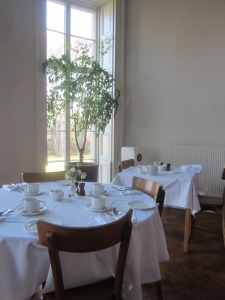
Leek tatin, langoustine garganelli and fennel, game of the day, whisky cured salmon with soda bread and pickled garden cucumber. Sunday roast. Philip Mcenaney and Katherine Austin run the kitchen at Boath, their dishes honouring their surroundings and evolving with the seasons, as well as making use of produce from the garden. Soon there will be an abundance of radishes, Boath’s much adored head gardener Alan informs me, wearing his trademark three jackets and inquisitive expression. The bunches of chives stretching out from their beds are utterly enticing. The life-affirming scent of the soil combined with the fresh and peppery aftertaste is totally nostalgic. It’s both comforting and a tad anarchic to eat directly from the source, a simple pleasure I hadn’t relished since moving to the city. ‘It’s exciting because it’s very different to London,’ explains sous chef Katherine Austin. ‘Months ago we planted vegetables with a plan to use them in the summer. When you’re using such fresh vegetables you don’t need to add a lot to them, not even salt.’
A ‘spontaneous’ dinner organised by Gent had taken place only days before. Chefs Merlin Labron-Johnson (Osip, The Old Pharmacy) and Bruce Clyne-Watson pushed Boath to its limits through wild foraging about the property, and making use of the home-grown vegetables. ‘The absolute highlight was the wild Scottish morels,’ Johnson says of the scarcely found mushrooms, ‘and these incredible things called pignuts, a bit like a carrot in that they grow under the soil.’ Langoustines were cooked over Scots pine in the pizza oven, scallops drenched in wild herb butter, venison accompanied beetroot and birch sap and the aforementioned pignuts found their place in a leek tart. ‘I love cooking in that way,’ he continues. ‘It’s less about me deciding what I would like to make and more about working with what is available in the moment. The overarching experience of Boath inspired me in so many ways.’
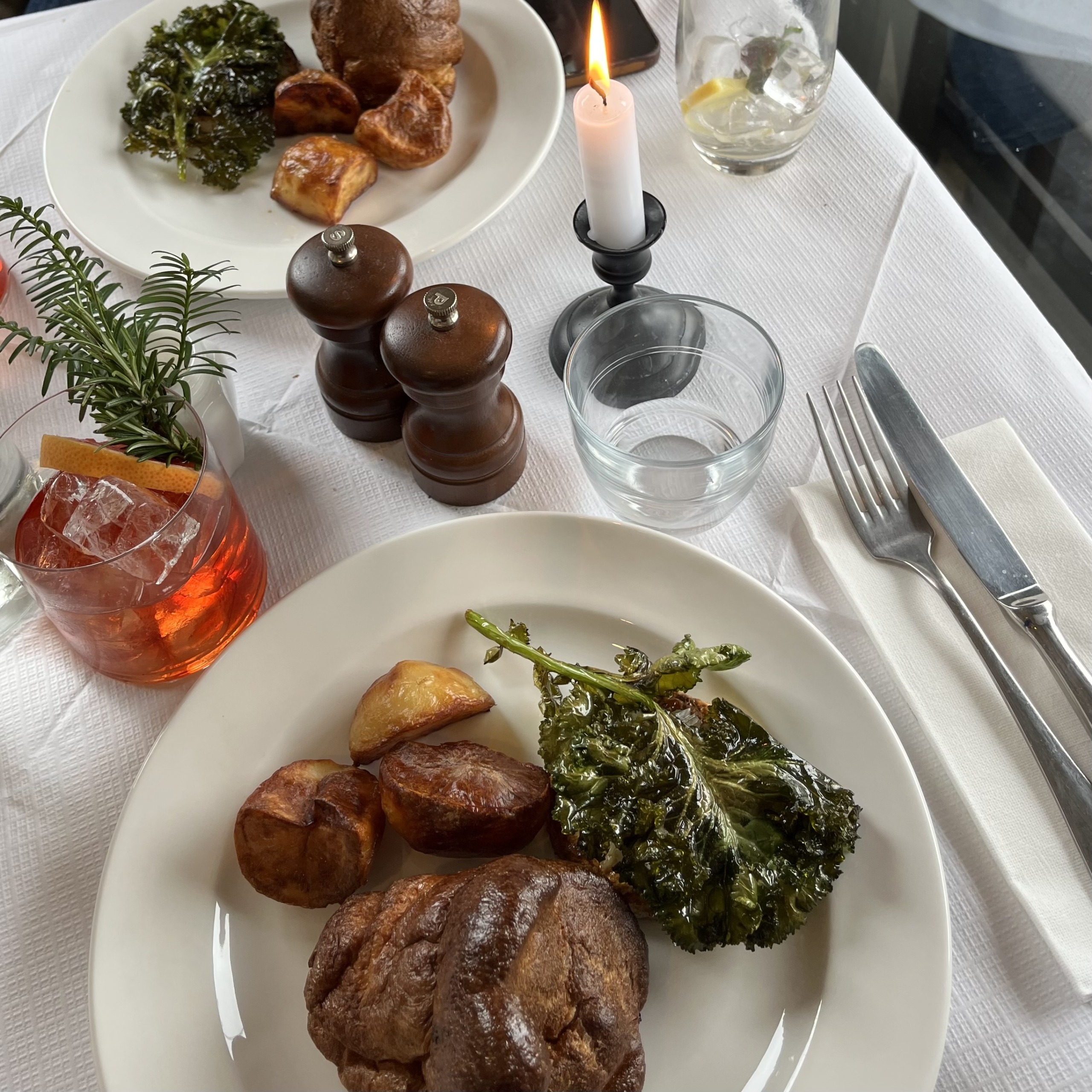
There are occasional similarities between the menu at Boath and Sessions. Oyster mushroom and trout appear more than once, as does the soothing cool sensation of crème fraîche. The drinks on offer are also heavily influenced by botanicals, fennel is used in both an Axia martini and a lemon bellini, though the first flavours to hit my tongue at Boath are of warming vermouth and bitter orange courtesy of a rosemary negroni.
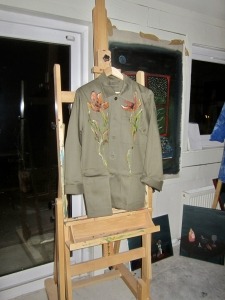
No minute of the night or day is idle at Boath. The studio is my port of call during the witching hours, a blissful way to burn the midnight oil and smouldering embers of palo santo firewood, ridding the mind of tension as pen meets paper. I share the space with musician Courtney Marie Andrews, who is in residence at Boath to paint and pause after touring. ‘When I’m painting here the world just falls away,’ she says, fixated on perfecting the facial features of a blue figure on the canvas. I paint the front of a former Sessions Arts Club uniform with orange tulips.
The day is spent chasing the sun with Gent leading the charge, a box of fantastic raspberry pink cakes picked up en route to share at Roseisle beach. Feet sink under sand and salt water, sketchbooks out at the ready to capture the sun dappled shoreline and passing sailboats. We pay a visit to Pluscarden Abbey for Andrews to try her hand at the organ, eventually finding ourselves washed up on the dunes at Findhorn with fish and chips, the sky now brazen against the charred clouds.
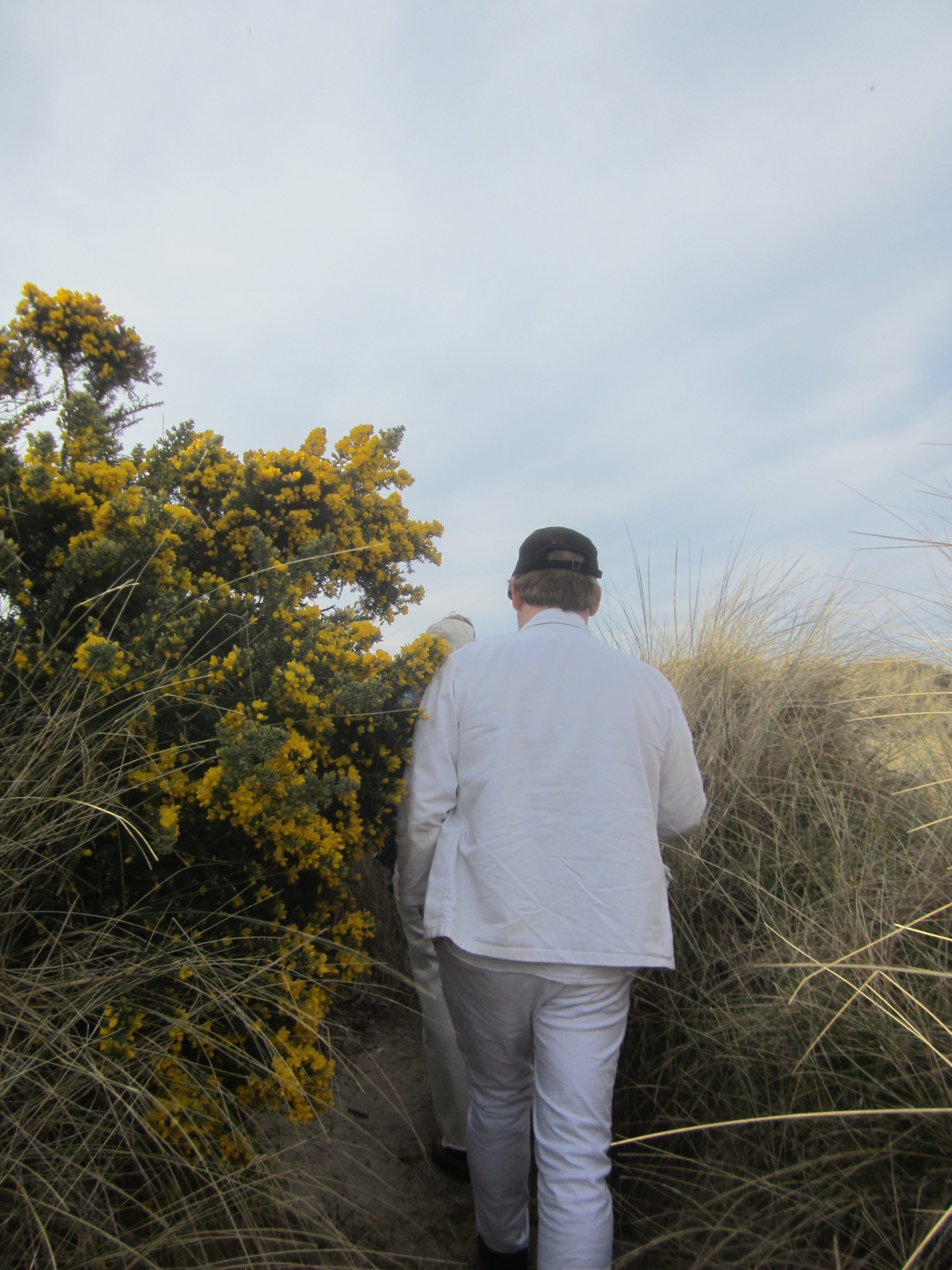
Boath is quietly starting to weave its own mythology in the lore-rich landscape of the Highlands; its subdued, columned façade a catalyst for its inhabitants to wreak creative anarchy in both studio and kitchen, encouraging Odyssean ventures by day and creative forums by night. I don’t ever want to see my hands free of paint or soil again, it’s a sentiment to which words on a page do little justice. Now back in London, the residual magic of Boath is still firmly rooted in my attitude to creating work. I may not spend my hours in a candlelit studio in a walled garden, but the company is just as good, and Sessions is only a moment away…