In the Studio with... Claire Benn
Claire Benn is an artist who works with mixed media, textiles, raw earth pigments, natural dyes and thread. She takes her inspiration from wild landscapes, from the Atacama desert to the emptiness of the Arctic. She writes a blog, ‘Mending Our Ways’, and will be teaching a three-day course at Clayhill Arts in Somerset next month.
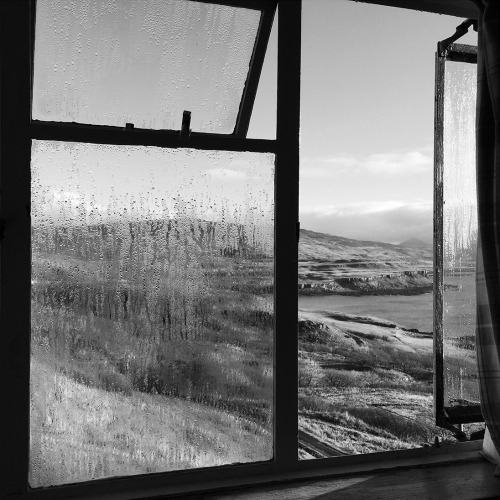
Describe your studio. What can you see from the windows?
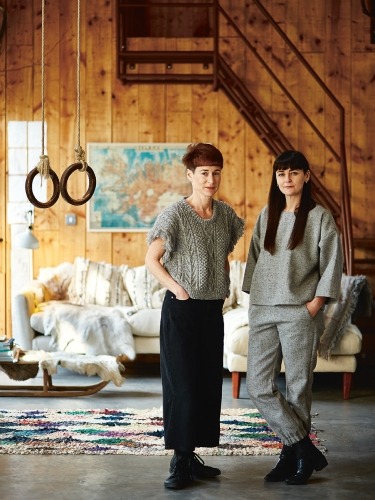
We converted a 17th-century timber-frame barn between 2009 and 2010, using it first as a teaching studio and since 2016, a home. My studio is five steps across a courtyard from the barn – it was an old cowshed but is now a snug space with great views across the meadow, which we planted with wildflowers after the conversion of the barn.
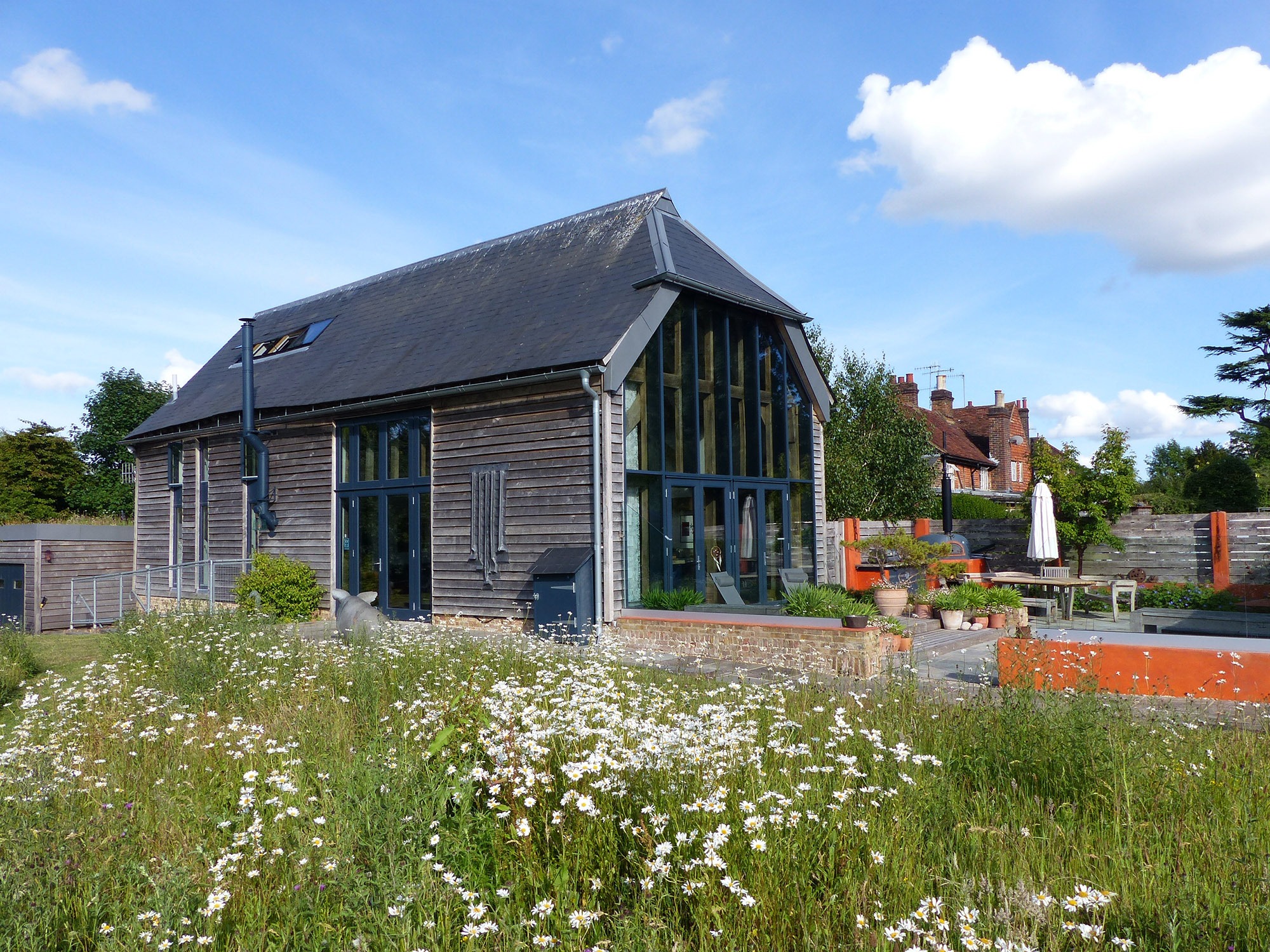
17th century barn
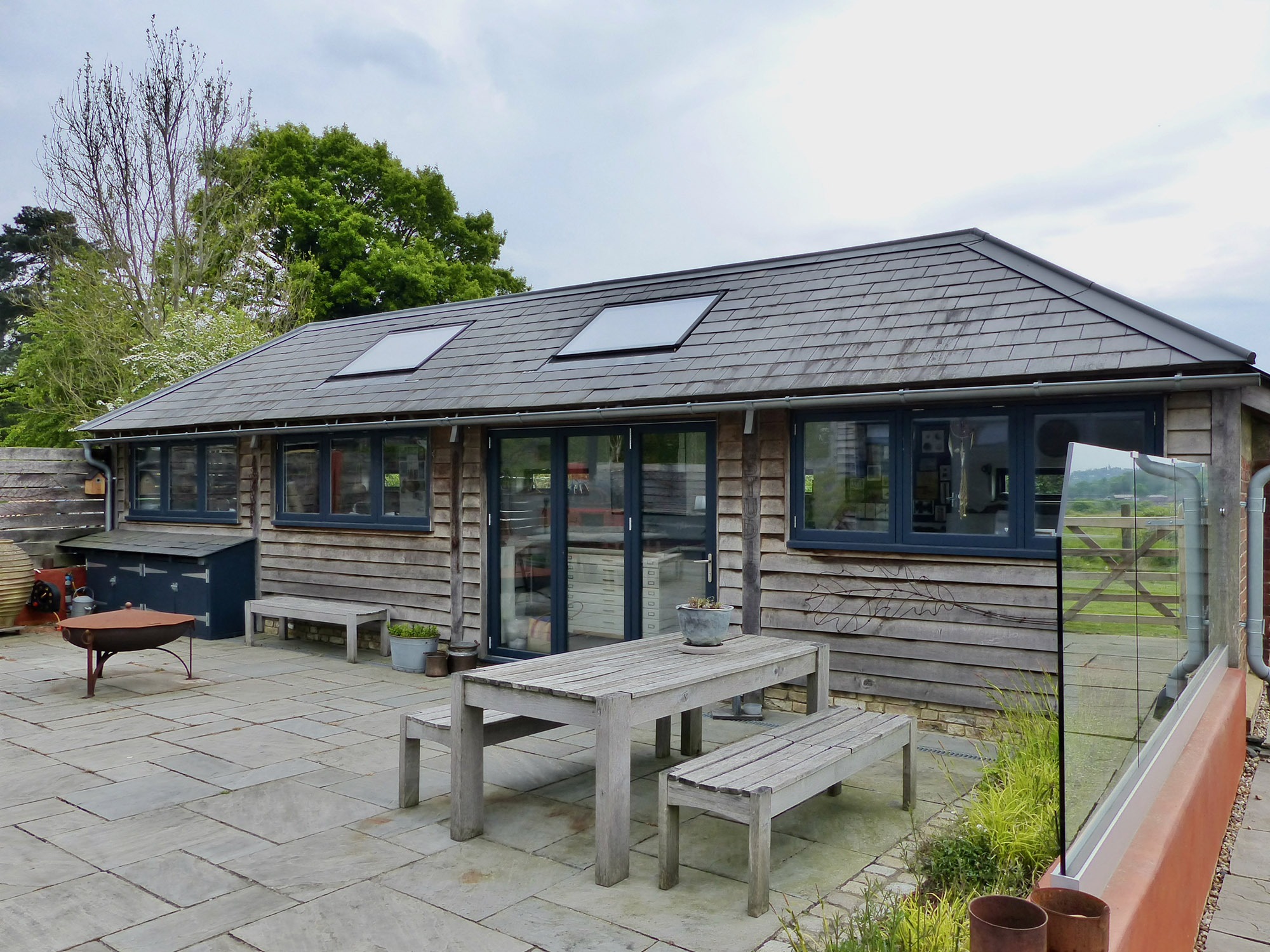
Old cow shed turned studio
Measuring 12 x 3m, it’s a long, narrow space – I’d have preferred more of a square space to enable more display/design walls, but I can’t complain! The main aspect faces north-east, and the windows, roof lights and bi-fold doors provide plenty of good, natural light – in summer I can pull the doors back and let the outside in, which is wonderful.
As I’ve always worked with cloth and a variety of wet media, one end of the studio has a sink, a washing machine and kitchen units to store tools and equipment. I’ve also got drying lines rigged up at this end, which is helpful. The rest of the space contains three, large working surfaces made from 3.3cm dense foam encased in sheet aluminium – a stable, rigid but lightweight table-top I can just about manipulate by myself. These worktops are reversible; one side has 8mm thick poly-felt glued to it, the other side is smooth aluminium. This means I have a surface I can pin cloth down to when necessary, or choose to have a rigid, waterproof surface to work on. Two of the worktops sit on plan chests (seriously useful storage), the other sits on a table football – not quite as good but the kids and grandchildren won’t let us part with it!
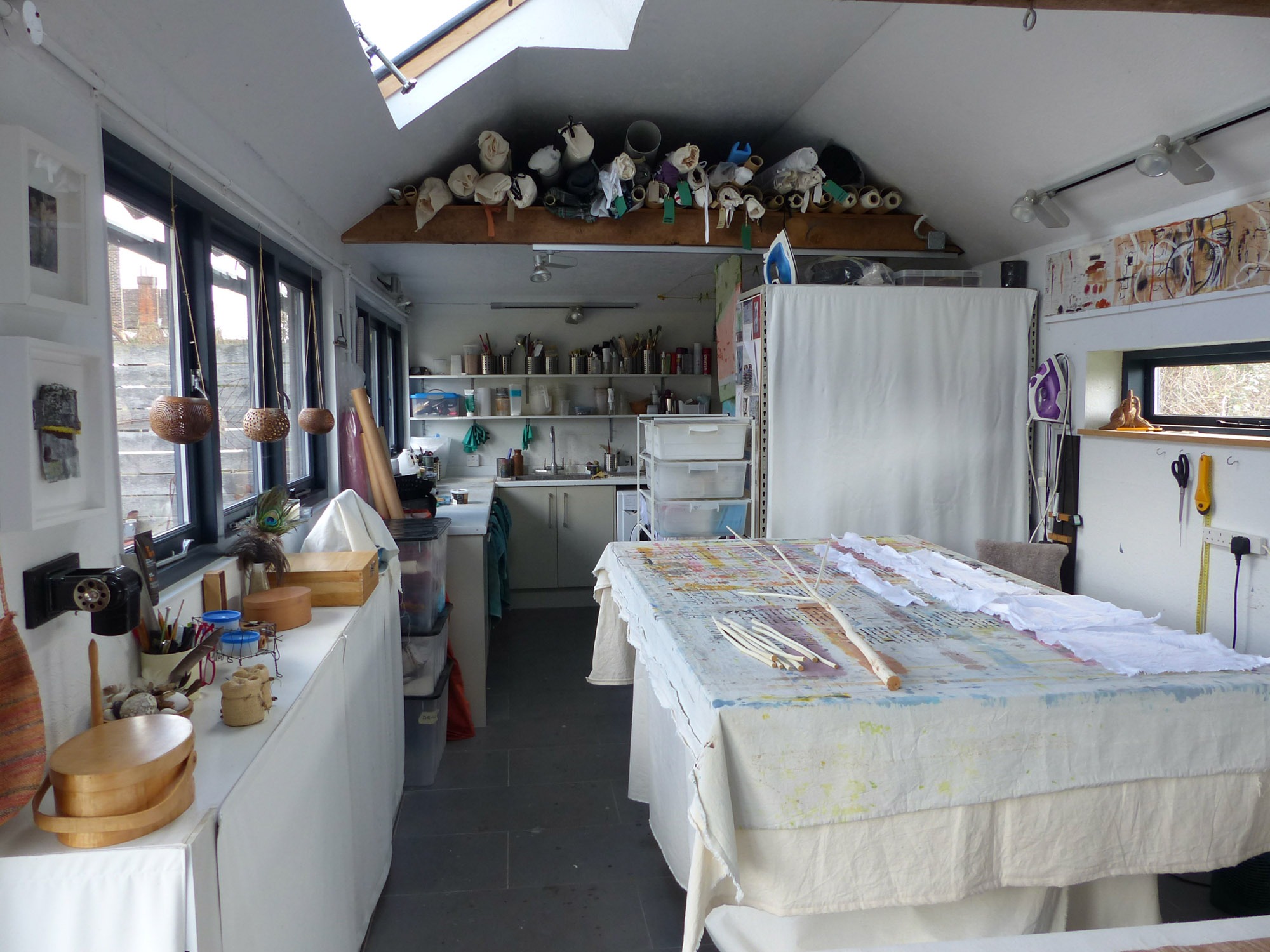
The sink end of the studio
My husband built narrow shelving units to store books, thread, cloth, media and tools, and an industrial storage rack is also useful as a divider. I’ve made drop-down curtains out of black-out blind material to keep the light off the cloth and the media, and to generally stop dust. I find it difficult to work in a space with too much visual clutter, so this is an easy way to hide – and protect – my stuff.
One end of the studio is covered with painted pinboard as the ability to pin up work in progress and contemplate it is vital. Left-over pieces of poly-felt provide two further pin boards, one of which is covered with images or quotes that inspire or simply make me happy.
My studio is a great space; good light, lovely views, quiet and containing everything I need.
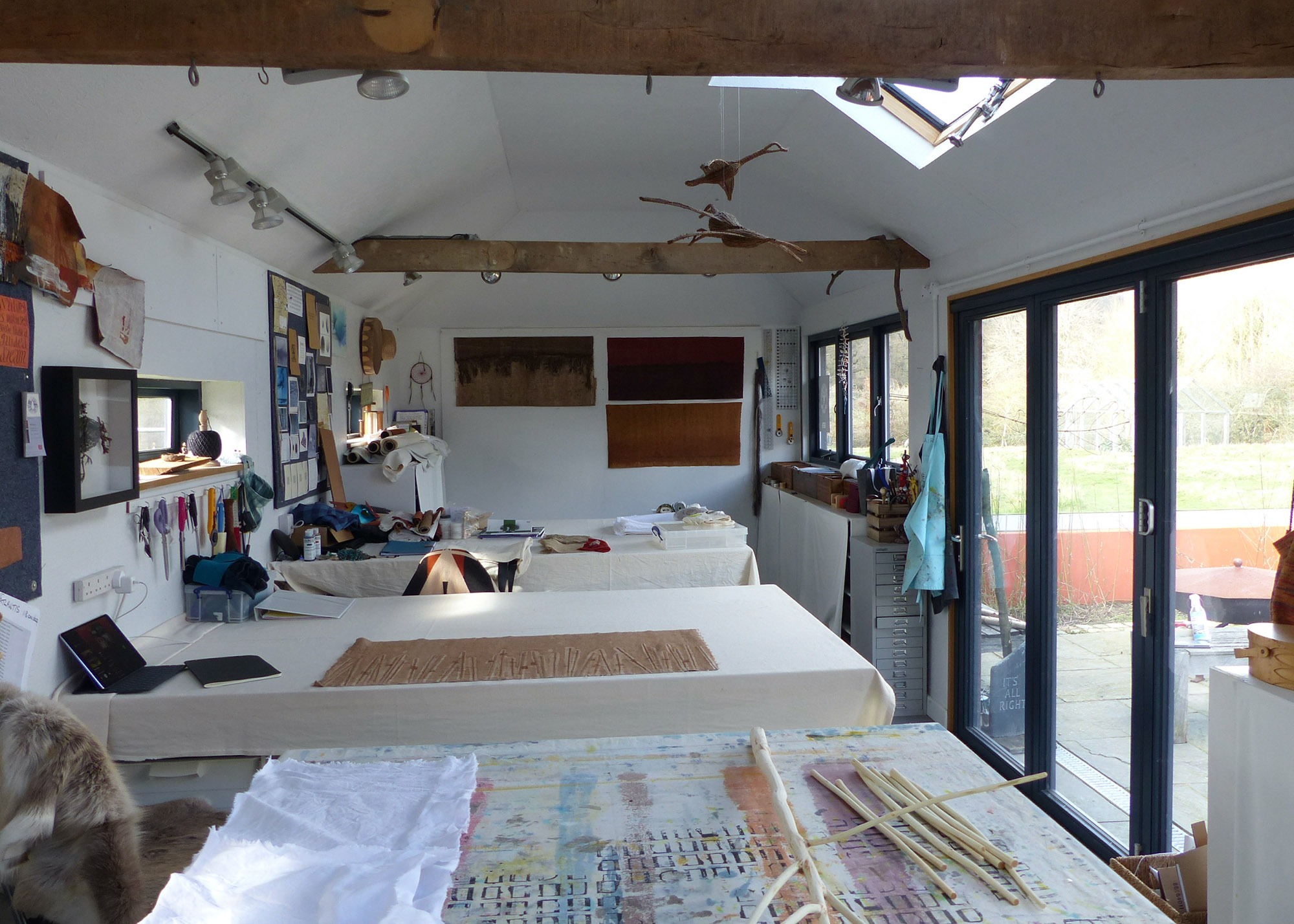
The design wall end of the studio
What do you listen to?
I generally prefer to work to music and what I play is simply dependent on my mood; trancey-dance, funked-up Native American chants, Indie, Celtic, choral – I like most stuff apart from heavy metal, country and western… or Abba. But peace and quiet works well too, particularly with the doors open in good weather. I can hear the breeze, the chittering and chattering of small birds on the courtyard feeder and the rough cries of the crows. The crows hang out in the field because I feed them, particularly if the ground is rock hard and/or they have young to feed.
What are you working on today?
I’m currently focused on hand stitching three different pieces. I tend to do stitch-based work in the winter and wet work in the warmer, drier months as getting my cloth dried and cured is so much easier then. I’ve also recently cut a hazel walking staff, stripped and sanded it and now it’s ready for oiling and leather-wrapping – a slight diversion for me, but I’ve found it enjoyable to work with and handle a nice piece of wood. Natural materials are important to me.
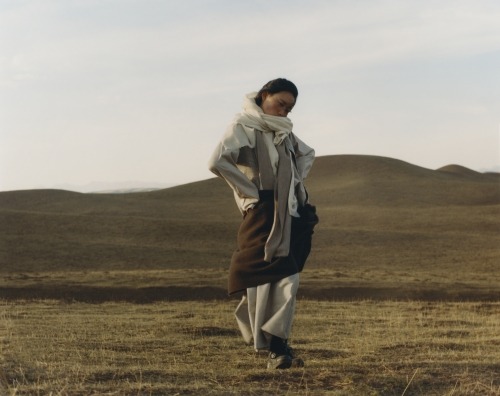
My inspiration has been focused on landscape for the past 10 years; the more remote and wild the better. Places like the high desert of New Mexico, the Atacama in northern Chile and Wadi Rum in Jordan. The rugged landscapes of the west coast of Scotland have an older, more ancient energy that I love. These places help me to be quiet, still and slow. Using natural earth pigments in my work connects me to these landscapes (particularly if I’ve collected pigment on site) and I now bind these pigments to the cloth using soya milk – a process I’ll be teaching at Clayhill Arts in July this year. I’m also curious about the earth itself – the ground under my feet; the teeming life that exists in the soil that ultimately feeds everything on the surface. Running a workshop at Clayhill will provide us with great views and a lot of natural elements to inspire us. We’ll be able to collect soil from the nearby fields (it’s a glorious, reddish clay, perfect for use as a pigment) and we’ll be exploiting concrete surfaces or bits of wood taken from their selvedge pile – all good for textural effects.
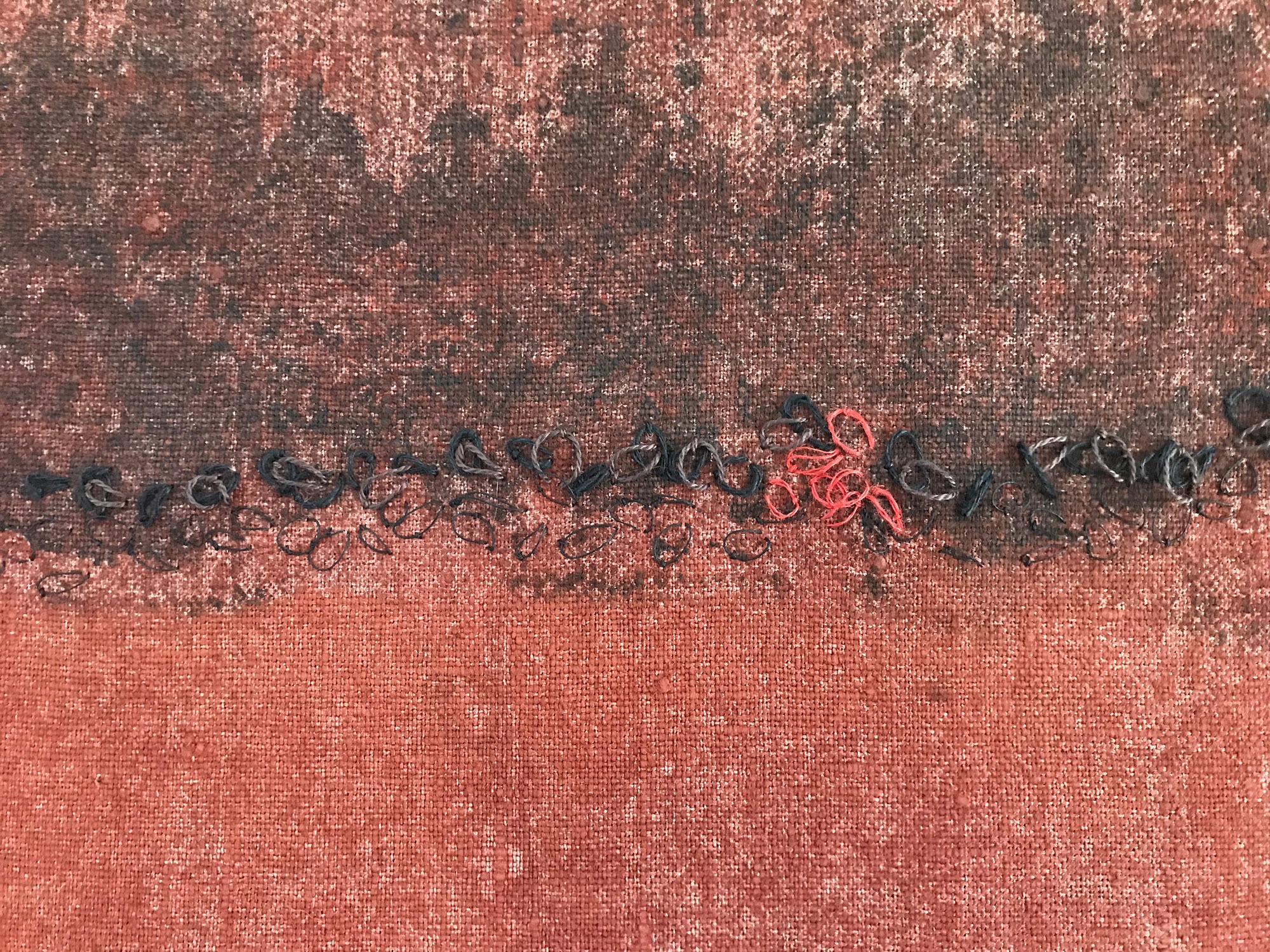
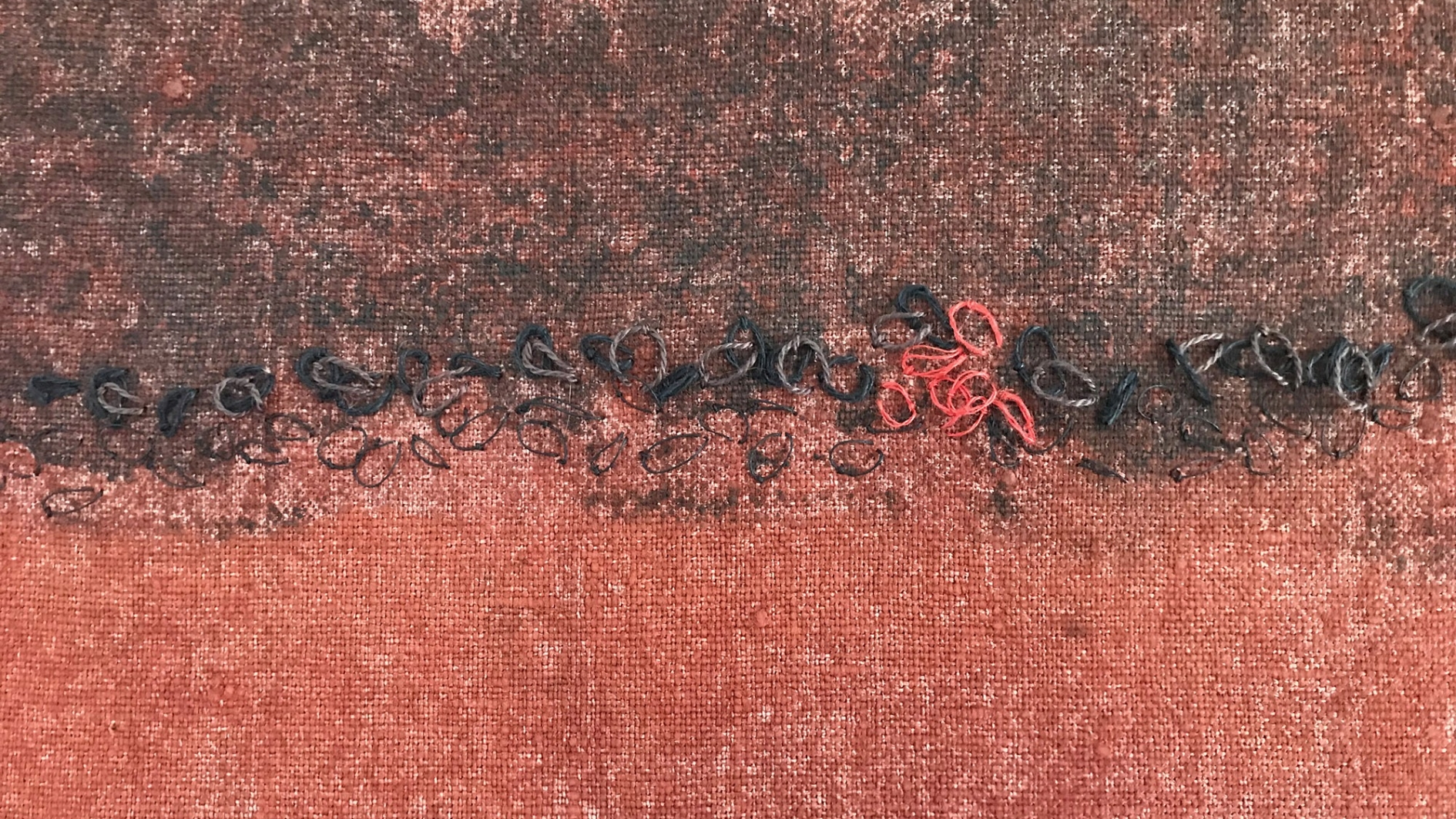
‘Soil surface’, detail
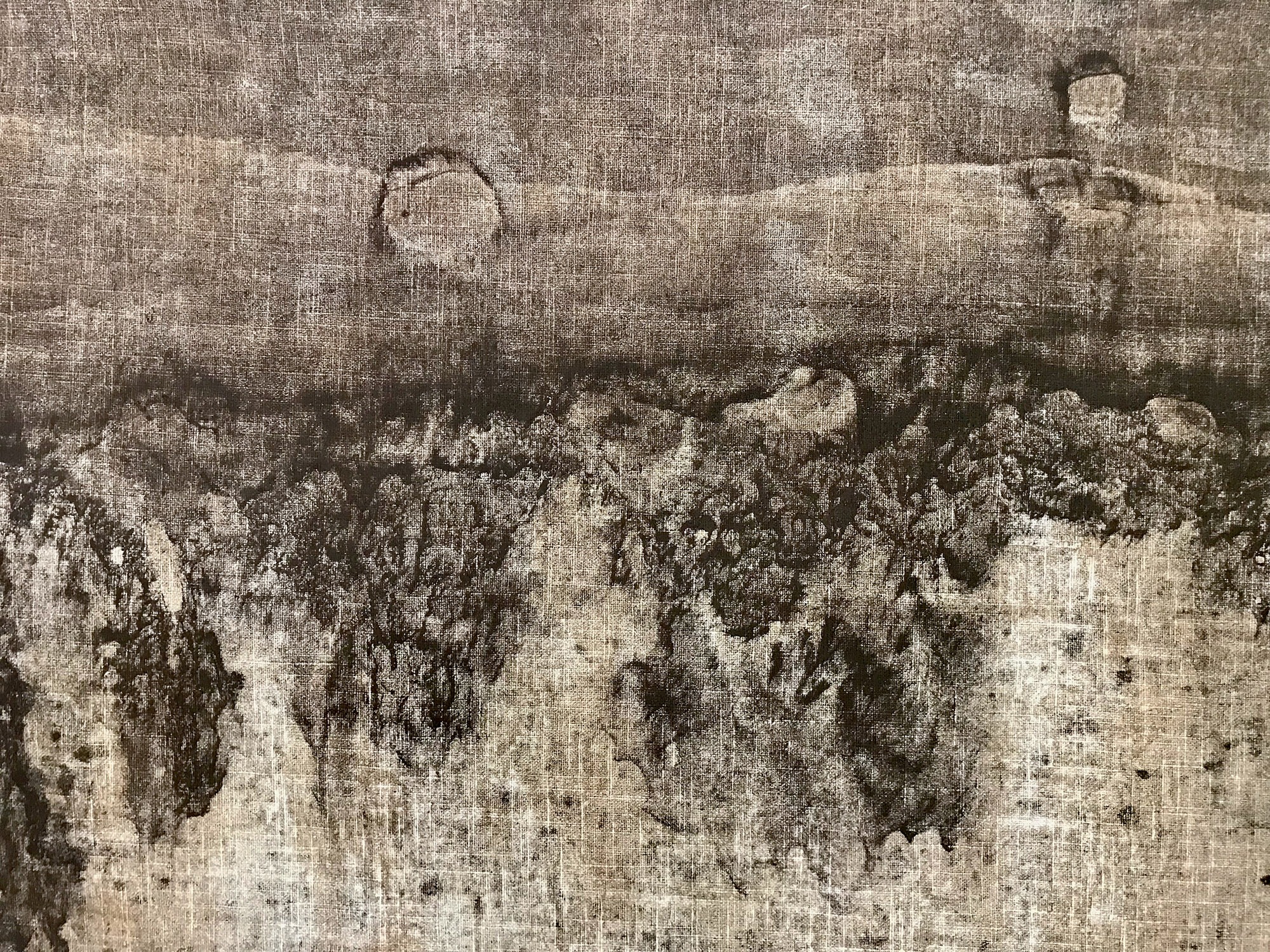
‘Settling’, detail
What are the most useful items in your studio?
Most useful? That’s a hard question to answer as it’ll depend on what I’m doing. There are mundane but vital things I couldn’t live without; work surfaces, storage, the sink, mixing pots, measuring spoons, a stick blender for grinding soaked soya beans for soya milk, my pigments, my cloth – all of these are a given as I couldn’t achieve much without them.
In terms of other items, for wet work I enjoy using a wide variety of brushes – some adapted for specific purposes. Thread is paramount for use as thieves/resists and for hand stitch. I have a ridiculously large collection of thread, housed in see-through storage boxes – looking at them gives me the thrill of a small child in an old-fashioned sweet shop! A good selection of needles is also vital for different thread weights and I love my small, black sewing scissors from Merchant & Mills.
My most precious item is a pretty large collection of antique, French bed sheets – I use these with care and only once I’m pretty sure I can get the result I’m seeking. I use them with raw pigment and soya, and I love to hand stitch them. I often think about the previous owners, the use and care they’ve had.
Which three words would best describe your studio?
A light-filled space of solace, sanctuary and going within.
What are you looking forward to in the coming months?
I’m looking forward to my various teaching events – particularly Clayhill Arts, as I know how passionate and committed Clayhill are to all creative processes. Their superb transformation of a derelict farm is an inspiration in itself. Knowing we can work with local soil, directly on the ground, on concrete slabs, on bits of wood, without fear of complaint about the resulting stains is fantastic. It’s a joy to work in a beautiful, residential retreat space as work and discussion can continue into the evenings… and no one has to think about meals. Luxury!
Claire Benn will be leading a three day course, ‘Out of this Earth: Working with earth pigments, soya milk & textiles’ at Clayhill Arts in Somerset July 9 -11. Further details and booking information can be found at Clayhill Arts