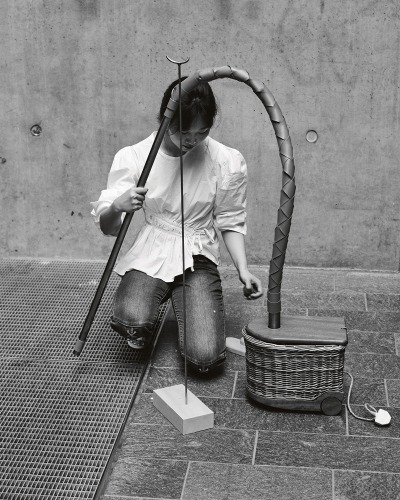
Take the chair...
Interview Jaya Modi
Photographs Matteo Guarnaccia
You might think of the chair as just an ordinary piece of furniture. But for designer Matteo Guarnaccia, it is the subject of an indepth global anthropological study. He takes us around the world in eight chairs to discover its social and cultural significance…
The chair is a ubiquitous and often overlooked piece of furniture. However, for Sicilian-born Barcelona-based designer Matteo Guarnaccia, it has become the focal point for a fascinating study. Cultures across the world have seen the chair evolve in terms of material and design and the meaning of its use. It is these differences and developments that Guarnaccia examines through his Cross Cultural Chairs project.
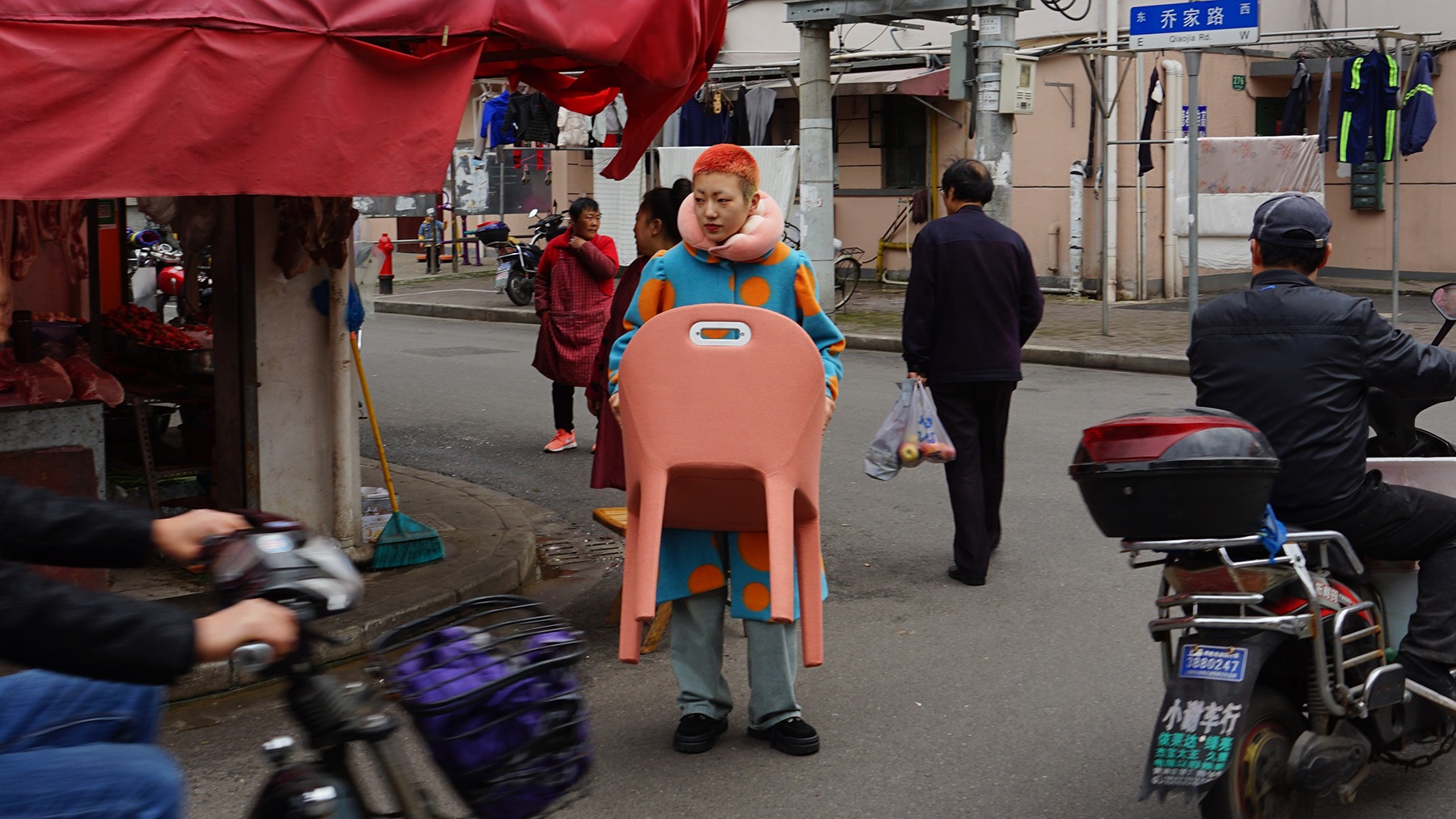
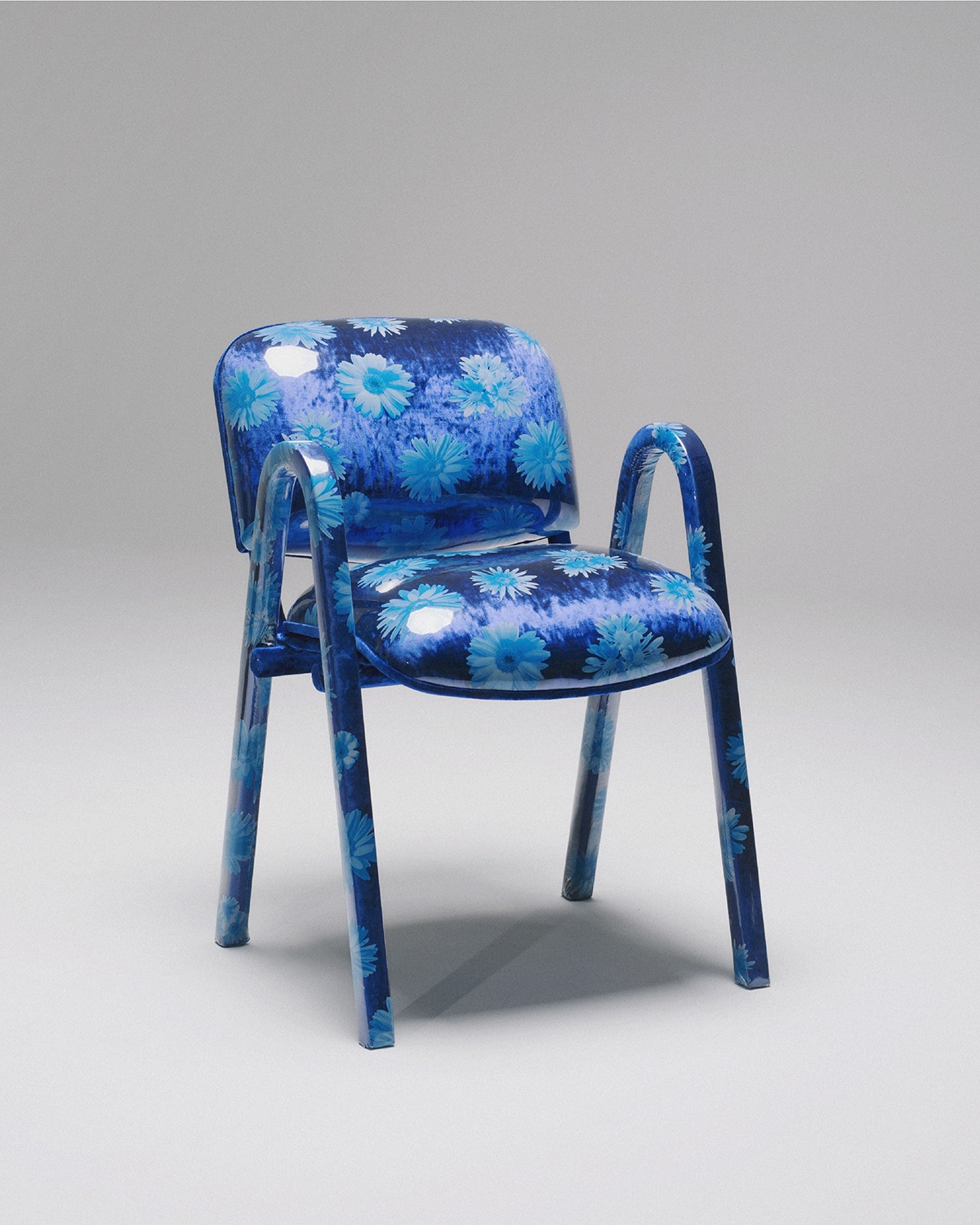
Top Image: The CHINA chair aims to assign new value not just to the menial plastic chair but also to the common adage ‘Made in China’, and its association with cheap and low-quality mass production
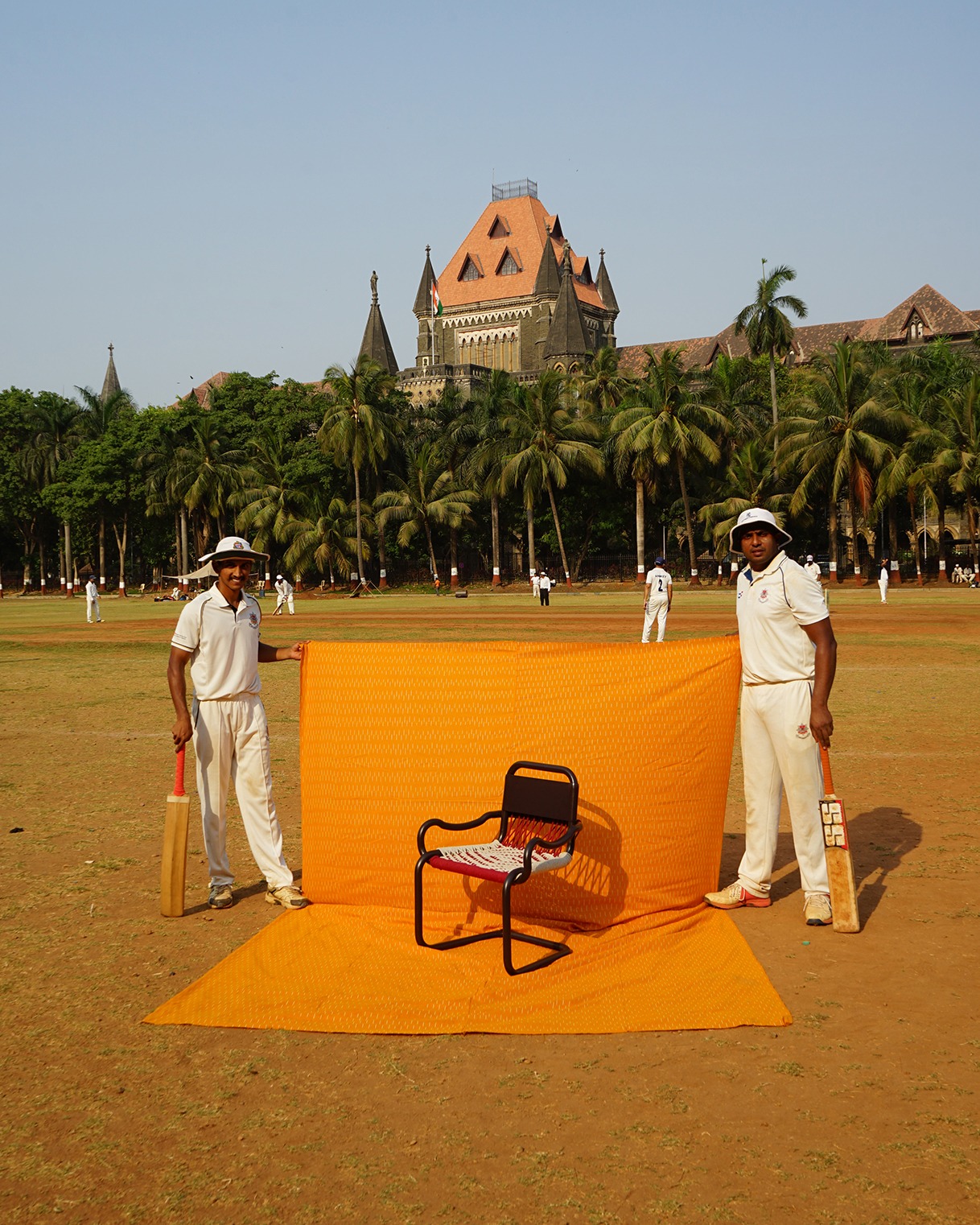
The INDIA chair is an iteration of the cantilevered CH-4 chair – a chair that was originally designed in Germany and produced in India. It also comes with a leg rest, tapping into the cultural nuance of Indians always crossing their legs, even on chairs
Cross Cultural Chairs takes you around the world in eight chairs from the most populated countries – China, India, Russia, Nigeria, Indonesia, Brazil, Mexico and Japan. Looking at the chair through the mediums of design and anthropology, Guarnaccia questions every aspect – materials used, means and ethics of production, cultural significance – involved in its construction. Hole & Corner sat down with him to find out a bit more about his research.
What was your thinking behind Cross Cultural Chairs?
Cross Cultural Chairs is my personal research into different countries, to understand the importance of local culture during the design process.
Why did you begin the project?
Before Barcelona and Madrid, I lived in Los Angeles and Sicily. I am lucky enough to have travelled to more than 40 countries over the years. My parents met in Yemen and since then they never stopped travelling the world, it’s something that I share with them and my brothers. I am sure that if I had grown up in a different context, maybe in a nursery garden, my work would have been related more to plants than to humans.
During the research phase of my thesis project, I realised the importance of the context in which a project is placed. I was looking for a solution for the transportation of patients in the rural areas of the east side of the Congo, with Doctors Without Borders. I understood how critical the relation of an idea is with its surrounding context. From there I started to be curious about the importance of local cultural aspects and how they are changing in a globalised and uniform scenario. Are we consuming/creating a homogenous design displaced from its local context?
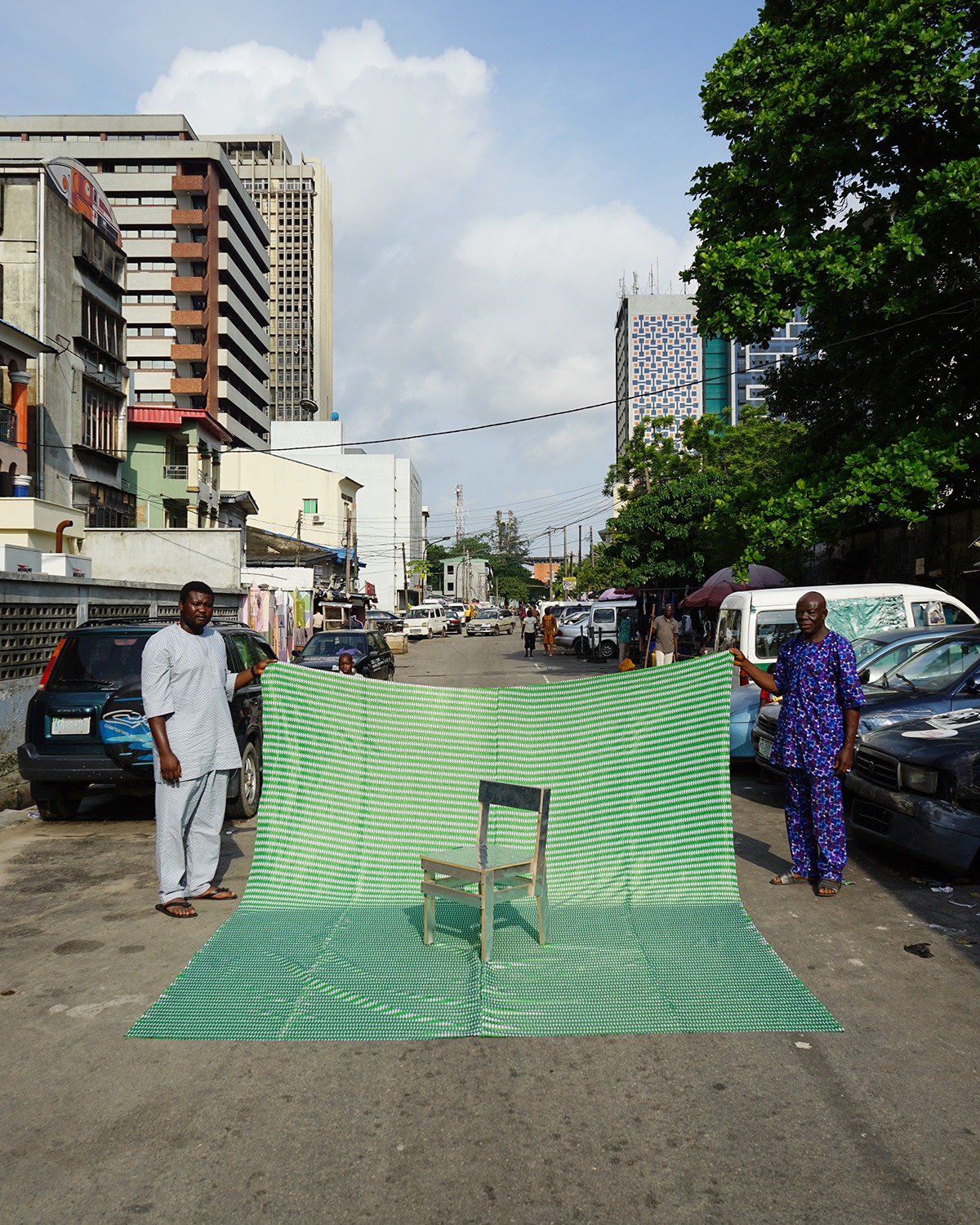
Inspired by the local aesthetic of street furniture made around Lagos, the NIGERIA chair has been designed so that it can be reproduced in an open-source format by local carpenters
Describe the cross cultural journey of one particular chair that had a significant impact on you
Every experience behind the eight chairs was quite different, taking into consideration food, social relations and of course the surrounding context. It was really interesting to me to become involved with the production realities of the workshops or factories and realise how the cultural aspects were directly reflected in how they worked, and in what they were making.It was quite impressive to realise the different perceptions of the concept of handmade around the world.
For me, coming from Italy, the idea of something handmade is the highest quality that can be achieved, very similar to Japanese culture. There I had the pleasure of meeting Takumi Kohgei, one of the oldest carpenters in Hokkaido, working on the Cross Cultural Chairs Japanese chair. On the contrary, in Mexico, when I started to talk about a handcrafted production, the reaction was surprising. It is considered as one of the worst qualities of products that you can have. This is changing since the worldwide concept of the local artisan is becoming a trend, but still far from being an accepted perception for the Mexicans.

The RUSSIA chair (above left), reinterprets the common office chairs in Russia to better understand and represent the classic post-Soviet aesthetic
The zaisu (above right) is a traditional Japanese chair without legs, used on top of tatami mats. Following the classic, simple aesthetic of the Japanese, the JAPAN chair focuses on the quality of production, technique and artistry
What have you learnt from the project, and what are you hoping we can all learn?
I cannot list all the things I have learnt, not just about chairs and design, but about life. It has been a project that I have been experiencing day and night, for eight months straight. This journey gave me the possibility to understand the perception of design, and particularly on a chair, across the world. I understood the importance of putting an object in context of its use and target, which is something that is disappearing in our globalised society.
Where does it go from here?
I have just published a book with Onomatopee about the project. Together with Albert Romagosa, a graphic designer from Barcelona, we managed to find a balance between a travel diary and a design book. Now I am working in Kazakhstan, understanding the relations between humans and horses and trying to place the horse saddle in between nomad and static cultures. Covid is not making the planning easy, but we are working on it. I am also planning a series of exhibitions to show the chairs and the process behind them in a documentary with Michele Foti, from Milan.
Cross Cultural Chairs: 8 chairs from 8 countries diversifying modern seating, by Matteo Guarnaccia, is published by Onomatopee; crossculturalchairs.com