Culture Club
WORDS EMMA O’KELLY
PHOTOGRAPHS MAIJA ASTIKAINEN
Despite its jokey connotations of naked Scandinavians rolling in snow and beating themselves with birch twigs, the sauna is a serious matter. Long revered for its therapeutic powers, it has now earned itself UNESCO status in Finland.
Finnish word löyly has no translation in English; it’s a certain type of steam, not regular kettle steam, nor ordinary sauna steam, but rather a particular vapour – indeed, the finest – that rises when cold water is thrown onto hot stones in the sauna. In Finland, its curative power is unquestioned. In its midst, psychological woes dissolve, physical aches and pains are remedied, conversation is restored and business deals are sealed.
Last December, UNESCO added the Finnish sauna to its List of the Intangible Cultural Heritage of Humanity. Each year, this charter identifies around 500 esoteric traditions and rituals ranging from hand weaving in Egypt to grass mowing competitions in Bosnia and Herzegovina, and declares them in need of protection. The listing came about with the aid of the Finnish Sauna Society, a members’ group of 4000 aficionados who operate from the Vaskiniementie sauna complex in Helsinki. Here, bathers in white towels point out that there are around 5.5 million people in Finland and 3.2 million saunas, all of which, along with the craft and know-how it takes to build and maintain them, are extremely valuable to their country’s cultural identity and heritage.

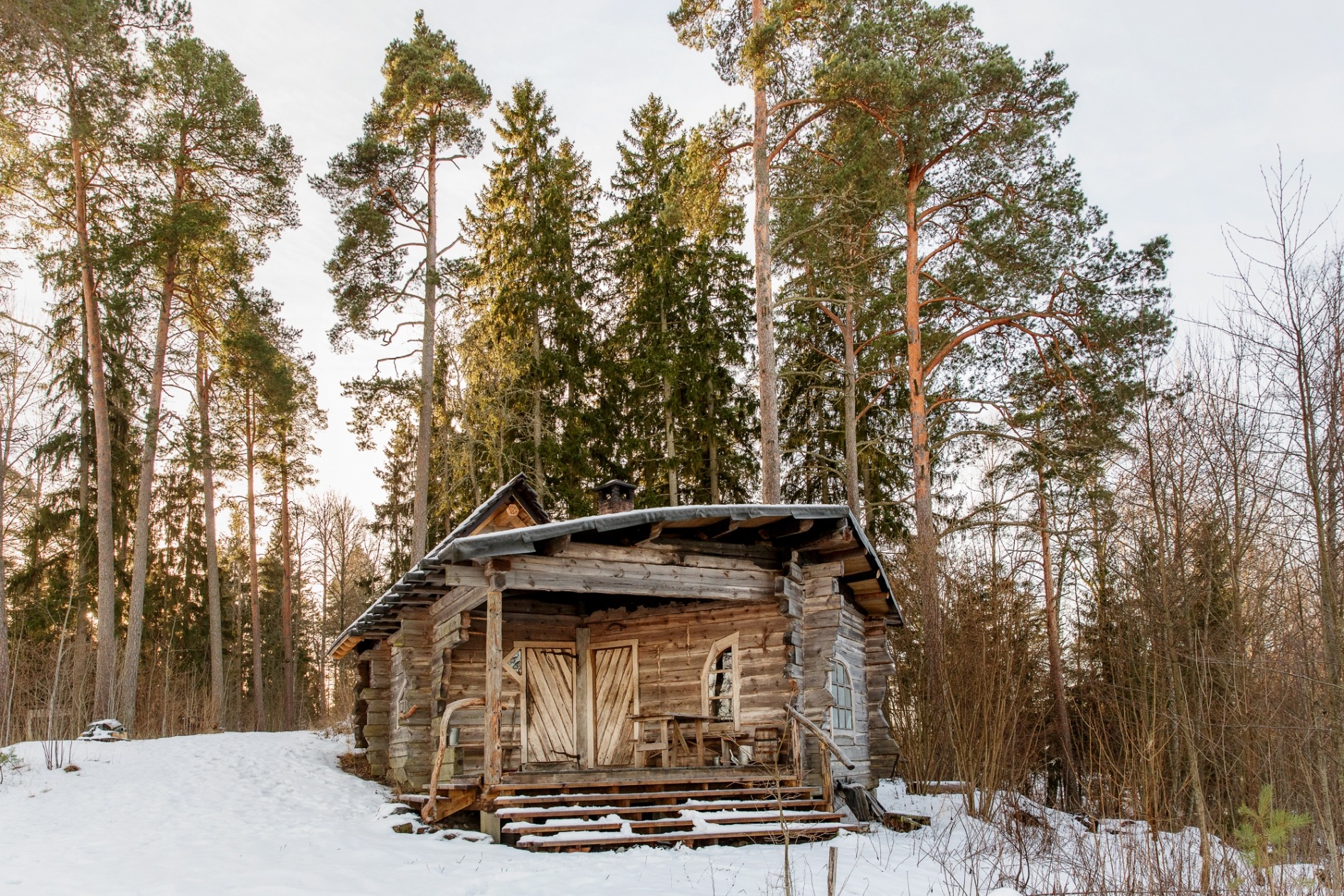
The sauna in Fiskars village, Raseborg, was built by the villagers themselves in a unique but traditional style
Finns of every age, background and occupation indulge in the sauna’s therapeutic powers. Apartment blocks, hotels, army barracks, building sites, even ferries and trains, come with a communal hot house. On the Finnish archipelago, a lace-like scattering of 40,000 islands, saunas resemble chic wooden huts that evoke escapism in its purest form; in the wilds, they’re often ramshackle sheds, rigged up, ad hoc, by a band of locals. City saunas double as date-night hang outs, cultural hubs or counter culture squatter huts, like Sompasauna in Helsinki, built and run by local volunteers. Almost 90 per cent of Finns have a sauna at least once a week, usually in the early evening (traditionally this would have been on a Saturday; aamusauna, a morning sauna, is more unusual, but better for that), and for many, the childhood sauna at grandma’s summer cottage is the one by which all others are measured.
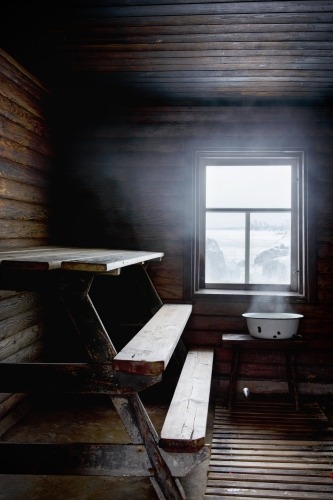
Finland’s first sauna, recorded around 1,000 years ago, was little more than a pit dug into a slope, with a heap of heated stones in one corner. The dug-out soon developed into a windowless wooden hut with an earth floor, no chimney, and a wood burning stove. This traditional type of smoke sauna is romanticised by connoisseurs. Its sooty walls and deep, smoky smell, and the hours of wood burning required to achieve them, are sacrosanct.
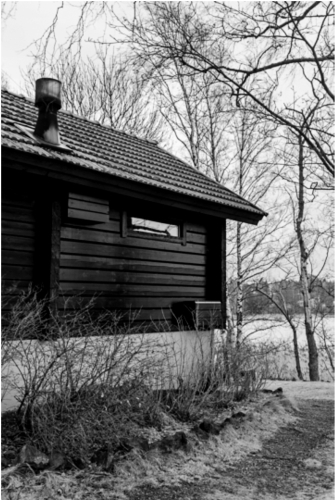 Vaskiniemi sauna in Lauttasaari, Helsinki
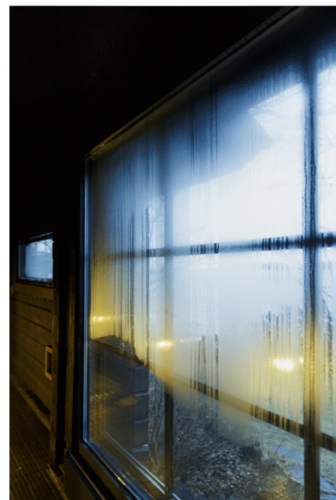
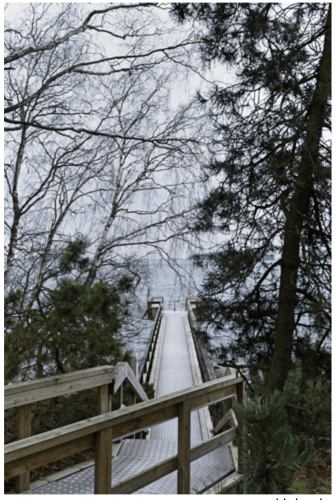 The walkway leads directly to the sea
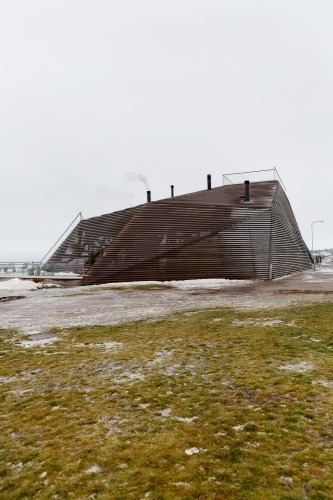
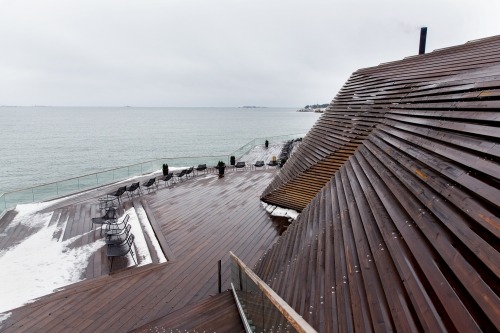 Löyly sauna was designed to resemble a rock, to blend in with the natural surroundings
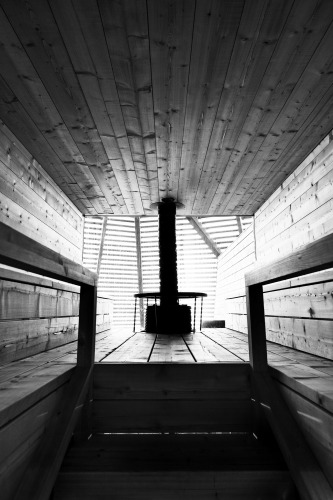 Löyly sauna is located in Helsinki
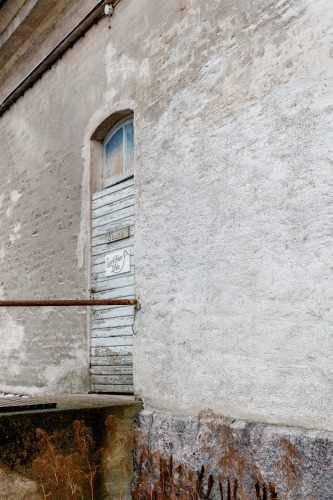 Lapinlahden Lähde sauna in Helsinki
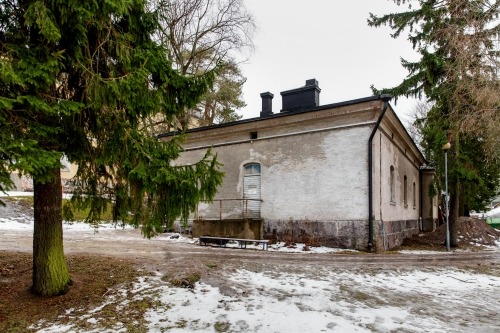 Lapinlahden Lähde sauna claims to be Helsinki’s oldest functioning sauna
‘It’s the best,’ says Finnish designer Aleksi Hautamäki. ‘The smell, the super soft löyly that rises when you throw water on the hot rocks.’ Hautamäki is building his own smoke sauna on Skjulskäret, the private island that he owns with his partner Milla Selkimäki. It is the latest addition to their summer cabin and wood-fired sauna, which, as soon as the sea thawed, became their pandemic getaway. ‘We would sit in the sauna every evening and look out to sea, spotting seals, swans, eagles and the odd swimming deer.’ With its large windows, high ceilings and gabled roof, his 10m sq sauna is unusually large and open. ‘The löyly is softer when the ceiling is higher,’ explains Hautamäki.
Perfect sauna conditions require a temperature of 70-100 °C, (optimum 80°C), regular whooshes of löyly, a supply of birch twigs with which to beat oneself (to aid perspiration and circulation), and a cold body of water, or a pile of snow, in which to plunge, because cooling off is as important as warming up. And because this hot-cold-hot routine is addictive and life-affirming, it is usually celebrated with a beer or two.
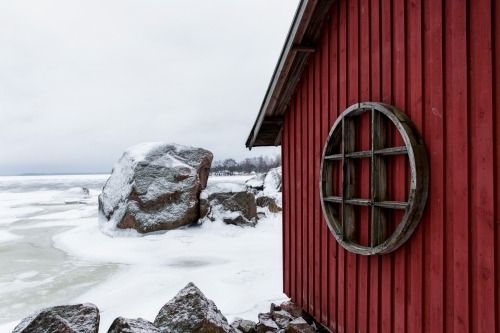
For centuries, Finns referred to their sauna as the poor man’s pharmacy. Folk healers practised their dark art in its murky aura, casting spells, cupping, massaging and chanting away evil spirits. Babies were born in its herb-infused vapours and new mothers would recover in its warm embrace. ‘Having a sauna is a totally natural thing to do. We are born to it,’ explains Helsinki-based designer Tero Kuitunen. His family’s holiday cabin on the island of Kotkansaari, has a 1920s sauna that sits right on the water. ‘It’s magical and primal and the only place where I can truly relax,’ says Kuitunen, who does not let Finnish winters, which regularly drop to minus 20°c, deter him from his sauna ritual. ‘I have to saw through 30cm of ice to create a plunge pool,’ he says. This he does with an axe and a hammer since he doesn’t own the specialist drill that fishermen use.
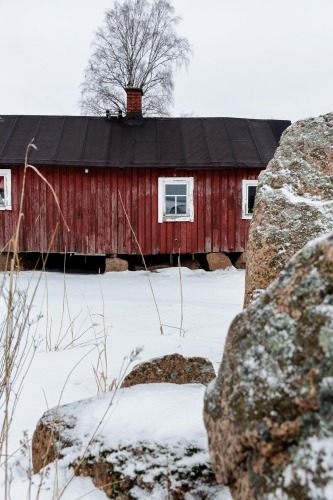
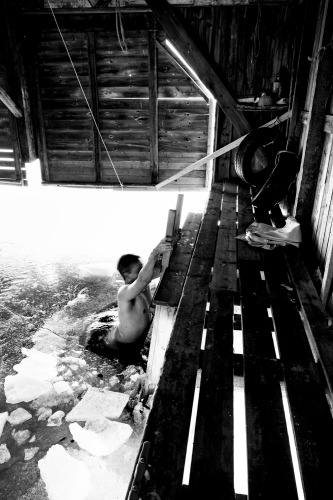
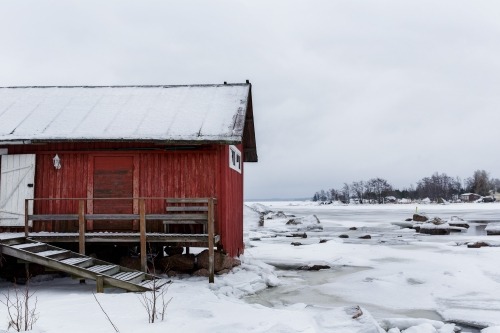
Designer Tero Kuitunen emerges from the ice at his 1920s sauna, which sits right over the water at his family’s holiday cabin on the island of Kotkansaari
By-passing the inconvenience of having to saw through the ice yourself, Helsinki saunas Vaskiniementie, Löyly, Kultuurisauna and a host of others, cut their own bathing holes into the Baltic Sea. On their jetties and café terraces, bathers of all ages cool down or warm up all year round. Löyly is a striking wooden sauna with a fine dining restaurant that has transformed the city seafront; at Kultuurisauna, boiled eggs, pickles and vitamin boosting sea-buck thorn shots, rather than alcohol, are snacks of choice. Etiquette varies. At the former, groups gather to chat and drink, at the latter, silence is preferred. Time slots are often gender-based, nudity is optional (though swimwear is encouraged in public and hotel saunas) and discretion, respect and modesty go without saying – although it’s not uncommon to see steaming bodies draped in skimpy towels sipping beers by the roadside.
Nothing sums up the Finnish spirit quite like Sompasauna. Illegally constructed from found materials on a derelict plot in Helsinki harbour in 2011, what started as a grassroots sauna has evolved into a movement. Free for everyone, it’s open 24/7 and serviced by a help-yourself-pile of firewood restocked by volunteers. Nudity, beers and the threat of demolition are the norm. Since its debut, Sompasauna has been pulled down, rebuilt and relocated no less than six times. Its mix of ancient sauna traditions, talkoo (community spirit) and citizen-driven activism are exactly what UNESCO is eager to protect.
Preorder Emma O’Kelly’s book ‘Sauna: The Power of Deep Heat’
Follow Emma on instagram @emmaokelly10
Read this story in full in Issue 21: Restless