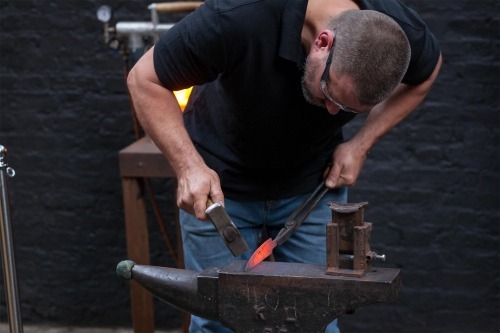
Japanese Ceramicist Eriko Inazaki Wins the 2023 LOEWE FOUNDATION Craft Prize
On Wednesday, it was announced that Japanese ceramicist Eriko Inazaki is the winner of the 2023 Loewe Foundation Craft Prize. Selected by a panel of 13 leading figures from the world of design, architecture, journalism, criticism, and museum curatorship, Inazaki’s work transcends the bounds of its medium.
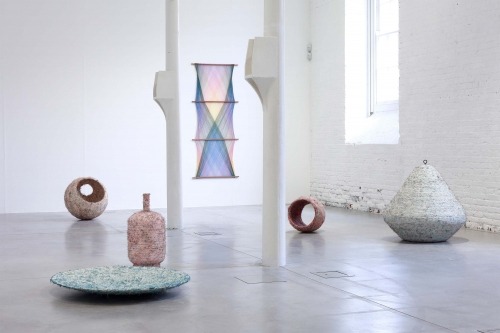
Metanoia, which took over a year to complete, was made by meticulously layering minuscule clay components onto a larger clay core before firing it in the kiln. Hundreds of these intricate ceramic forms have been used to create an almost crystalised effect, confounding our expectations of the material; the piece looks as though it could have formed by nature. The panel admired Inazaki’s exceptional take on ceramic ornamentation and the work’s virtuosity in creating a spellbinding presence that commands the exhibition space and inspires wonder.

Metanoia by Erika Inazaki, the winner of the 2023 LOEWE FOUNDATION Craft Prize
Inazaki was born in Hyogo, Japan in 1972. She graduated from Musashino Art University, Tokyo, in 1995, and completed her MA at the Kyoto City University of Arts in 1997. Since then, she has participated in the Artist in Residence programme at the Shigaraki Ceramic Cultural Park and exhibited in solo as well as group shows. In 2017 she received a Culture and Art Recommendation from Kagawa Prefecture, and in 2018 was awarded the Takashimaya Cultural Foundation Prize and the Grand Prize at the 13th Paramita Ceramic Art Grand Prize. Speaking on her work, Inazaki says, ‘Since I started [making ceramics], I have been fascinated [by] and aware of the ephemeral character and fragility of the material of the earth. It is this sensation of fear of the fragility of the material that, little by little, has allowed me to give shape to my works.’ (from her website).
‘Craft is the essence of LOEWE. As a house, we are about craft in the purest sense of the word. That is where our modernity lies, and it will always be relevant.’ Jonathan Anderson
Since its inception in 2016, the Loewe Foundation Craft Prize has become a leading authority in the fields of art and design. It was founded by the company’s creative director Jonathan Anderson to celebrate technical proficiency and artistic excellence amongst artisans from all over the world. The award highlights makers whose innovation and creativity promise to pave the way for the future of craftsmanship, whilst asserting the importance of making in today’s culture and reaffirming the ingenuity of traditional techniques. According to Anderson, ‘craft is the essence of Loewe. As a house, we are about craft in the purest sense of the word. That is where our modernity lies, and it will always be relevant.’
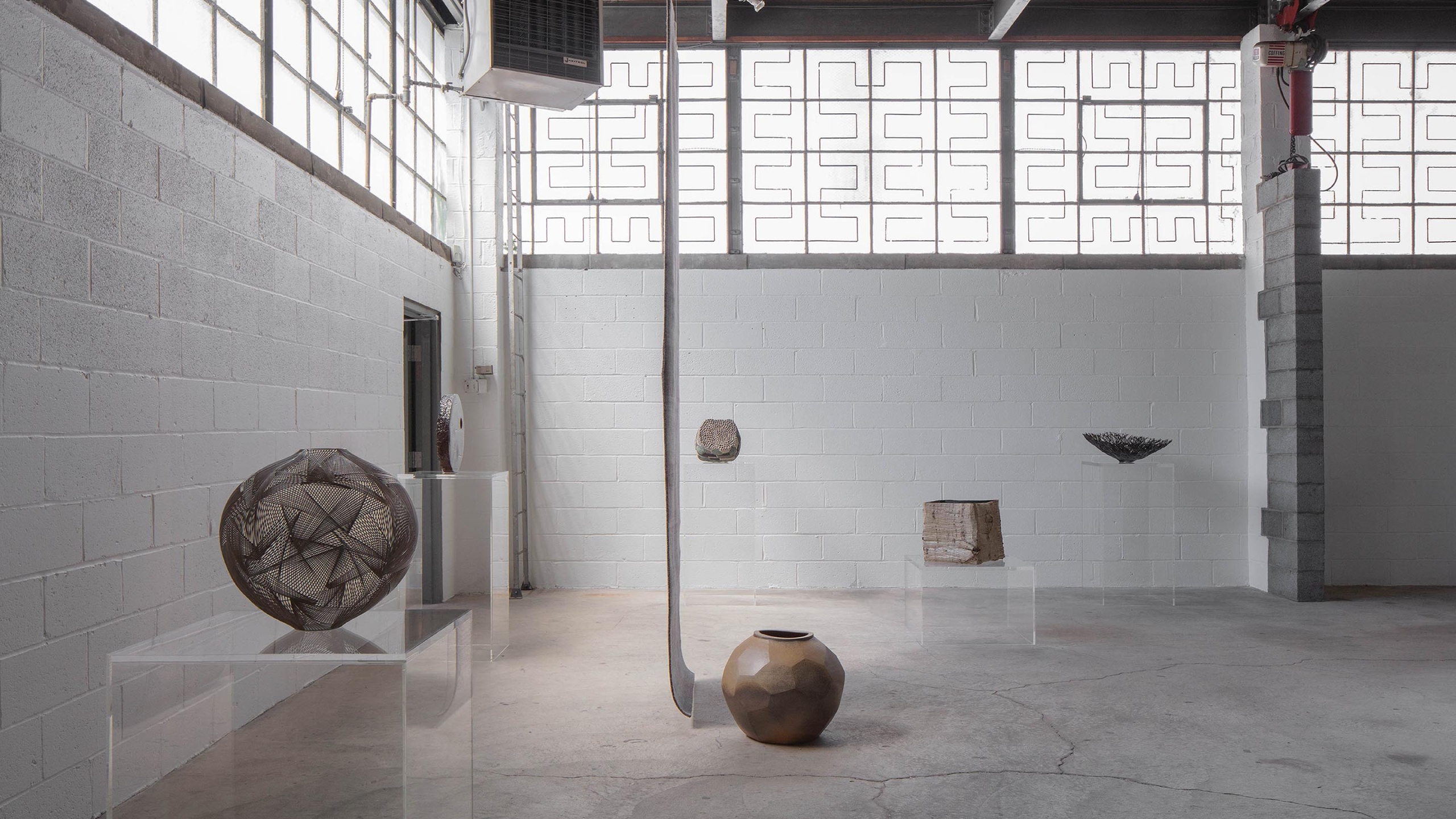 The 30 shortlisted finalists of the LOEWE FOUNDATION Craft Prize Fund will be exhibited at The Noguchi Museum in New York
The finalists were chosen from a selection of 2,700 submissions from artisans representing 117 countries and regions. Their work, which will be exhibited at The Noguchi Museum in New York from May 17 until June 18, spans a range of mediums including ceramics, woodwork, furniture and textiles. The makers’ skillful manipulation of materials is present throughout the exhibition, with works that explore reflective surfaces, convey impossible movement, and defy viewers’ expectations. According to Anatxu Zabalbeascoa, executive secretary of the jury, this year’s criterion saw a greater focus on ‘analysing non-Western cannon aesthetics’ and ‘approaching figurative craft.’ Alongside Inakazi’s Metanoia, there were two special mentions, for Dominique Zinkpė’s The Watchers (Benin), and Moe Watanabe’s Transfer Surface (Japan).

The Watchers by Dominique Zinkpė
The Watchers is inspired by the Yoruba belief that twins hold special meaning and powers. A wooden frame has been crafted from an old canoe and adorned with intricate hand-carved figurines, which recall the Ibėji dolls that are traditionally made by families when a twin dies in infancy. Each statuette is finely carved with individual details, reminding us that every twin has a unique personality. The piece, measuring 1,480mm x 1,330mm x 230 mm, was awarded for its sculptural reinterpretation of traditional beliefs and its expansion of what contemporary craft can be. Zinkpè usually works in a variety of media, including installation, drawing, painting, sculpture, and video. In 1993, he was chosen to represent Benin at the Grapholies exhibition in Abidjan, Ivory Coast, and he was awarded the Young African Talent Award later that year.

Transfer Surface by Moe Wantanabe
In her piece, Wantanabe shows a great understanding of, and respect for, her material by allowing its natural properties to shine through. Transfer Surface is made of one large strip of walnut bark moulded into a simple box shape and then secured with simple stitches, recalling the tradition of Ikebana vase making. Wantanabe collected the bark from the Tohoku region of Japan; her final piece is a tribute to the cyclical turns of the seasons. The jury admired the box for its celebration of the sheer materiality of bark, and its use of rivets, which reference architectural construction and the tradition of mending. Based in Tokyo, Wantababe specialises in creating plant-based works from foraged wood. Inspired by traditional Japanese techniques, she weaves and reworks the wood that she collects into designs with a more contemporary aesthetic.
Some other H&C highlights from the shortlisted finalists:
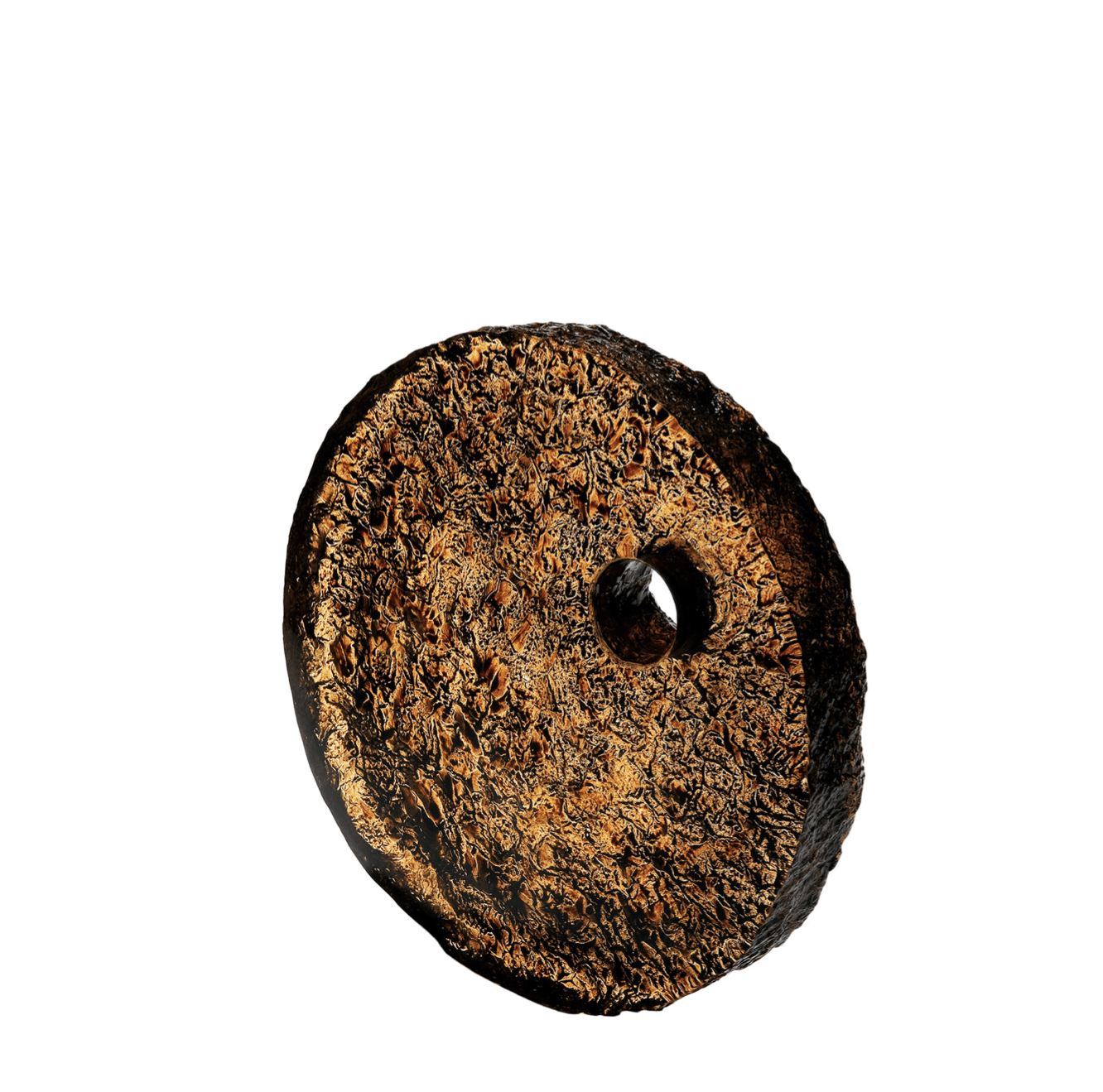 Trace of Time by Kyouhong Lee (Republic of Korea)
This highly experimental work uses glass as if it were clay. Lee has taken techniques traditionally reserved for ceramics and applied them to glass to create an artifact that plays with our expectations of the medium. Lee began working with glass during his master’s degree at Edinburgh College of Art. He currently resides in Seoul, and has shown his work at Milan Design Week and Art Central in Hong Kong.
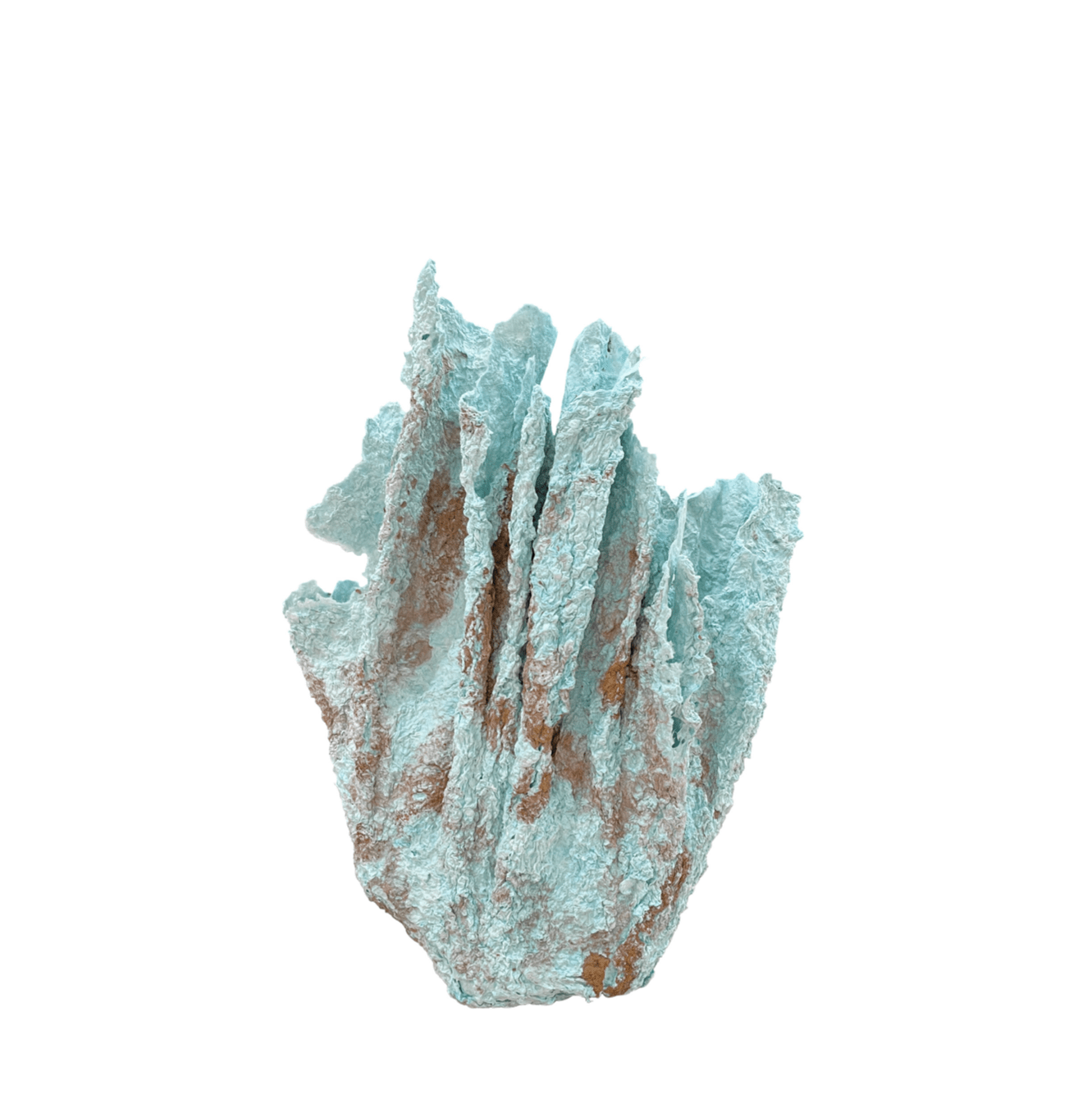
Desert Paper 18 by Aranda/Lasch & Terrol Drew Johnson (United States)
Found materials from the Sonoran Desert in Arizona, including bear grass, yucca, wildflowers, volcanic rock, and agave, have been mixed to create a pulp and draped over stones to produce this vessel. The expressive form evokes movement and conveys the memories of the land from which it was formed. The work is the product of a collaboration between design studio Aranda\Lasch and Terrol Dew Johnson, a Tohono O’odham weaver from Sells, Arizona. Together, they have exhibited their baskets at The Museum of Modern Art NYC, MOCA Tucson, Chicago Biennial, Sarasota Museum of Art, and the Institute of American Indian Arts, among others.
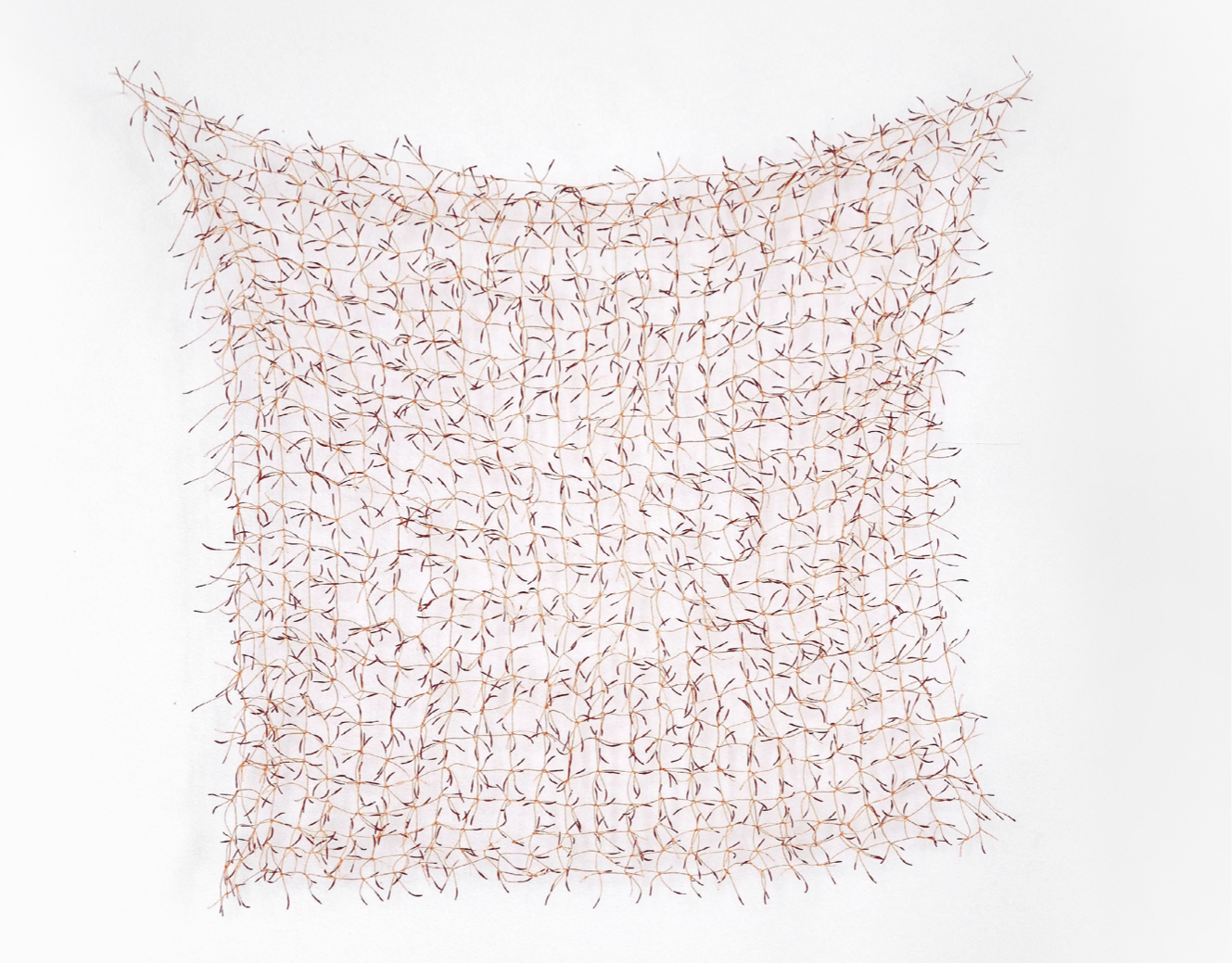 El Retiro by Luz Moreno Pinart (Spain)
This intricate work, which can be said to resemble a textile, has been made by knotting together thin strands of paper. Each knot represents a moment in its maker’s life. Born in Madrid, Pinart studied design and scenography at the École nationale supérieure des Arts Décoratifs in Paris before specialising in textile fibres at the Aalto design school in Helsinki. In 2019 Pinart won a residency at the Villa Kujoyama in Kyoto, Japan; it is here that she learned the techniques used for El Retiro.