The quilting culture of England’s North Country
The Bowes Museum’s latest exhibition is an ode to the old ways, artfully stitched together with a nod to the new…
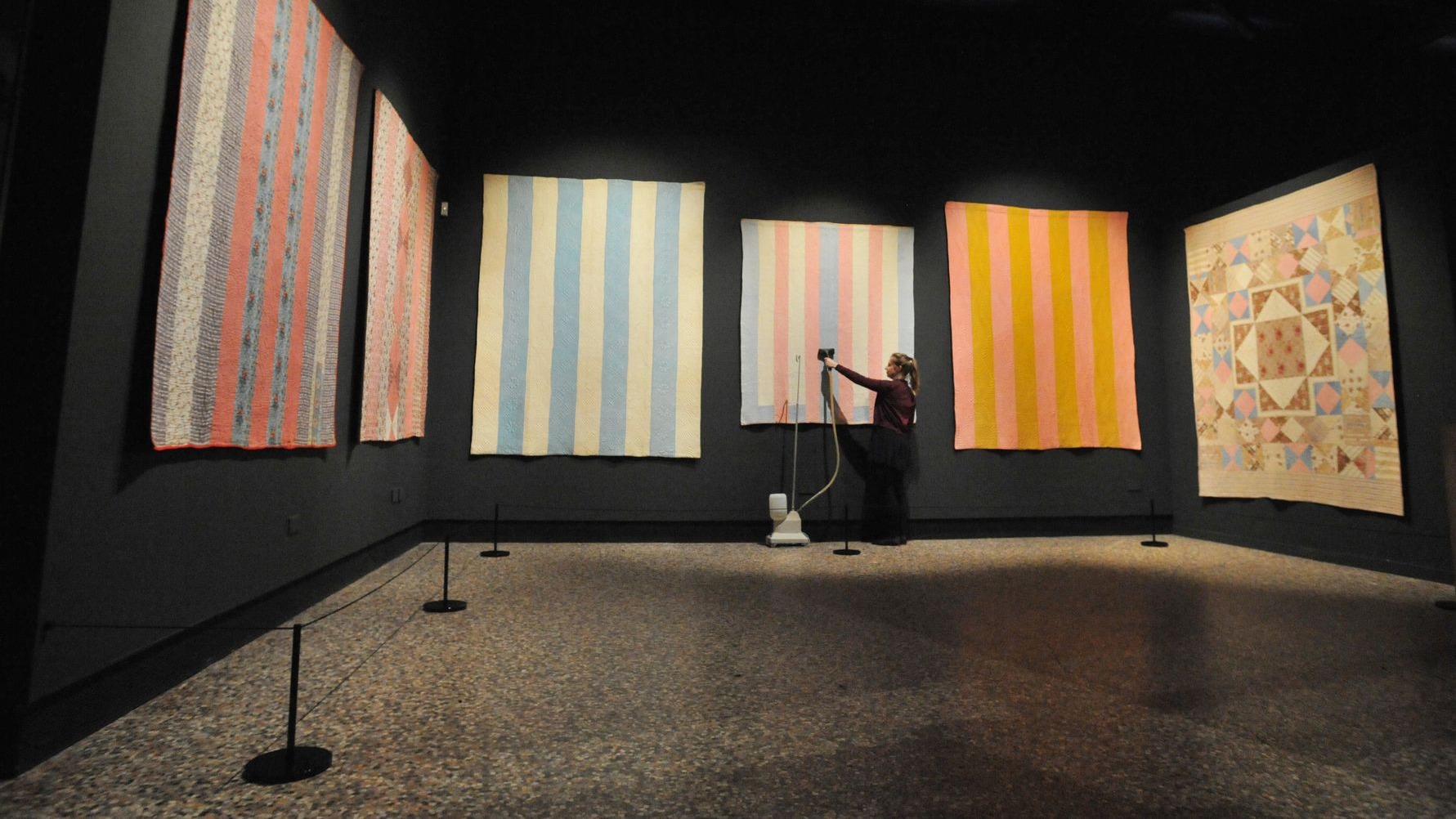
North Country Quilts: In Celebration of New Acquisitions pays homage to a cultural heritage with more than 25 historic and contemporary designs acquired by the museum over the past two decades.
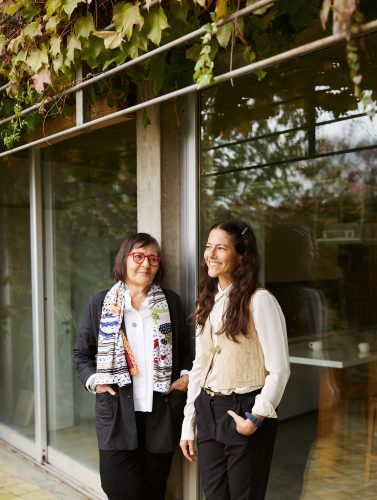
The works illustrate the 200-year-old quilt making techniques found in the counties of Northumberland, Durham and Yorkshire. They were chosen by in-house fashion and textile curator Joanna Hashagen, along with leading voice on British quilt history Dorothy Osler, following the museum’s first exhibition on North Country quilting in the year 2000.
Hashagen and Osler are original in their way of addressing what makes this art form unique to the area. Their selection includes wholecloth, pieced, block patchwork, and strippy quilts, dating from the 1800s through to today. Each quilt is characterised with the sinuous, swirling top stitchery that is a hallmark of its heritage, and every example has been picked with an unparalleled eye for the stories it tells.
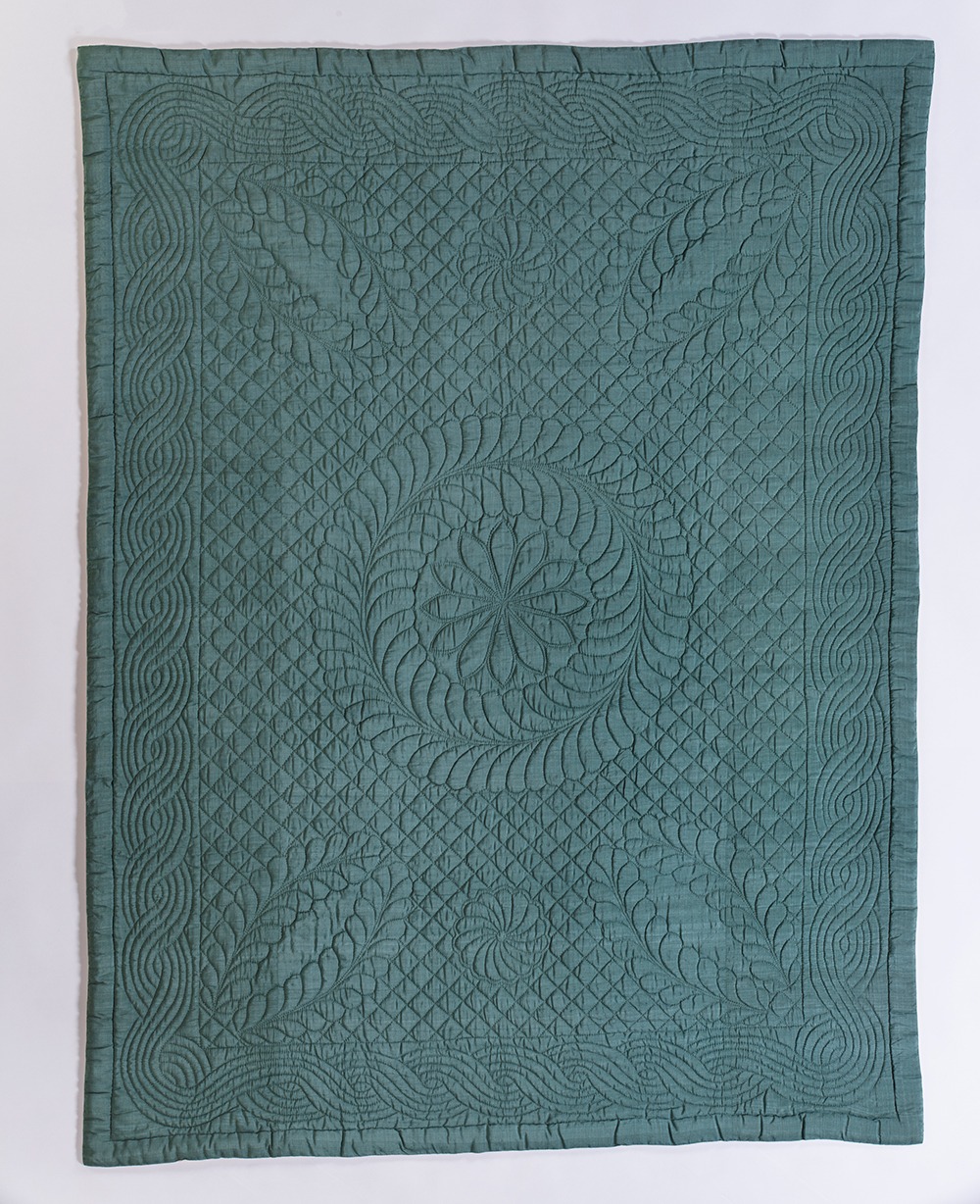
Wholecloth quilt | Made in the Northern Industries Workrooms in Barnard Castle, 1933
One standout piece is a quintessentially cosy !9th-century strippy quilt, made by planning out the surface embroidery patterns along long stripes of alternating fabrics. It’s attributed to the grandmother of Hannah Hauxwell – a County Durham farmer who lived with no running water or electricity in the 1970s and became famous after featuring in a documentary about the conditions faced by local land workers. The piece opens the exhibition, contextualising a craft born in the rural and industrial households of the North.
Then there’s the pink pieced quilt in the Sanderson Star design, following Northumberland quilt maker Elizabeth Sanderson’s popular pattern. As well as being recognised by experts as one of the best existing examples of the style, it goes to show the extensive influence of the North Country motifs, and the fame that came with mastering the craft.
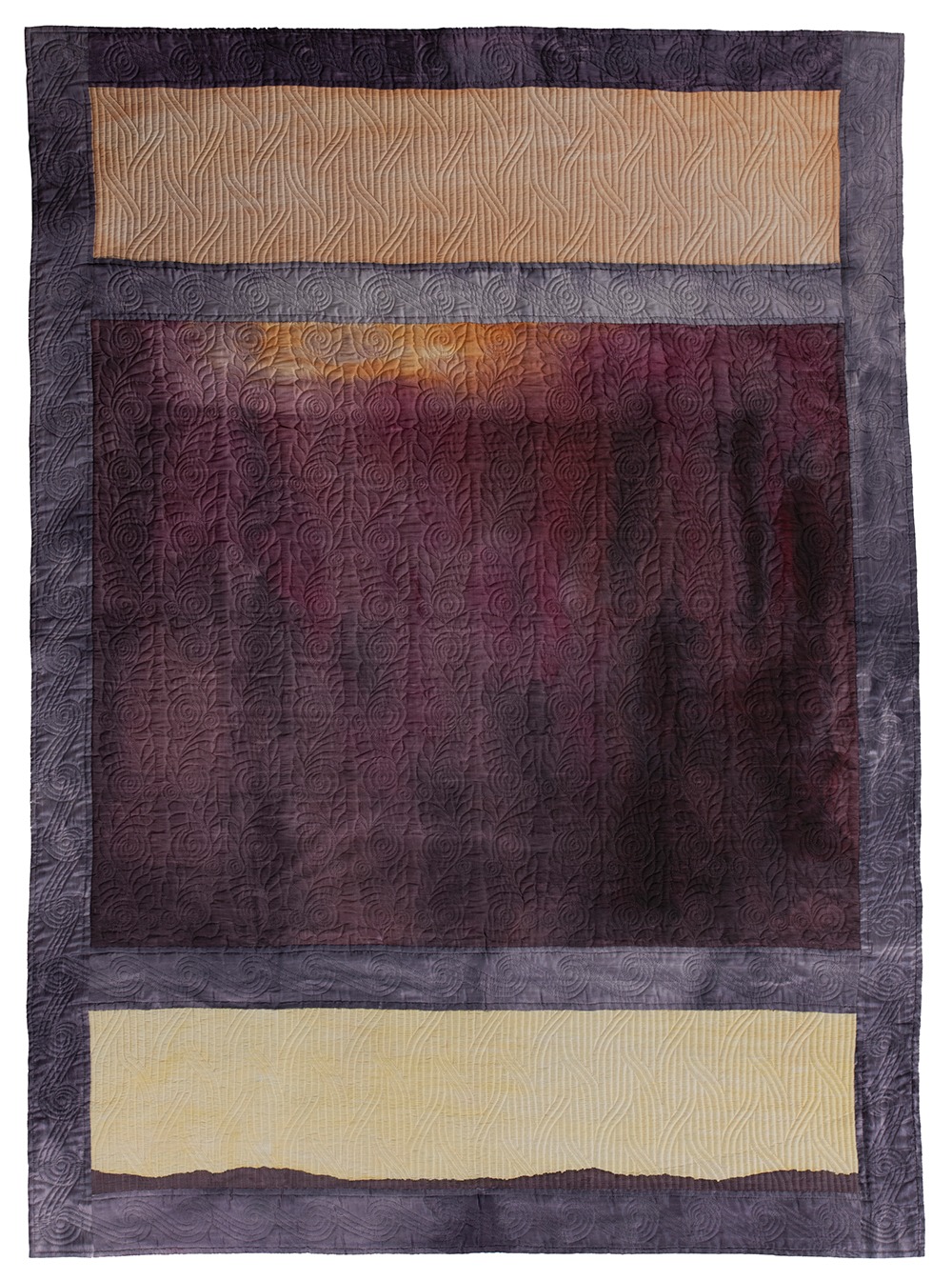
Autumn | Made by Leila Anderson of Durham City, 2003
The contemporary interpretations of Teesdale-born quilter Leila Anderson and Berwickshire-based textile artist Pauline Burbidge form the focal point of the fifth room. While Anderson’s colourful trio of hand-painted silk quilts takes reference from North Country embroidery patterns and the local landscape, Burbidge’s ‘Plantforms’ is decidedly modern and monochromatic. However, the basis of both in regional botany points to how a craft can continue to evolve without losing its connection to the local land, finding new ways to express it instead.
Shown together, the designs old and new question not just how the art form has been shaped by the local people, culture, and nature, but how that art form shapes people and culture in return.
The exhibition closes with a story about community quilting, touching on the sense of belonging that still emanates from the tradition today. It’s time-tested proof of the reciprocal nature of making, and the message is simple: when individuals develop a craft, that craft in turn develops them.