Chinese textile artist Fanglu Lin wins the 2021 LOEWE FOUNDATION Craft Prize
Words Tamsin Blanchard
Photographs courtesy of LOEWE FOUNDATION
Chinese textile artist Fanglu Lin wins the 2021 LOEWE FOUNDATION Craft Prize.
Today, textile artist Fanglu Lin is announced as the winner of the 2021 LOEWE FOUNDATION Craft Prize. Lin, who is based in Beijing, was selected from a shortlist of 30 finalists by a distinguished jury from the worlds of design and architecture, including the director of the Musée des Arts Décoratifs, Olivier Gabet, art historian and El Pais critic Anatxu Zabalbeascoa; the winner of the 2019 Craft Prize, Genta Ishizuka, designer Naoto Fukasawa and architect and designer Patricia Urquiola.
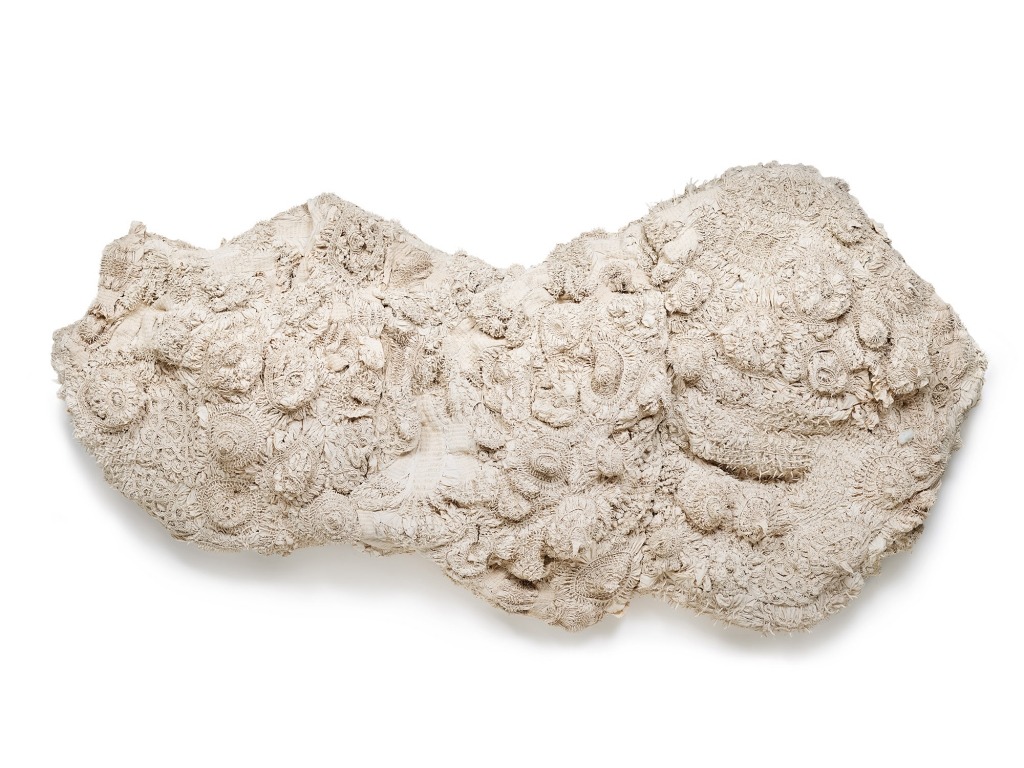
The jury were astonished by Lin’s textile installation, SHE, and ‘its monumental scale and breathtaking skill’. Lin is inspired by the women of the Chinese Bai minority in the Yunnan province and their extraordinary heritage of intricate and ancient tie-dye techniques using natural indigo dye. She is motivated by a desire to preserve fading craft and folk traditions. Lin spent a year researching the craft and living with the women in the village of Zhou Cheng. The way that the women tie thread around the cotton they dye forms the basis of the sculptural forms Lin has created for her large-scale installation for the LOEWE FOUNDATION Craft Prize. For her Loewe piece, Lin spent six months meticulously stitching, pleating and tying the material into tight clusters to create texture and form, as the Bai women do before they dye their textiles. It is extremely laborious work. Indigo has a special place in the local culture. In Yunnan, the parents of a three-day-old baby will dress it in indigo-dyed fabric as in Chinese medicine it has anti-bacterial and anti-inflammatory properties.
‘I’m very grateful to the LOEWE FOUNDATION for giving me this prize,’ said Lin, ‘and to my gallery, Art+ Shanghai, which has supported and encouraged me for the past three years. It’s an important turning point in my artistic career. In the past few years, I have been through many periods of doubts and confusions. Now I have won this award, it gives me energy and will to continue my art, and always remember when I first started.’
This year’s LOEWE Craft Prize spans a whole range of materials and techniques, from fine porcelain and paper to glass, metal and stone. There are two special mentions, for David Corvalán for the work Desértico II and Takayuki Sakiyama for the work Chōtō: Listening to the Waves.

David Corvalán is a metalwork artist based in Calama, in the Atacama Desert of Chile. He uses discarded manufacturing materials to highlight consumer excess. His work for the prize is made from copper wire and resin and it is a comment on the greed of industrial mining and the beauty of nature in spite of the damage we inflict on it. ‘It is very important for me to generate a connection with the Atacama Desert through my work,’ he says. ‘I continuously learn about space and shape with its landscapes, it is impossible not to feel fragile and small in this place. I think it is fundamental in my creative process to inhabit, inhabit the landscape, the body and of course the form.’
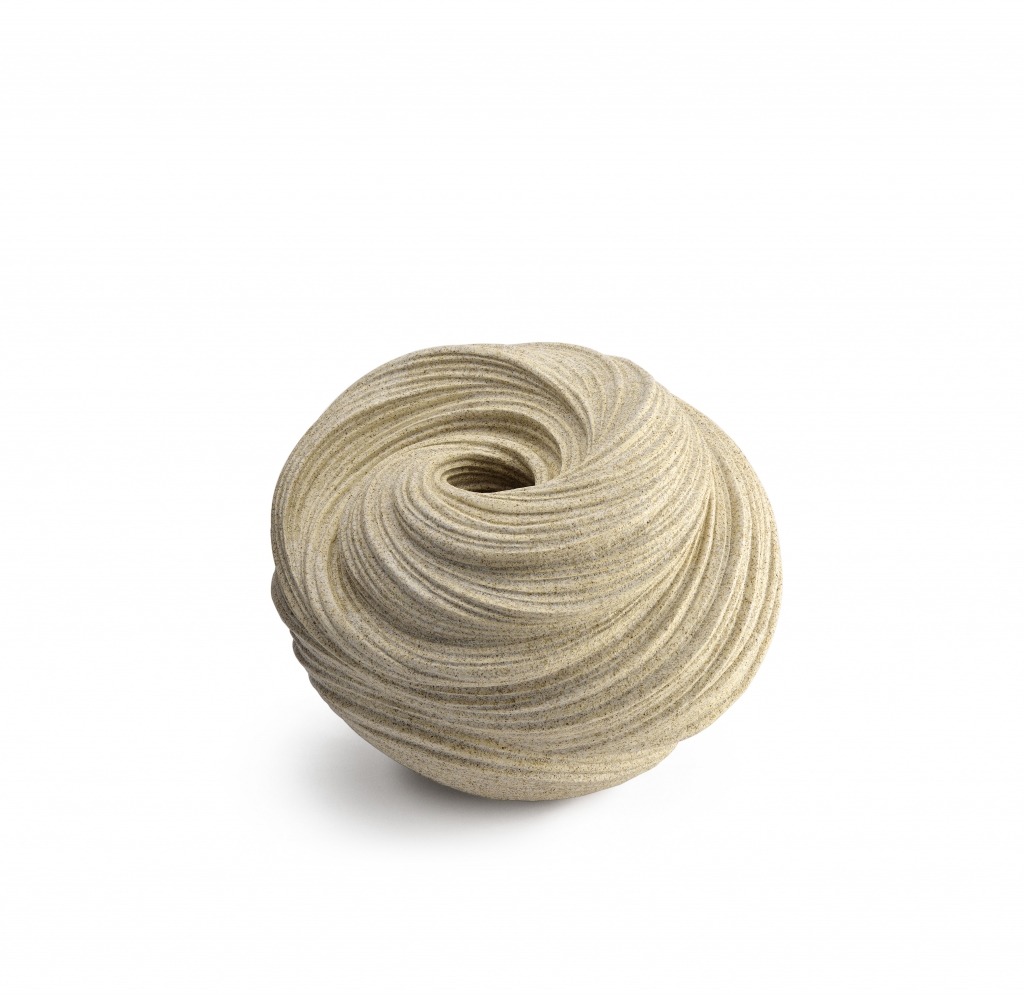
Ceramicist Takayuki Sakiyama’s workshop, in the Izu Peninsula on the Pacific coast of the Japanese island of Honshū where he lives, looks out to the sea, which is a constant source of fascination. His hypnotic, rippling work uses a unique sand glaze. Sakiyama wants to remind us of the power of the ocean. His work is the perfect reflection of his sense of place and yes, just by looking at his work, we can hear the sea.
Jury chair Anatxu Zabalbeascoa said: ‘This year’s prize is more international than ever and the shortlisted works show a conversation across continents and generations, with young and established makers embracing and reinvigorating tradition in surprising and masterful ways. We are seeing works of the highest cultural and aesthetic ambition, inspired by themes that reflect the state of the world. For all this, the plurality and openness of the Prize promises so much today and into the future.’
The finalists were chosen by a panel of experts in 2020 from over 2,500 submissions by artists representing more than 100 countries – the most international edition since the prize was conceived by creative director Jonathan Anderson in 2016. It was conceived to acknowledge the importance of craft in today’s culture – something we at Hole & Corner are also passionate about.
The work of the 30 finalists was selected in January 2020, just before the pandemic put much of the world on hold. Many of the makers are influenced by their local landscape, materials, traditions and nature. Their work will be shown in the Exhibition, a delightful digital rendering of the Great Hall at the Musée des Arts Décoratifs. The space is filled with light and air and feels – almost – as if you are actually there. You can view the detailed manipulations of the work of Fanglu Lin close up, alongside the rest of the finalists from today.
In addition the LOEWE FOUNDATION has launched The Room, an ongoing initiative which will be the first public database of works of contemporary craft. All 115 of the finalists for the Craft Prize from over the past five years will be available to view for a global audience.The Room will allow visitors to see the objects in high-definition 360-degree close-up filming and augmented reality, bringing the objects into your own home and giving access to their galleries to explore their work further.
We are intrigued to take a closer look at all of the work, but the following has particularly caught our eye:
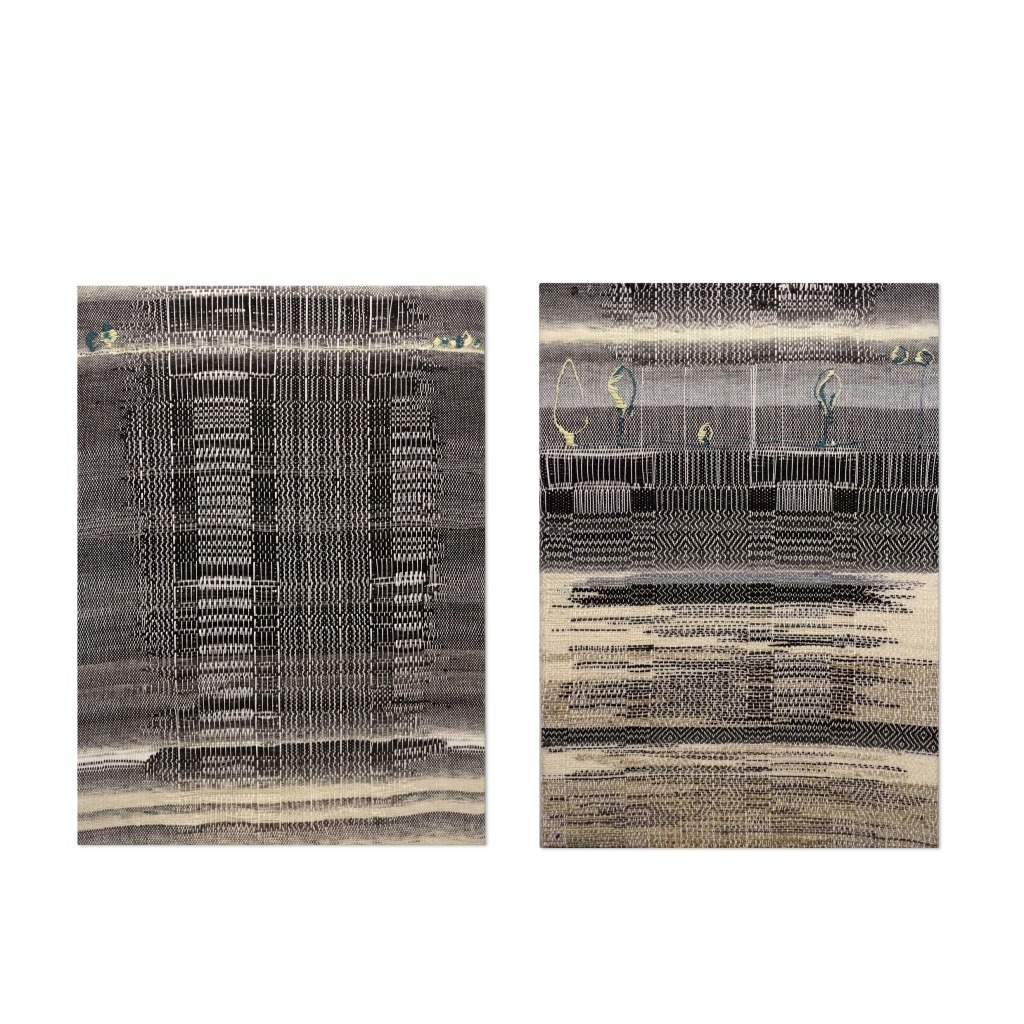
Iranian textile artist Afsaneh Modiramani weaves her evolving feelings about the changing cityscape into her abstract tapestry, A Little Space to Live. There’s incredible depth to Modiramani’s woven landscapes that both preserves craft traditions and keeps them relevant for future generations to enjoy.
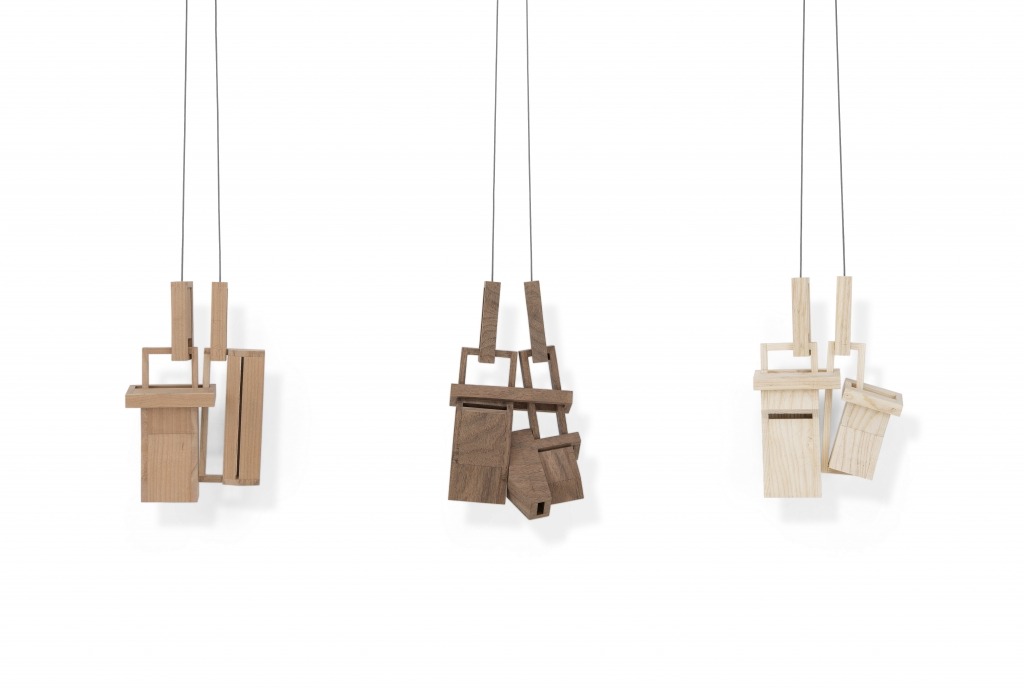
Based in Halifax, Canada, jewellery designer Despo Sophocleous uses long walks as the basis for her necklaces, invoking the embedded history of the city within the wood grain of cherry, walnut and ash. We love the idea of the sound the jewellery makes adding to the resonance of a walk.
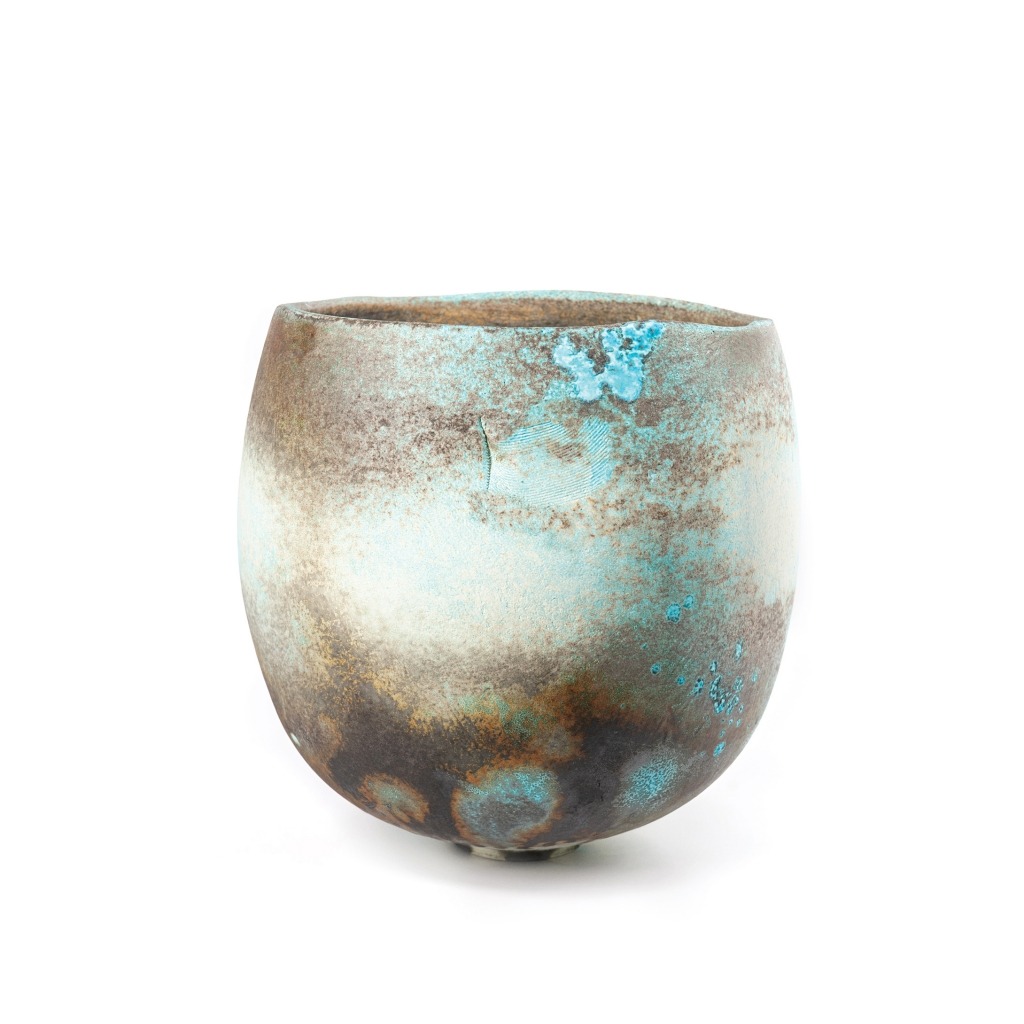
Ceramicist Jack Doherty is based in Mousehole, Cornwall. Intrigued and inspired by the potency of archetypal vessels from prehistory, Doherty poses questions about the changing place of objects once wedded to practical and ritualistic life.

Paris-based paper artist Joël Andrianomearisoa uses The Labyrinth of Passions, a wall hanging in silk and paper, to meditate on Oscar Wilde’s love letter, De Profundis – the impossibility of love, resilience and the ability to survive in the midst of adversity. We are drawn to the dark depths of this work.
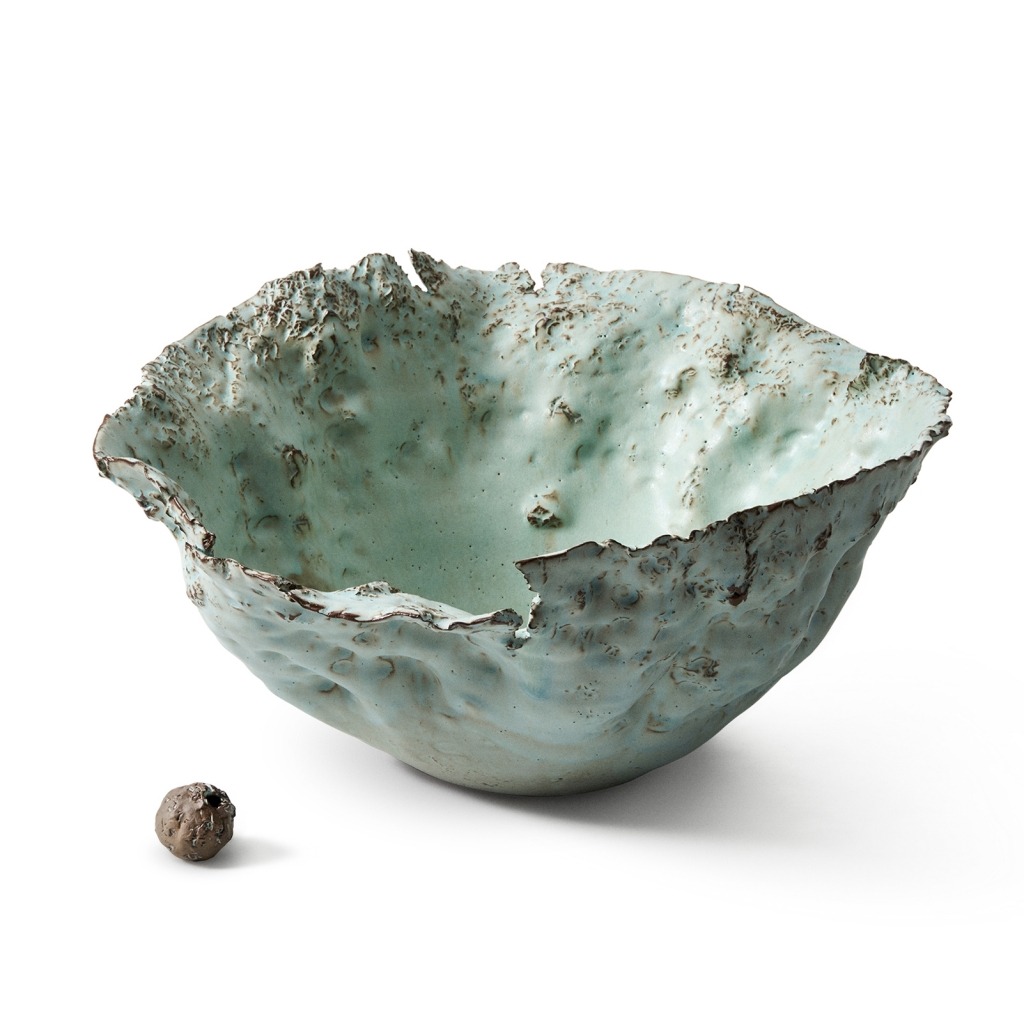
Korean artist Hyejeong Kim uses clay to portray the cyclical essence of the natural universe and the unseen forces that shape our world. Her piece, Carpel: Earth Matters, has an almost supernatural beauty.
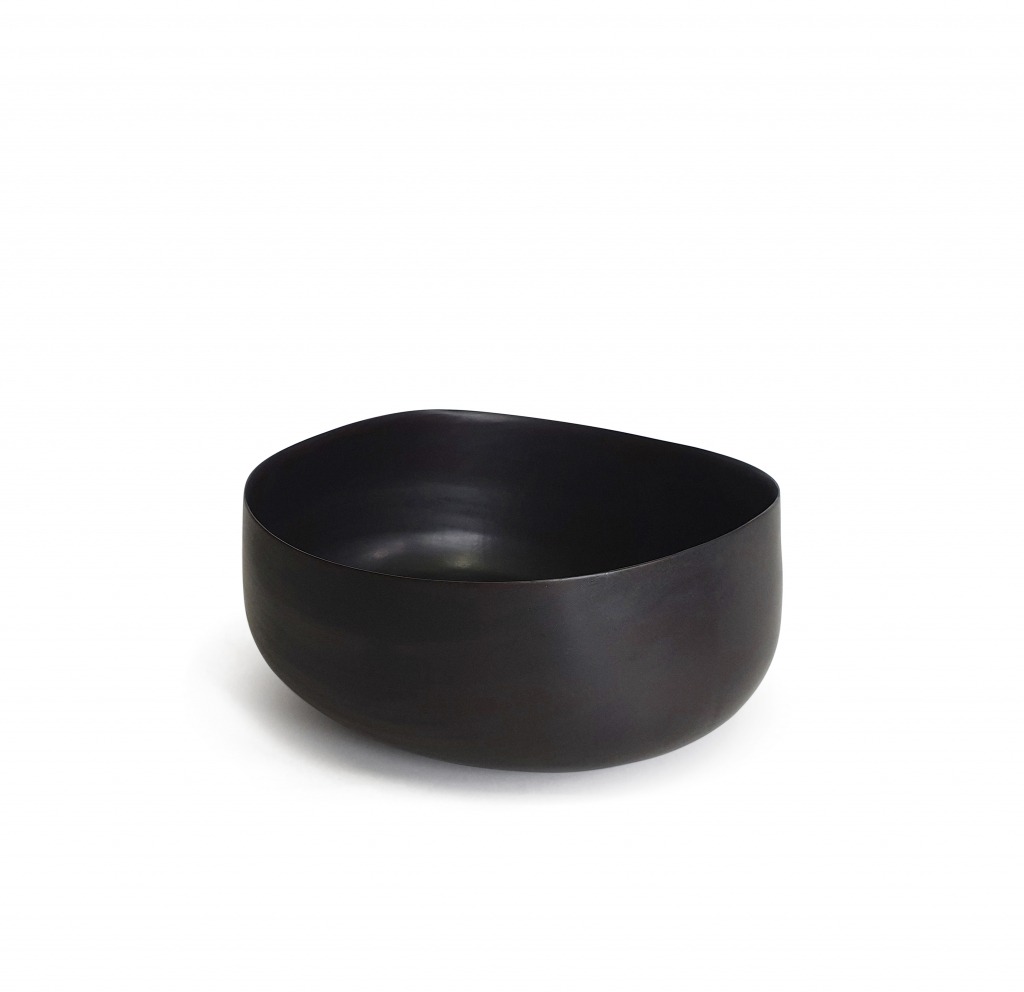
Wood artist Sukkeun Kang is based in Sokcho city, Korea, where he creates sublime wooden bowls. ‘Craft is the art of use,’ he says. ‘I just craft.’ He is motivated by wanting to share the warmth of the natural material with those who use his bowls.
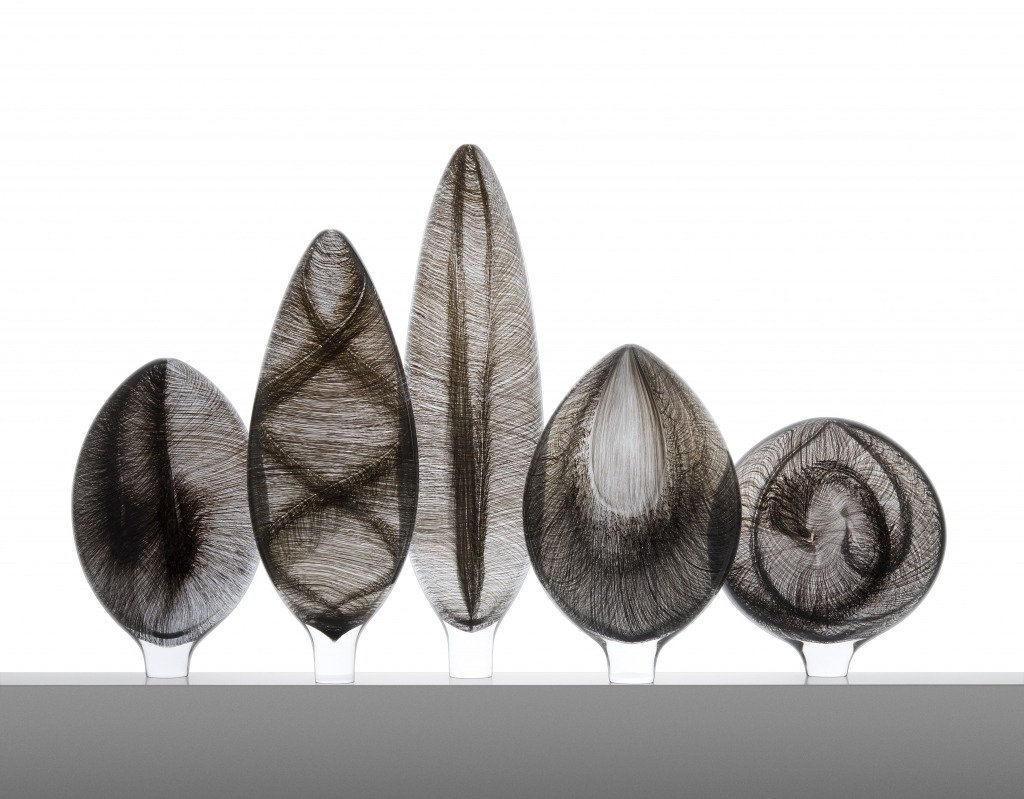
Tobias Møhl is a Danish glass artist based in Ebeltoft, in a studio that used to be used for making fishermen’s nets. He looks out to the sea as he creates extraordinary, ethereal, organic forms in glass and wood.
To register for Hole & Corner’s exclusive tour with director of the Musée des Arts Décoratifs Olivier Gabet…