In the Studio with... Zeba Imam, ceramicist and British Ceramics Biennial Associate Artist
Words and Images courtesy of Zeba Imam
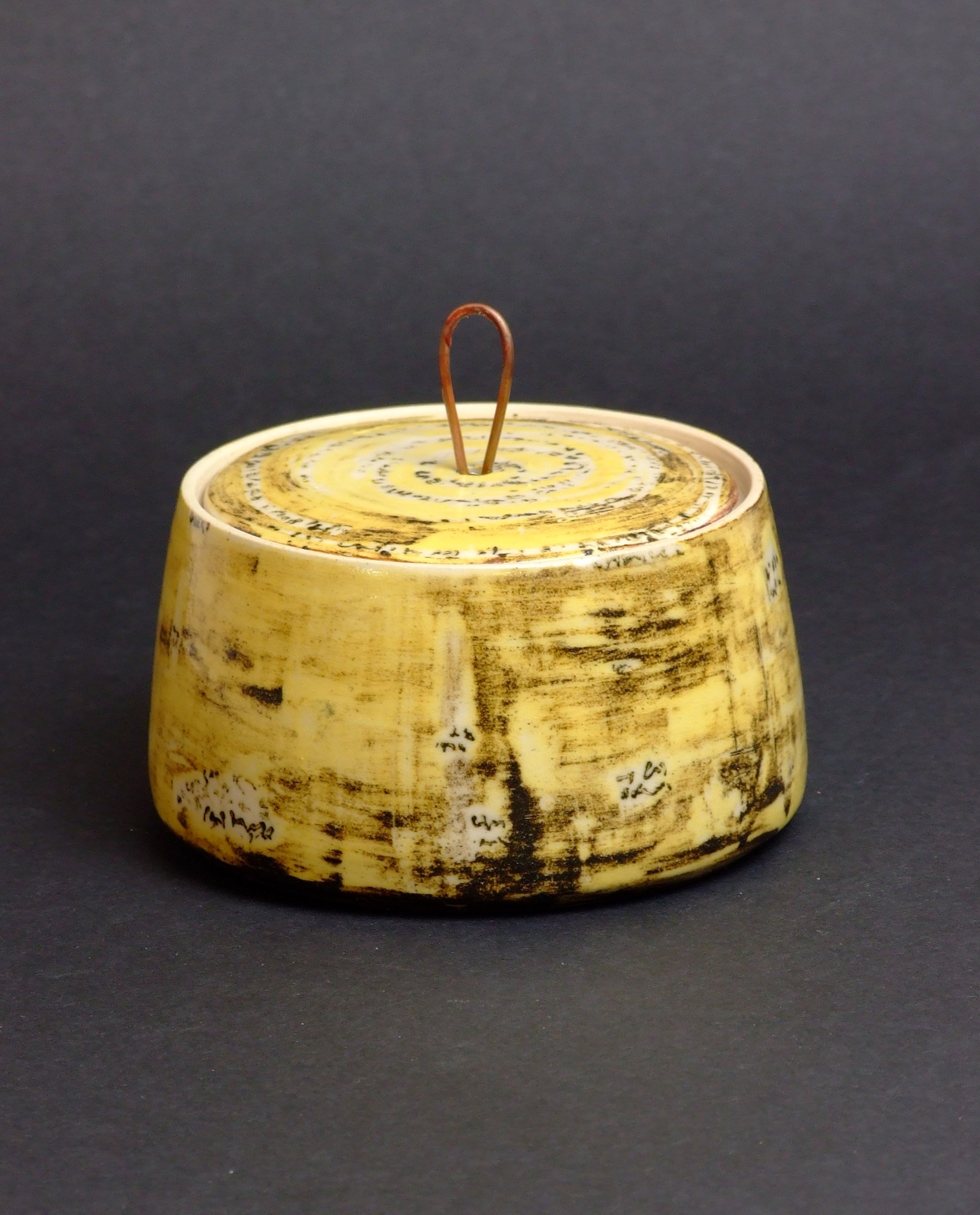
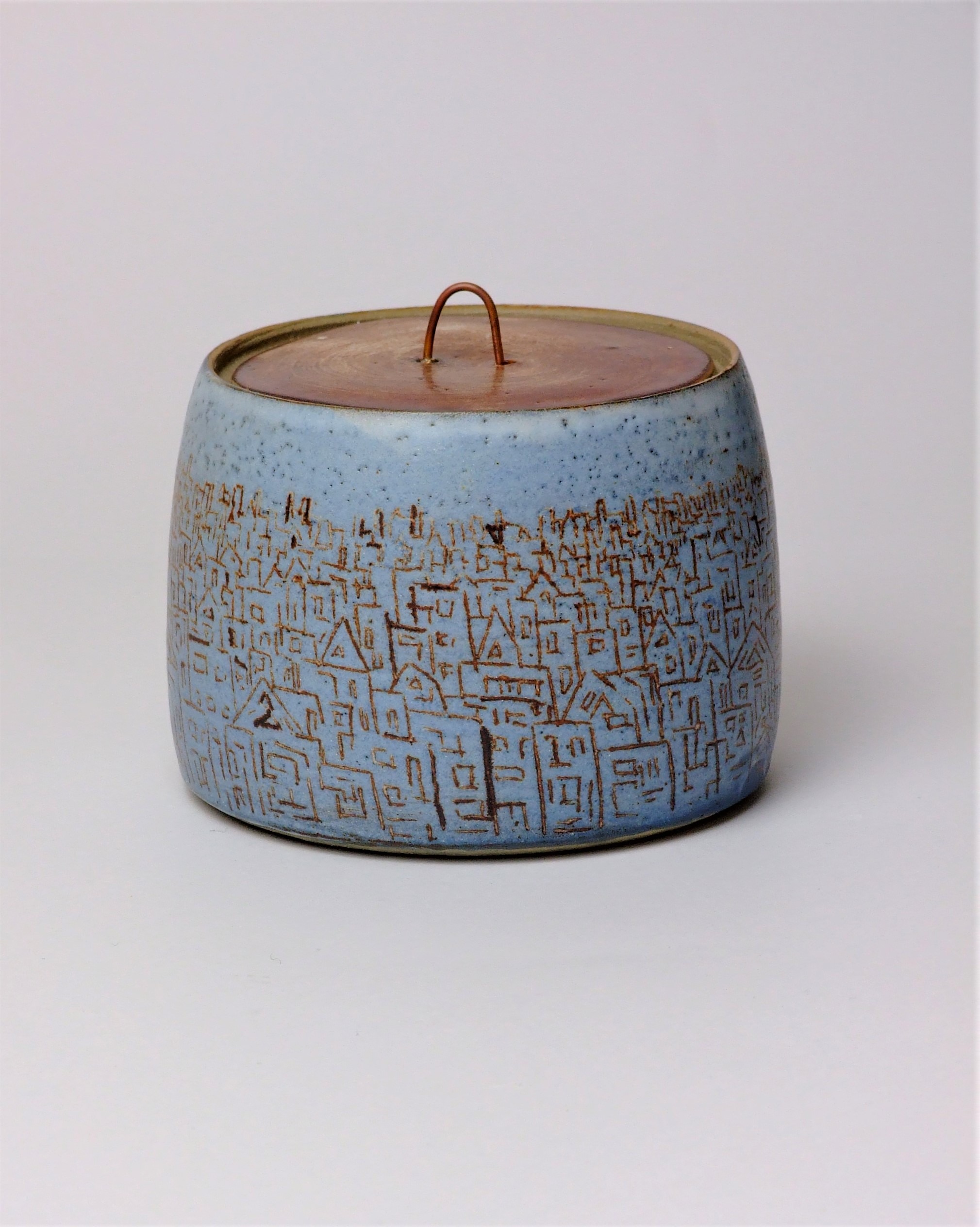
As a former tutor in Gender Studies, and with a PhD in Communication, Zeba Imam’s ceramics are inspired by the human desire to connect and communicate. Layered with coloured slips and oxides in combinations of markings and sgraffito, Imam’s wheel-thrown work captures the palimpsest-like quality of the human story.
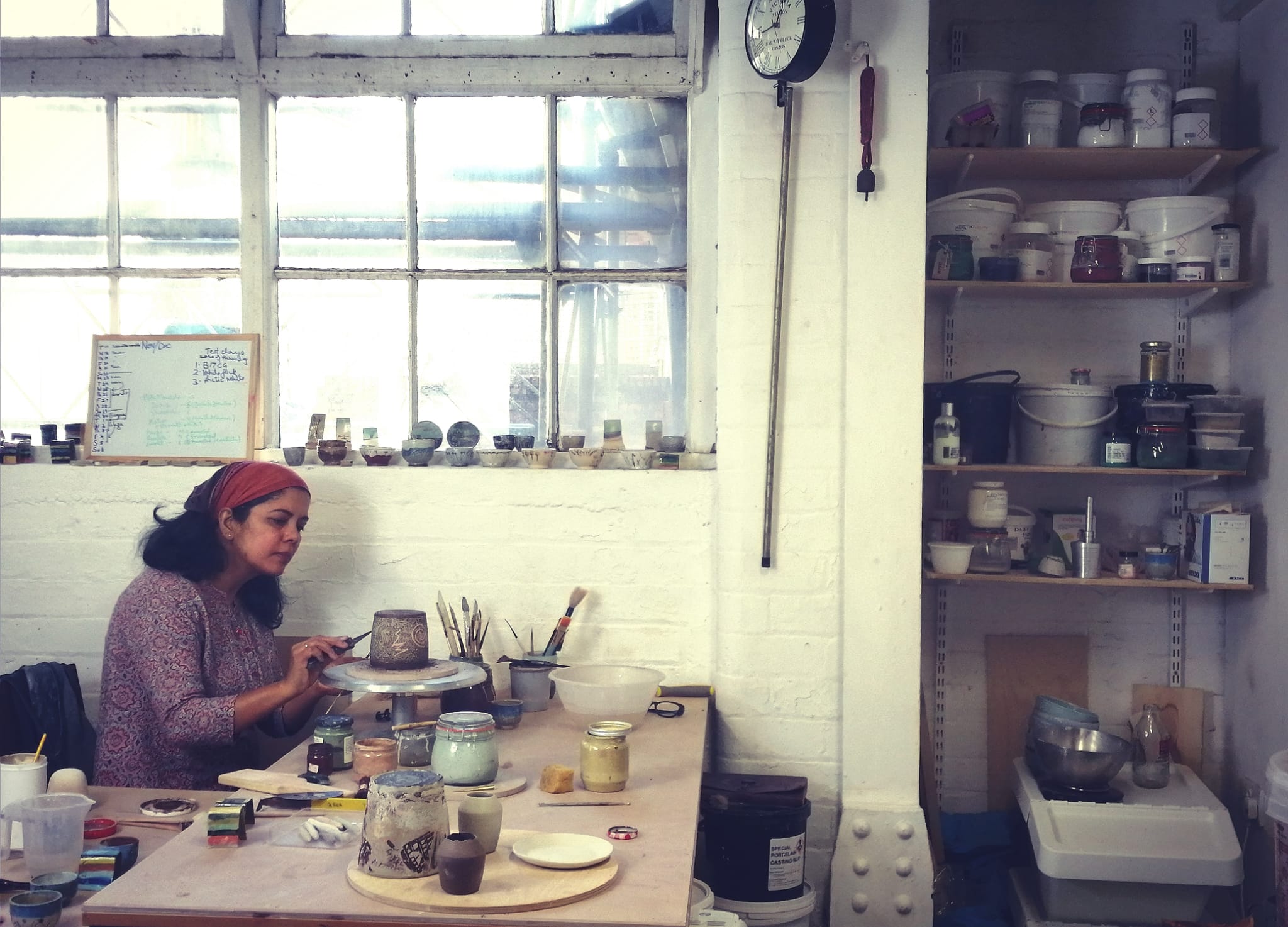
Zeba Imam in her studio at the original Spode Factory site in Stoke-on-Trent
Tell us a little bit about your studio. Where is it located?
My studio is located at Spode Works on the original Spode Factory site in Stoke-on-Trent. This building was the centre of the UK ceramics industry since the 17th century, functional until a decade ago. A section of it has been re-purposed into artist studios by ACAVA. It’s an inspiring location, full of history and stories of the past.
How long have you been there?
I have been in the studio since November 2019. I made it my work space soon after graduating from Clay College Stoke in August that year.

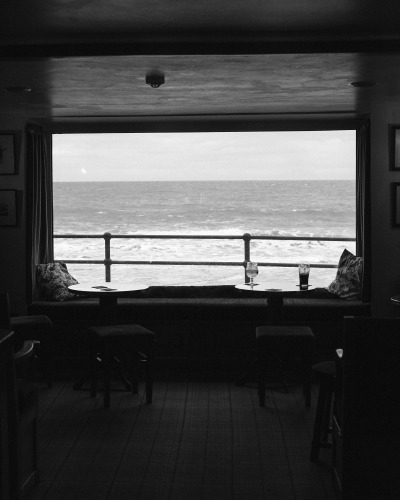
What is the view from the window?
The window is what made me decide instantly on the studio. It is a pretty big one and has a lovely view of the sky and a section of the Spode building and other studios.
Describe a typical day in the studio…
I mostly make wheel-thrown forms and plan work so I am doing surface design, or sketching ideas in parallel. This way I am not sitting bent over the wheel all day. There are tea breaks, exchanges of greetings and chats in the lobby on my way in and out of communal facilities or the water sink. Some days it includes trips down to the BCB studio that is housed in another section of Spode Works.
What sounds would we expect to experience when visiting your studio? Music? Radio? Podcasts?
I have a radio in the studio that is usually set to Scala. When I am doing things that do not require undivided attention, like reclaiming clay or mixing slips, I listen to podcasts. To name a few: Newslaundry, which is focused on political developments in India, and a recently discovered Feminist Survival Project.
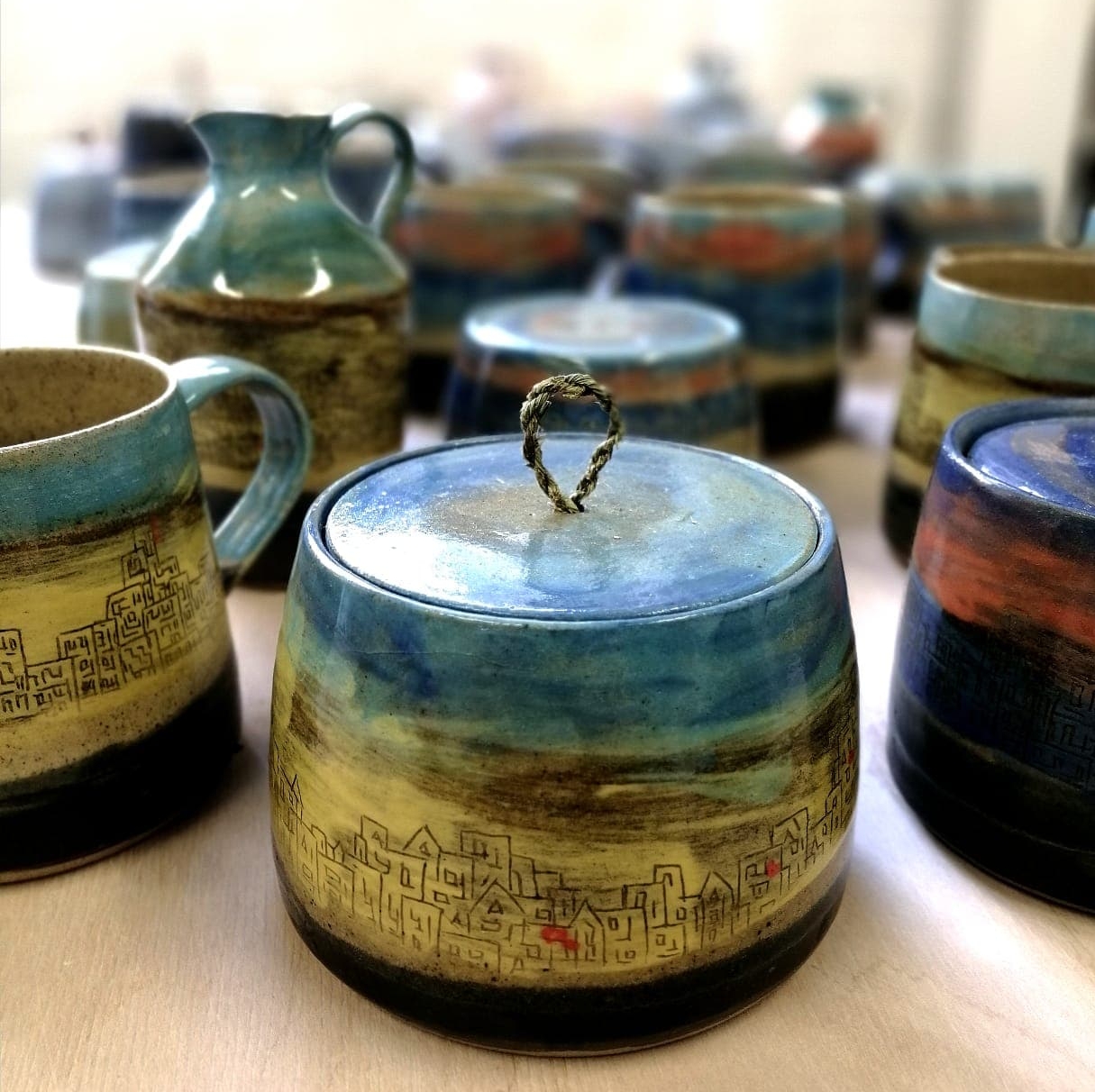
Ceramics by Zeba Imam showing the detail of her signature mark making style
Organised, or organised chaos?
I would say organised chaos. I know where things are and I tend to leave them at hand when I am working on a project, cleaning up and putting them back in their place only when the work is completed.
When do you work best?
I am not a morning person, so I tend to work best in the later part of the day and if needs be, into the night. Also, I work best when there is no deadline and I can experiment with ideas without worrying about getting it wrong.
What’s the most used item in your studio?
The metal kidney without a doubt. I use it for throwing, sometimes for turning, even as a tool for applying colour slips. It works as a clay cutting tool too.
What are you working on right now?
Alongside making a range of pots that are tried and tested, I am doing some experimental work. I am trying to mix wheel-throwing and hand-building techniques to further capture the layered, palimpsest-like quality of human stories that forms the inspiration for my work.
Do you like to invite visitors?
Yes, it brings a nice energy to the studio. Due to the lockdown rules, for a big part of the time that I have been at my studio, that was not possible. I am glad that it is possible now. I hope it remains that way.
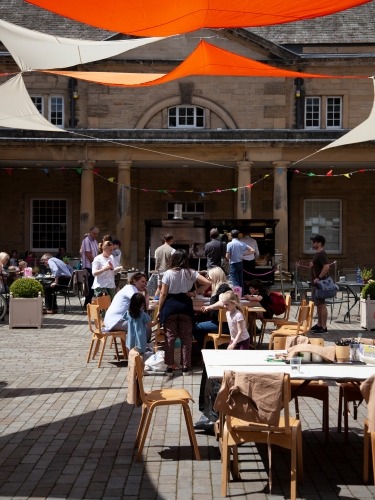
Join Zeba Imam with Hole & Corner for a plate-making workshop as part of the members’ day at the British Ceramics Biennial. Find out more.