In Conversation with... Martín Bustamante... collector, curator, traveller
Photographs Jimena Peck
Interview meena Sears
This conversation was produced in collaboration with Banana Republic
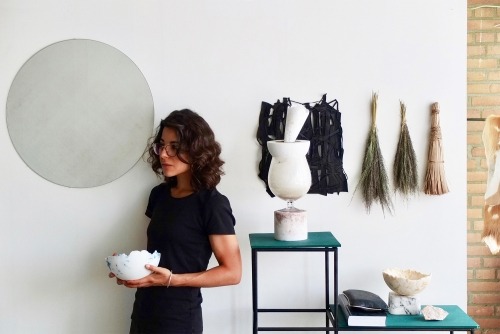
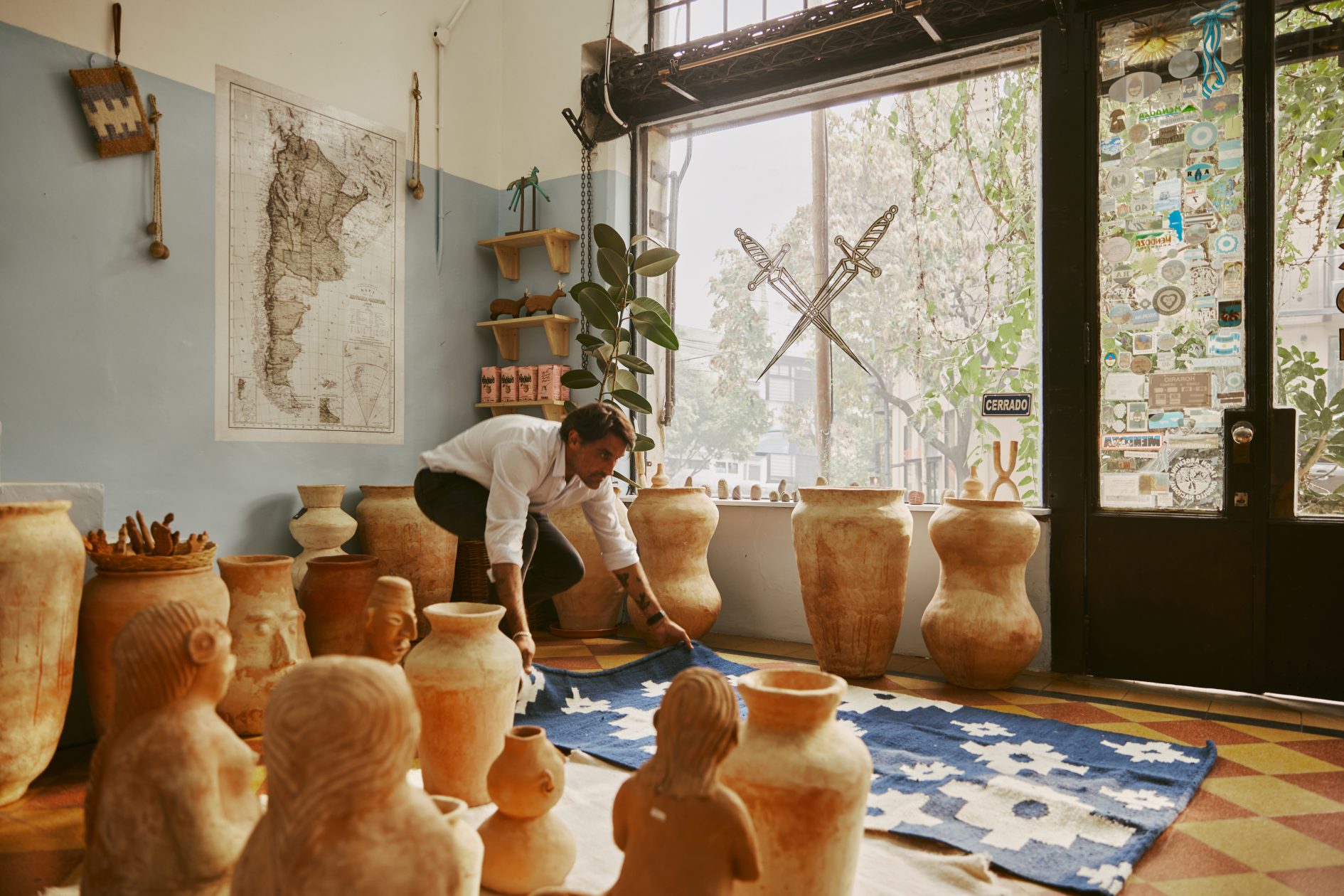
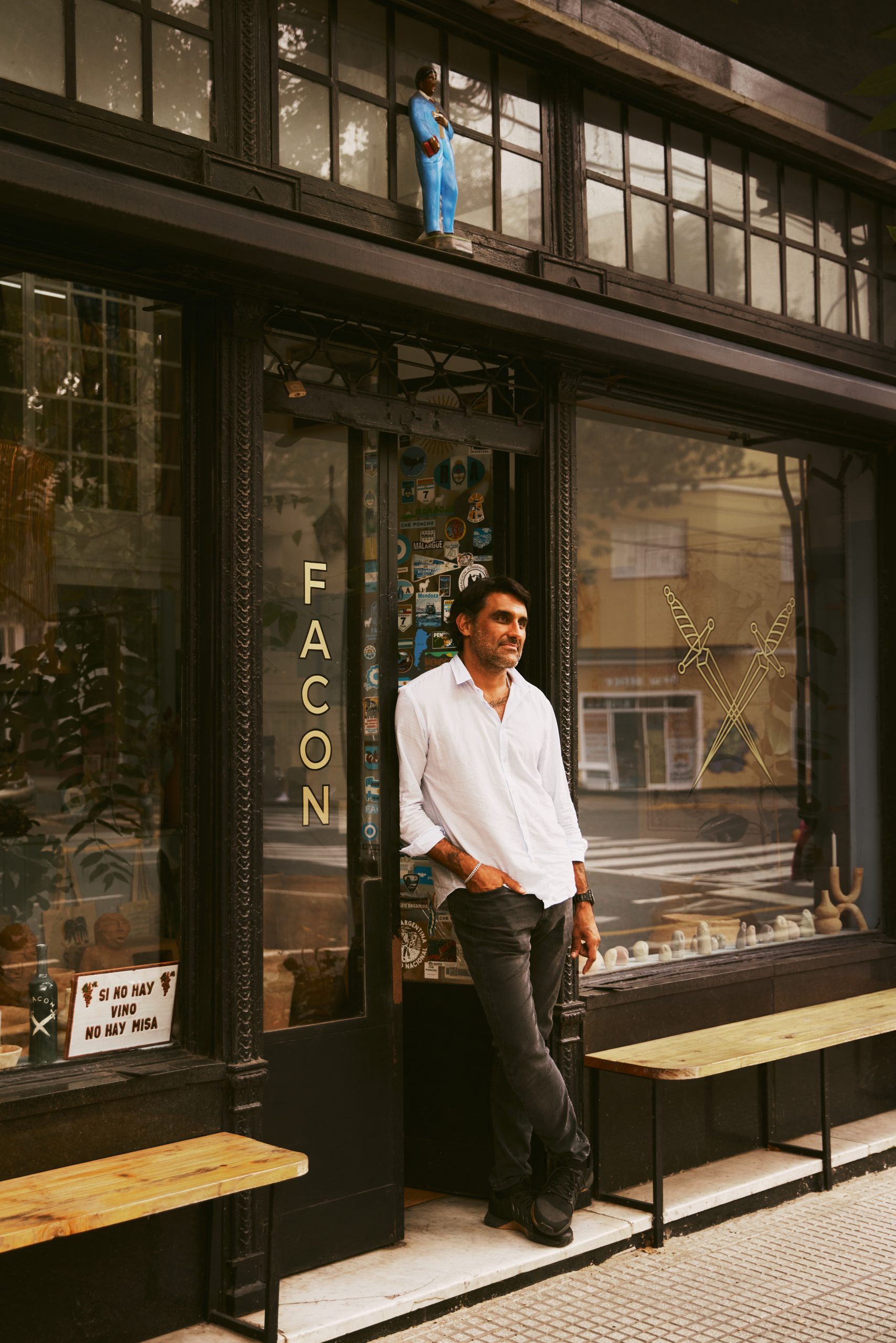
Fuelled by a passion for crafts, Martín Bustamante travels Argentina in search of unknown artisans and handmade products to bring back to his Buenos Aires shop, Facon.
What do you enjoy most about your job?
I love to travel. I have been all over this huge country, from beautiful Patagonia with its solitude and wind, to the north of Argentina. I like to just hit the road and see where it takes me. Sometimes it’s just the story of being there, and sometimes I can bring back some crafts.
What qualities do you look for in the objects you collect?
It’s not just about the object, it’s about my journey to the product. Sometimes I know the artisan and go directly to them, and sometimes it’s just destiny; I might go to a little town where there is an old lady that works with wool and then I fall in love with the story before the object. I like when people really put their personality into things; Facon is not just about objects, it’s about the story behind each piece, the time and dedication of the artisan that made it. I love contrast; taking an object from where it was made, maybe the desert or Patagonia, and putting it in a modern house.
Can you tell us about gaucho style?
Here in Argentina, we have several gaucho styles. The more common ones are in La Pampa, close to Buenos Aires, but you have gauchos from Patagonia who dress differently from those in central Argentina. You have gauchos in the mountains who wear leather boots and gauchos in Corrientes, which is full of water, who ride barefoot.
I have gaucho ponchos from all over the country, made with different designs and fabrics depending on which animals are found there – sheep, vicuña, alpaca, guanaco, or llama.
What excites you about art and design in Argentina today?
We used to look to Europe or the US for art and design, and we never looked inside, but I think that is starting to change. We have started to look into ourselves, into our culture. We’ve started to realize that we have beautiful things to work with here, incorporating our traditional arts and crafts into modern designs.