Bed knobs and boatyards: In Conversation with Naturalmat
Words Tamsin Blanchard
Photographs courtesy of NaturalMat
The Naturalmat factory in Topsham, Devon, on the banks of the River Exe, is part of co-founder Mark Tremlett’s family heritage. As a child, he would play there when it was his father’s boatyard, where the revered Chris Tremlett designed and built Tremlett Boats. ‘He was quite a quite a visionary guy,’ Mark tells me when we met at the Naturalmat showroom in Chiswick surrounded by clouds of fluffy looking pillows and neatly folded organic cotton bed linen. He was a consummate designer…he had a strong can-do approach.’
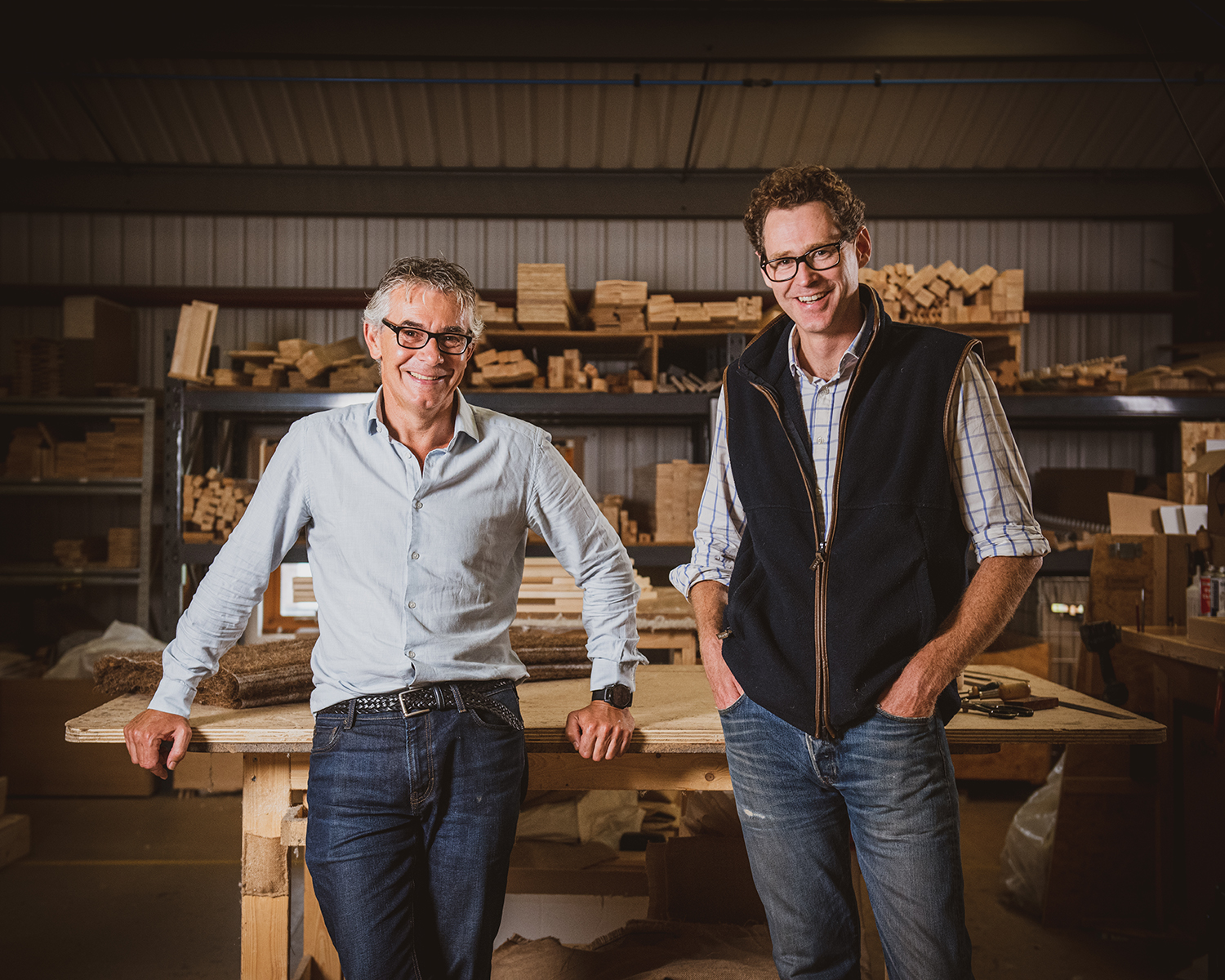
Naturalmat’s co-founders Mark Tremlett and Peter Tindall
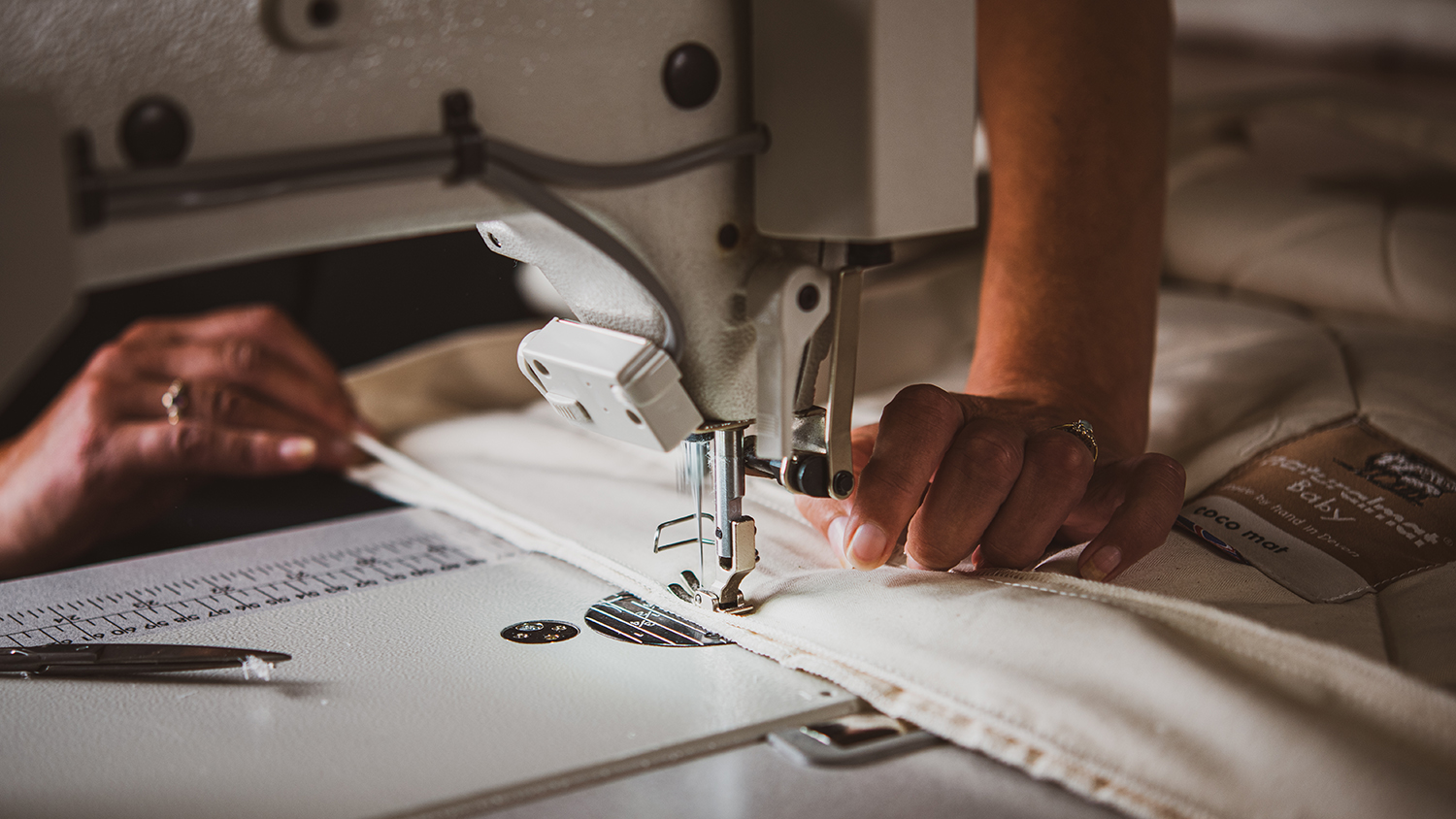
The boatyard has since become a bed works, home to Naturalmat, which specialises in making mattresses from organic and sustainably sourced natural materials. Tremlett junior and co-founder Peter Tindall started the company in 1999. Through their shared love of sailing, they had an idea to make high-quality mattresses for boats. ‘Why would you spend half a million pounds on a boat and sleep on a £30 piece of foam?’ they asked. ‘So we researched materials that you could use to make a really good mattress for the marine environment.’
They came up with a range of materials made from all-natural fibres that can breathe and self ventilate. ‘So they can get rid of any kind of heat and any kind of moisture, which is what you want to create a nice, comfortable sleeping environment,’ says Tremlett. ‘They all came from renewable and sustainable sources. But that wasn’t really any form of USP back in 1999. But it’s just, you know, what we did and where they came from.
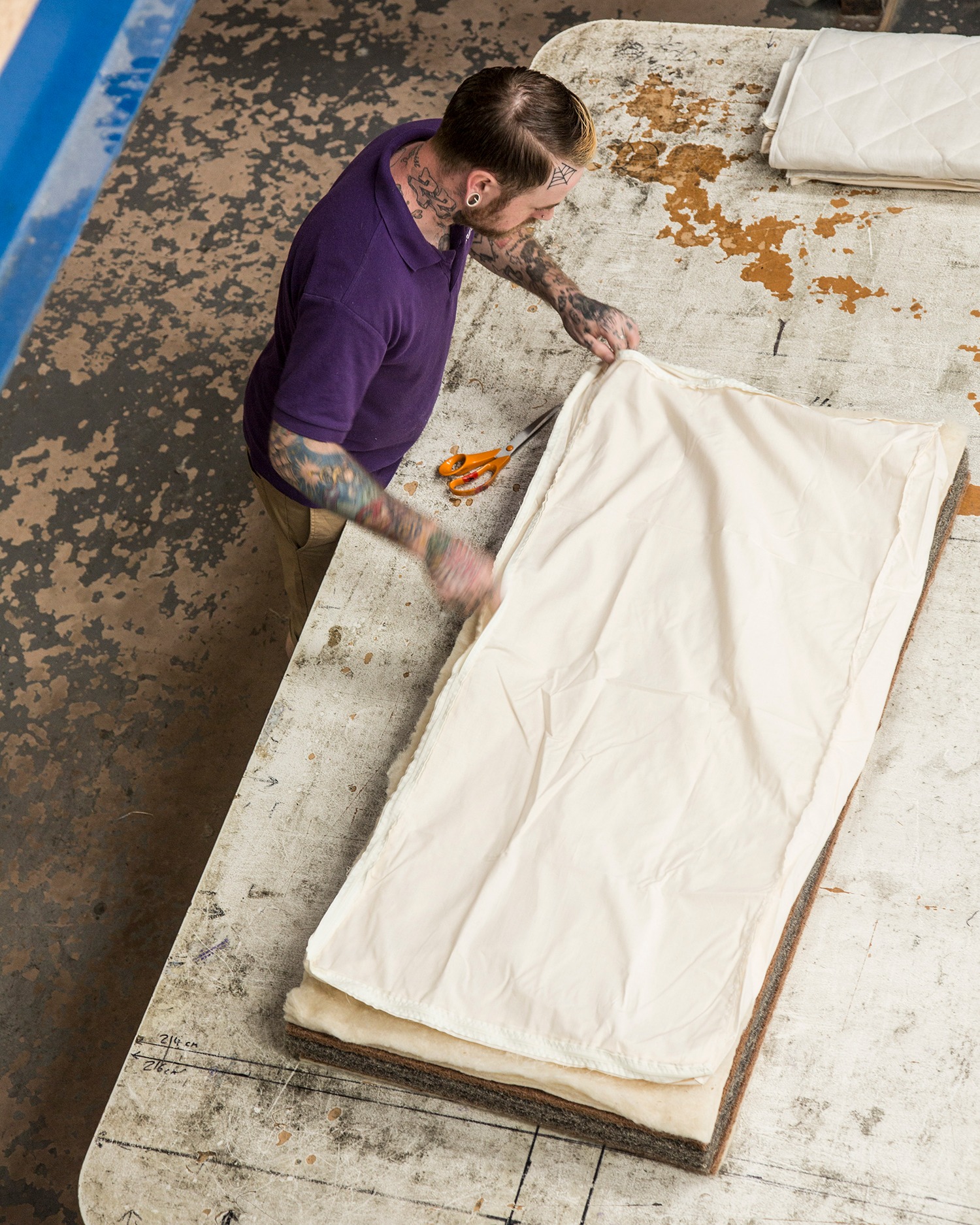
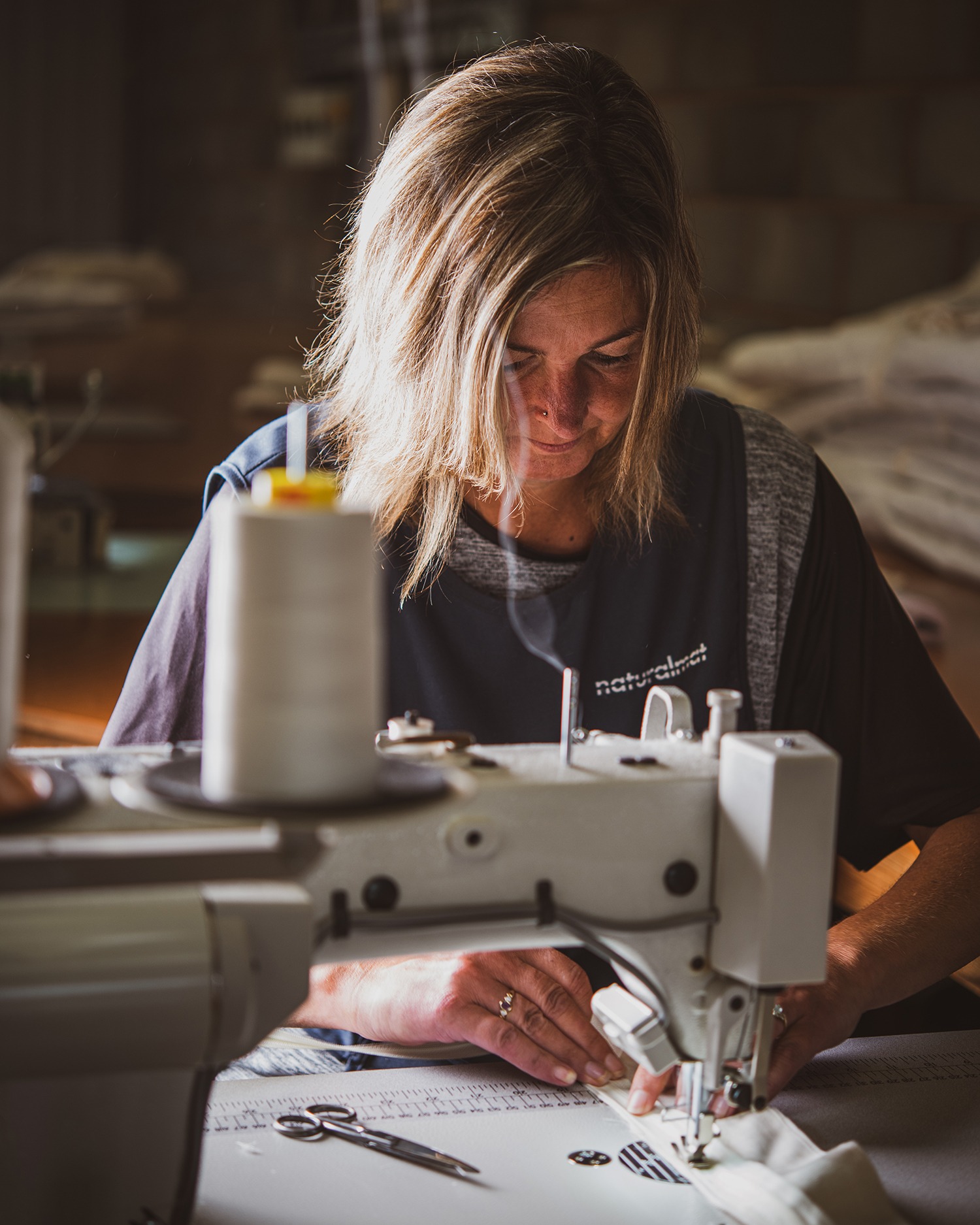
The boatyard has since become a bed works, home to Naturalmat, which specialises in making mattresses from organic and sustainably sourced natural materials
Almost a quarter of a decade later, sustainability has become a key factor for everyone. We are used to buying organic vegetables, opt for Fairtrade bananas and coffee without a second thought, and we worry about the carbon footprint of a pair of jeans. Increasingly, we are concerned about the chemicals in our homes, as well as the amount of plastic and synthetics we are leaving in the earth and the oceans. Naturalmat applied for B-Corp certification in January, a process that in itself forces companies to have a long hard look at themselves. Since working with a sustainability consultant last July, the business is being transformed to a whole new level, focusing its attention not just on the climate emergency but also around landfill, tackling issues around sleep poverty and paying more attention to the wellbeing of its employees.
They already had a transparent and traceable supply chain, with wool coming from from farms in the South West, natural latex, GOTS certified organic cotton grown in India, coir (traditionally used to make fishing nets and ship ropes) from an organic coconut plantation in Sri Lanka. ‘I am a bit of a frustrated boatbuilder, like my dad was, and he always said that you’ve got to do everything yourself, which is a very old-fashioned way of doing things,’ says Tremlett, who is currently also building a boat that he hopes to be sailing this summer. ‘Because if something breaks when you’re out at sea, then you’re in real trouble, but if you’ve done it yourself, you know exactly what it is, and it’s less likely to break. So he was very obsessive about doing everything, you know, and so it never fell to pieces. And we treat our approach to making mattresses in the same sort of ways that we go direct to source for all our ingredients, as much as we possibly can. So when it goes into the product, we know, it’s the right thing, and then the label on it is justified.’ And that attention to detail pays off. Tremlett says they don’t have an after-sales department because there are no after sales complaints or problems.


We treat our approach to making mattresses in the same sort of ways that we go direct to source for all our ingredients, as much as we possibly can
But this is not enough. What happens to the mattress at the end of its life is just as important as how comfortable or how natural it is. Tremlett says their mattresses last around ten years or more but what happens after that? Since the proliferation of synthetics in everything from our clothes to our curtains, our mattresses and our bedding have become a wasteland of memory foam and chemicals. We have become used to buying a mattress every few years, and chucking them out for the refuse collectors to take to landfill once they are broken. Tremlett says he still has really old mattresses that belonged to his great grandmother. ‘They’re made by Heal’s. And actually, in the olden days, you sent it back to Heal’s to be re stuffed.’
 Since the proliferation of synthetics in everything from our clothes to our curtains, our mattresses and our bedding have become a wasteland of memory foam and chemicals
In order to prevent their mattresses ending up in landfill, Naturalmat now has three options. ‘You can send your mattress back to us, and we’ll do an audit on it,’ says Tremlett. In most cases, the core springing mechanism will be fine, and they will replace a cover and some tufted materials and return it to the customer. This reconditioning service will cost roughly half the price of a new mattress. If you choose not to have it restuffed and re-covered, you can opt to donate it to a sleep charity. ‘So there’s the world’s first mattress washing machine, Matilda, in the amazing old bonded warehouse just by the docks in Liverpool,’ says Tremlett. It gets treated with steam and ozone followed by UV, which cleans and sterilises it for a completely clean bill of health – ‘the same level of cleanliness, as you might find in an operating theatre’. If a customer doesn’t want to have their mattress refurbished or recycled, it can be dismantled and each of the components separated to be reused or made into cushion fillings or pet beds which are then offered to the customer with a credit towards a new mattress.
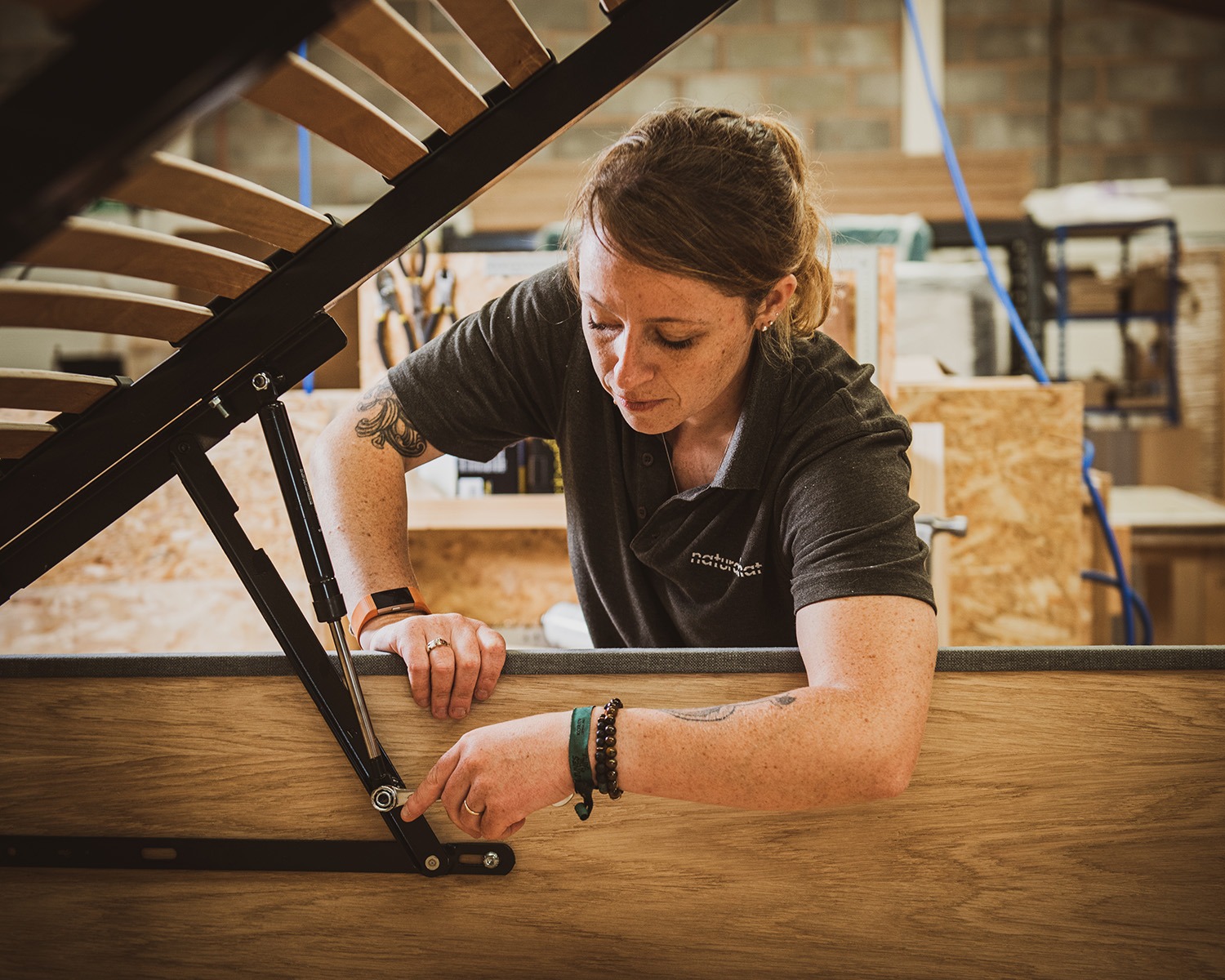 Sleep, how we sleep and the quality of sleep we have has become so important
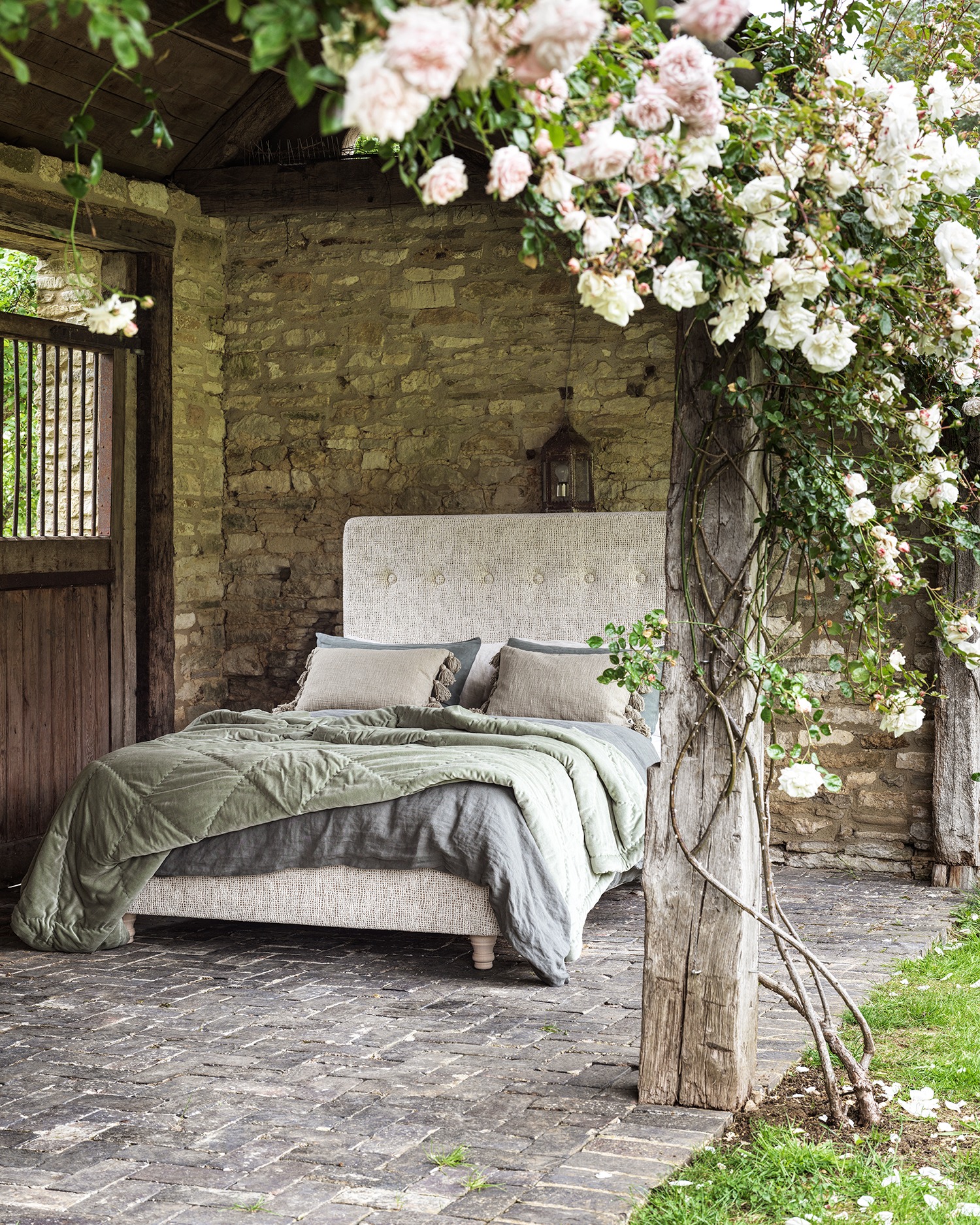
The company’s care and values extend to offering every employee a Naturalmat mattress after a year’s employment (along with a monthly Riverford Organic vegetable box). If anyone needs a good night’s sleep it’s the Naturalmat team because, not surprisingly, business is thriving. Since 2015 it has been making headboards and beds as well as mattresses. Sleep, how we sleep and the quality of sleep we have has become so important. ‘It used to be about diet, and then it was more about fitness,’ says Tremlett. ‘There’s almost three pillars now. It’s what you eat, how you exercise, and then how you sleep. So if you put the focus on sleep as being a very important part of everybody’s existence, together with everybody’s desire to lead a more sustainable life, then those two things collide and Naturalmat is right in the middle of that collision. We could have never predicted that.’
To find your nearest Naturalmat store, complete with a sleep zone to try out a range of mattresses in peace and privacy (birdsong is provided and people have been known to fall asleep) go to naturalmat.co.uk
This story was brought to you by a valued Hole & Corner Partner.
Hole & Corner works with Partners to tell stories of dedication from makers, brands and institutions.
Our Partners allow us to continue to celebrate makers and artisans, as well as support the writers and photographers who create such impactful and beautiful work together.
To find out more about becoming a Hole & Corner Partner, email jade@holeandcorner.com