H&C Summer Makers’ Residency Week VII: Babs Behan of Botanical Inks
interview meena sears
Photographs Sam walton
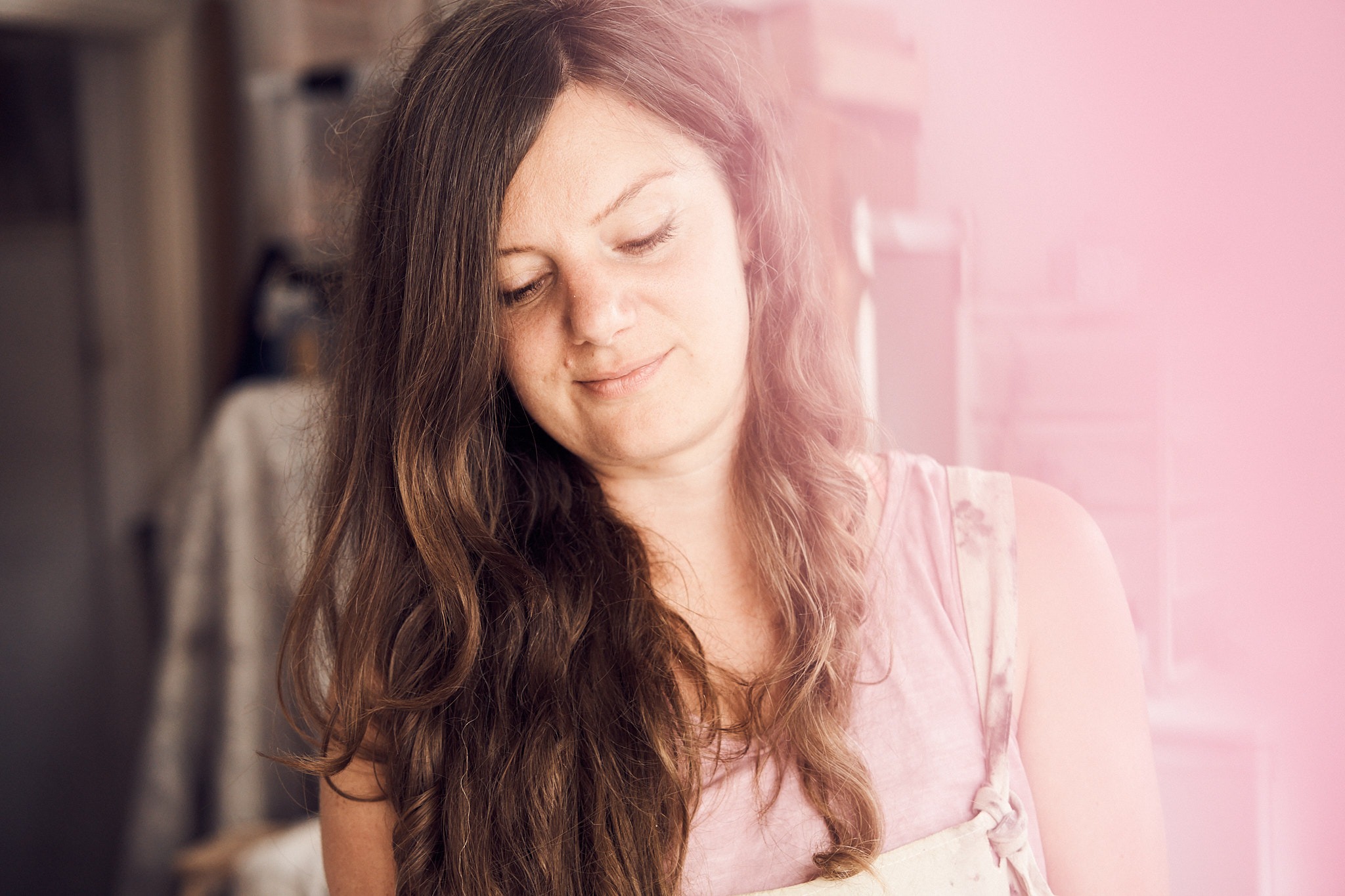
Our seventh maker-in-residence is Babs Behan, an expert natural dyer, and specialist in regenerative textile systems
Behan fell in love with the ancient craft of natural dyeing while training with a family in Jaipur who print organic fabrics using vegetable dyes and locally sourced wooden blocks. ‘There was such beauty and unique character in their work. It felt so natural and full of goodness,’ Behan told us when we last spoke.
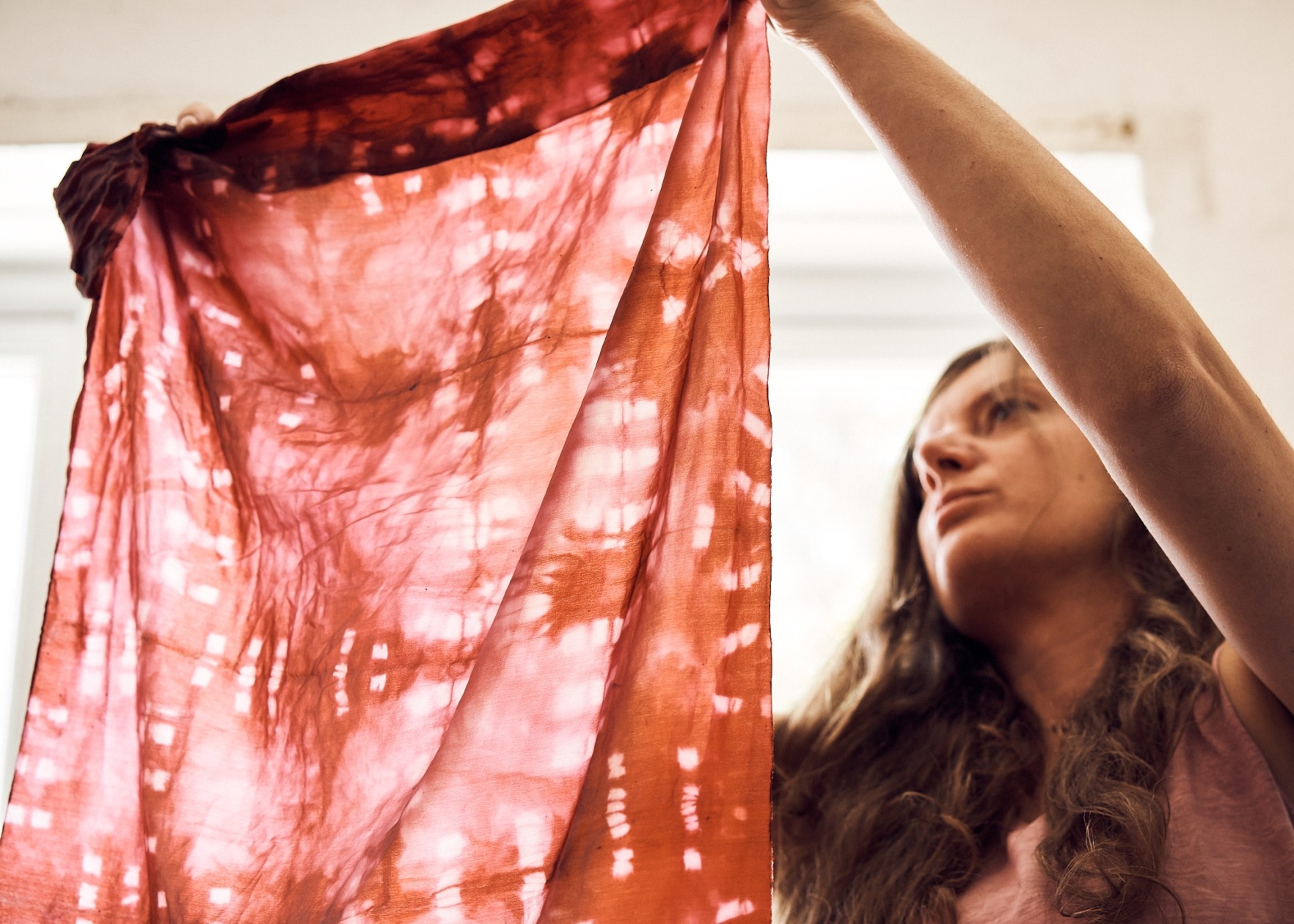
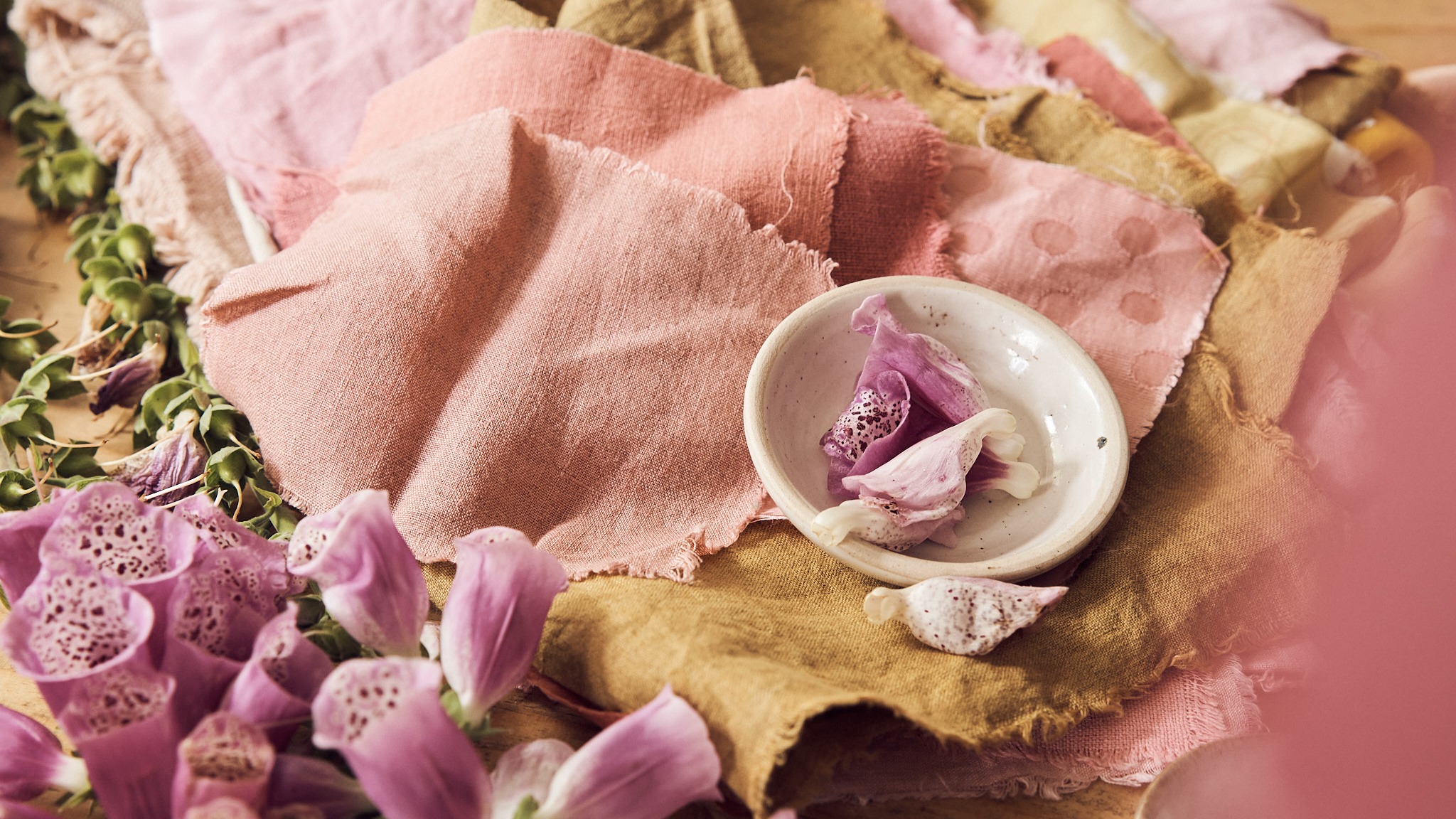
After spending six years honing her skills, Behan returned to England with a mission to start her own natural dye house, and founded Botanical Inks in 2014. Botanical Inks creates non-toxic dyes and inks by gently extracting pigment from organic matter including wild plants, garden produce and recycled food and farm waste. By using materials that are safe to put back into the earth after their use, Behan creates a soil-to-soil system that proposes a more holistic approach to mainstream textile production.
Botanical Inks creates dyes and inks for cloths, garments, paper, and other materials. Along with selling its own products, the dye house has worked with a number of clients including the Saatchi Gallery, Tate, Jo Malone, Hauser & Wirth, Soho Farmhouse, and the Barbican Centre.
What do you hope to get out of your residency?
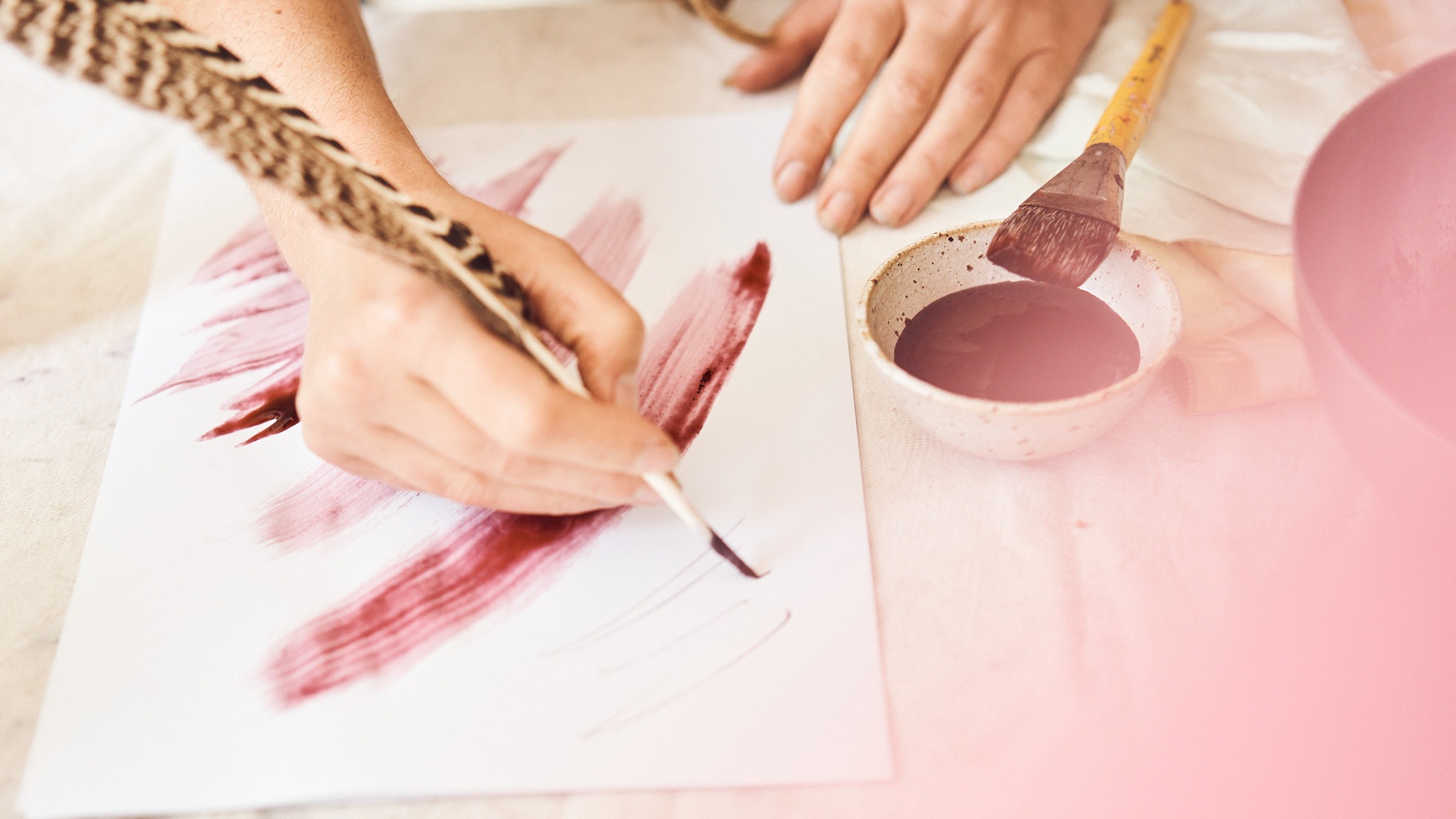
I’m excited to spend some time focusing purely on drawing and printmaking. One of the greatest challenges I face as a maker is creating boundaries around each of my creative practices, which is important to do. This residency will allow me to dedicate time and love to my original crafts of drawing and printmaking.
I also look forward to meeting people who want to drop by to see what I’m up to.
What else do you intend to work on during the residency?
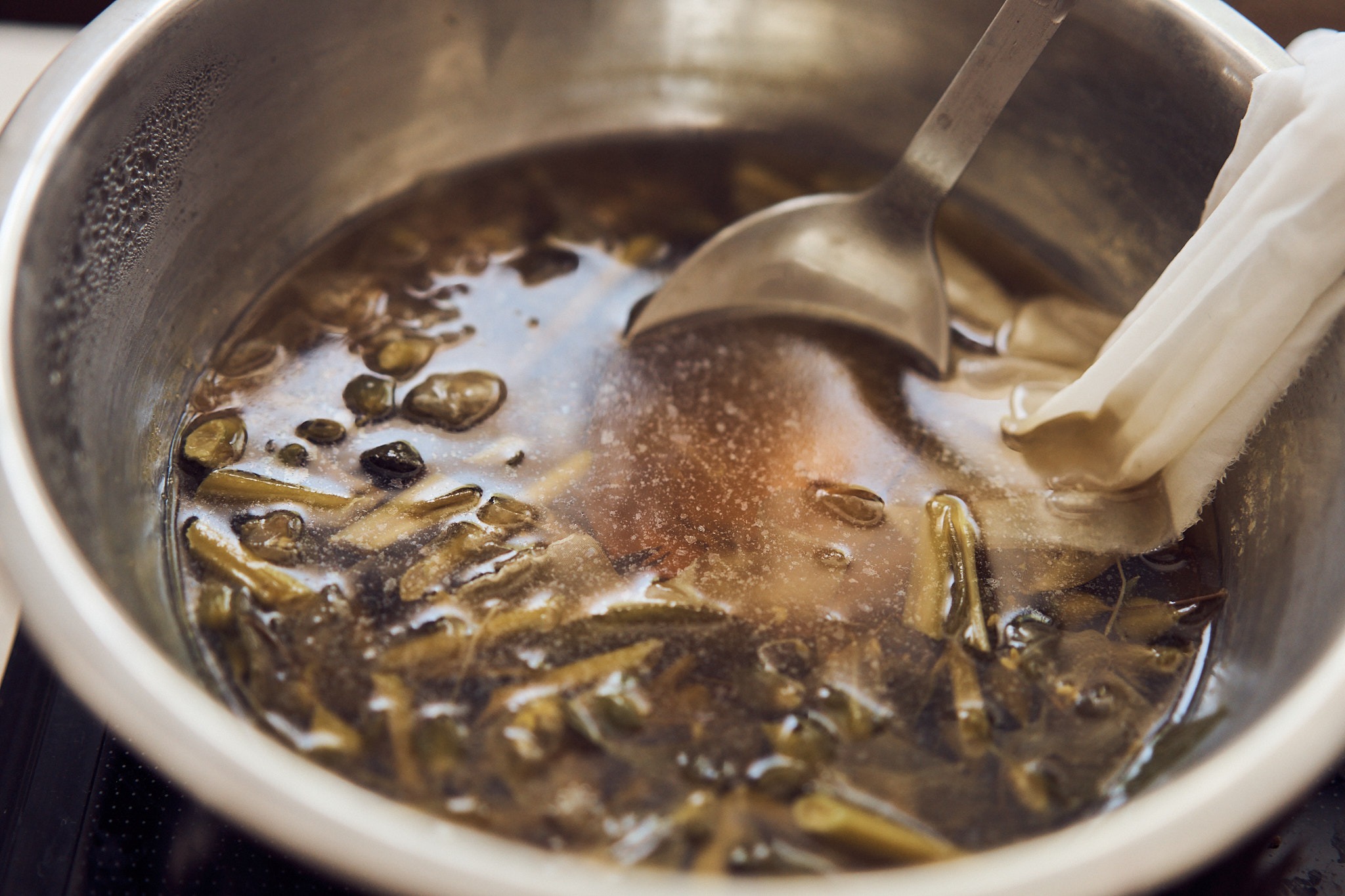
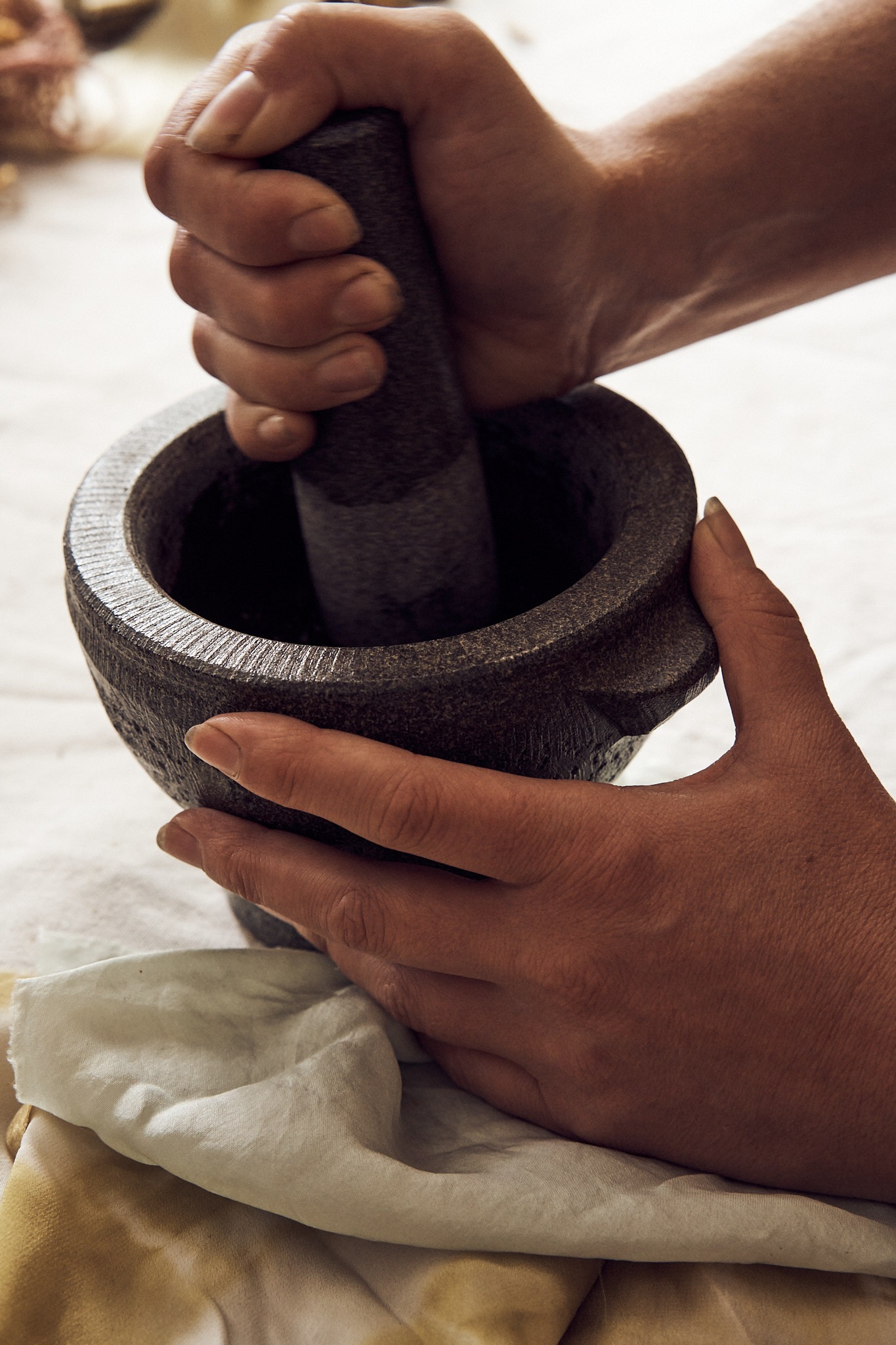
I am going to gather dye herbs from the surrounding area to brew while I am in the space; releasing their aromatics will invite a deeper sense of connection with the local plants. Some of it will become tea to drink, while the rest will be reduced into inks and paints for my art. I hope to gather enough herbs to dry some out for later use.
What tools will you bring?
I’m going to bring a selection of tools: a small stove, a stainless steel pot, spoons, paint brushes, graphite pencils, handmade papers, gum arabic, a vase, small pieces of wood, carving knives and, of course, some plants.
How do you get into the creative zone?
I always find it a pleasure to start my creative process as it involves coming into conscious connection with the plant. I like to use a very simple tea ritual, which helps me centre and become more present, then I invite the plant to guide my movements, trusting that a sense of flow will come through.
What do you think makes a good work environment?
Sometimes I need a quiet meditative space with soft, natural light, comfortable furniture, and only the sound of birdsong or the breeze. Other times I need more social spaces; background hum and activity can offer a supportive and nourishing environment.
Do you enjoy working with or around other disciplines?
I’ve really enjoyed sharing a creative space with musicians in the past, including my friend Layla who plays classical and jazz piano. A collaborative atmosphere really feeds and inspires my creativity.
I also love to collaborate with other makers. I recently made some wooden tongs with woodworker Ambrose Vevers for his show at Make Southwest; it was great to work with such a skilled craftsman and to use a natural fibre that is different from what I am used to. I love to expand my expertise and explore new avenues, and I appreciate the sense of community that comes from collaborating with other artists. There’s something about creating a piece with another person that makes you feel more alive.
Do you feel part of a wider craft community?
I have a sense of community from being part of the South West England Fibershed network, which is focused on promoting re-localised regenerative fibre practices. This community includes farmers, growers, spinners, weavers, dyers, felters, leather workers, tanners, and more, so it’s a really vibrant mix of people who are all connected through our shared values of supporting eco-systems and traditional craftsmanship, and a passion for local, natural materials. It is such a nourishing and exciting movement to be part of.
Drop by to meet Behan between the hours of 9.30am to 5pm, from July 17 to July 20; 45 Little Britain, Farringdon, London EC1A 7BN
Signed prints and copies of Behan’s book, ‘Botanical Inks: Plant-To-Print Dyes, Techniques and Projects’, will be available to purchase during her H&C residency
Behan’s second book, ‘Botanical Dyes’, is coming out on August 31; preorder here