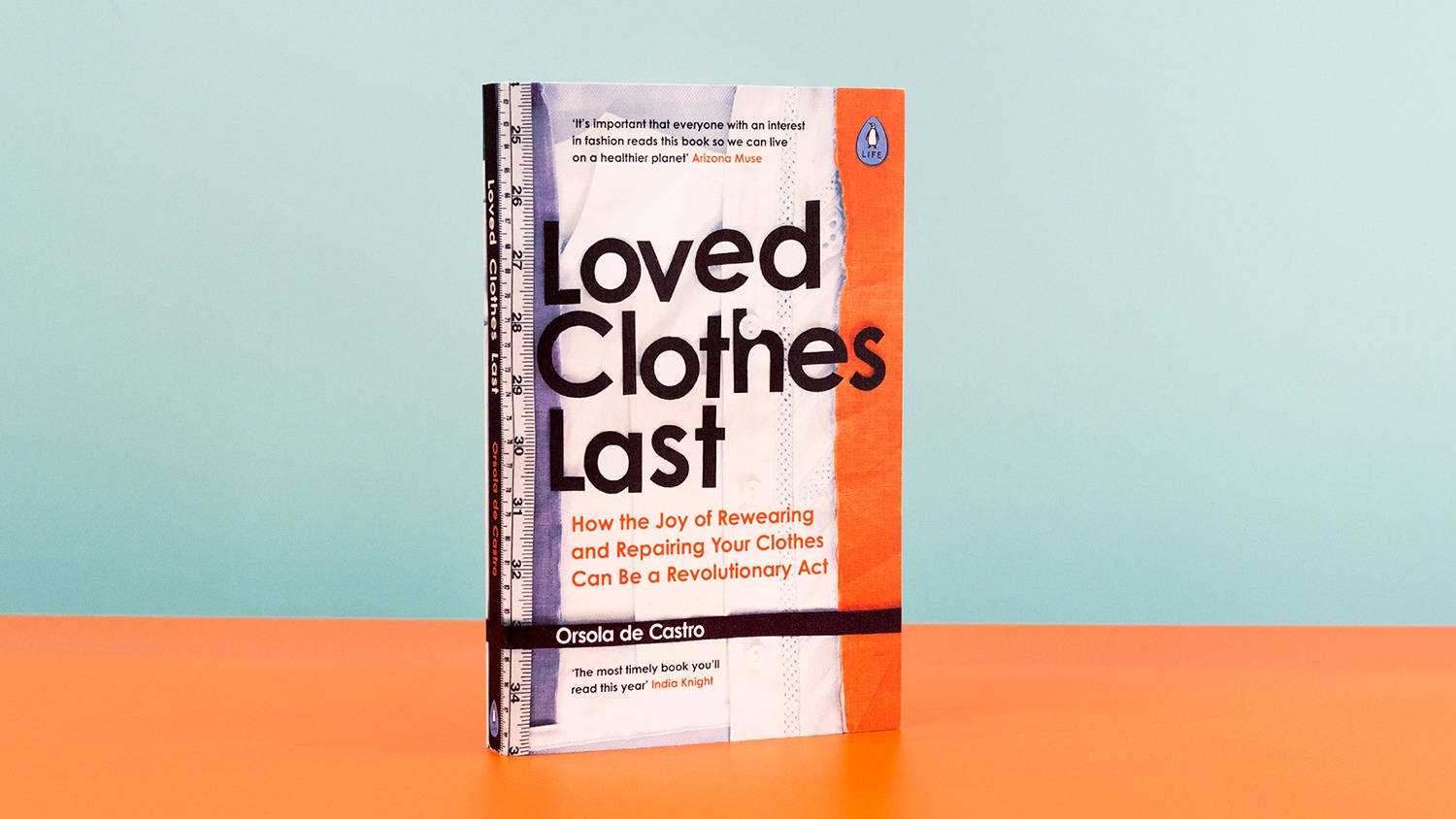
Loved Clothes Last
In her new book, Loved Clothes Last, just published this week, designer, educator and creative director of Fashion Revolution Orsola de Castro says, ‘I like to think of crafts as myths and fairy tales or regional food recipes, born and developed according to their unique local circumstances, with local ingredients and conditions dictating pretty much everything, from the type of wood or metal used to make tools and implements (which in turn affects the gauge and weave of a fabric), to the kind of fibre or material that is available…’ She describes the world as a ‘delicious minestrone soup’ made up of yellows from India to Naples; rough woollen textures from the north, ‘skills perfected by thousands of different hands bringing their own intervention; secrets passed on and on, throughout generations and populations.’
Her book describes how the joy of rewearing and repairing your clothes can be a revolutionary act. And she passes on many of her own secrets, gleaned from decades of working in the fashion industry, and also growing up as she did in Venice, she has been witness to the decline in craftsmanship, and the erosion over the years of the value of craft and materials that are the result of experience, time and care. She recalls visiting the glass blowers of Murano when her mother would tell her she feared their craft wouldn’t last. ‘She was right. I watched in dismay as, throughout my lifetime, first there were few, then fewer, then none.’ Her small way of keeping crafts alive is by making sure the necessary things she buys make a difference. So her sketchbooks and diaries are bought on a yearly basis from her favourite bookbinder in Venice, near the Frari Church. She offsets the price tag against the daily use and joy they bring her. ‘The heftier price brings with it a double guarantee: my product is of exquisite quality, and the bookbinder in Venice is still in existence.’
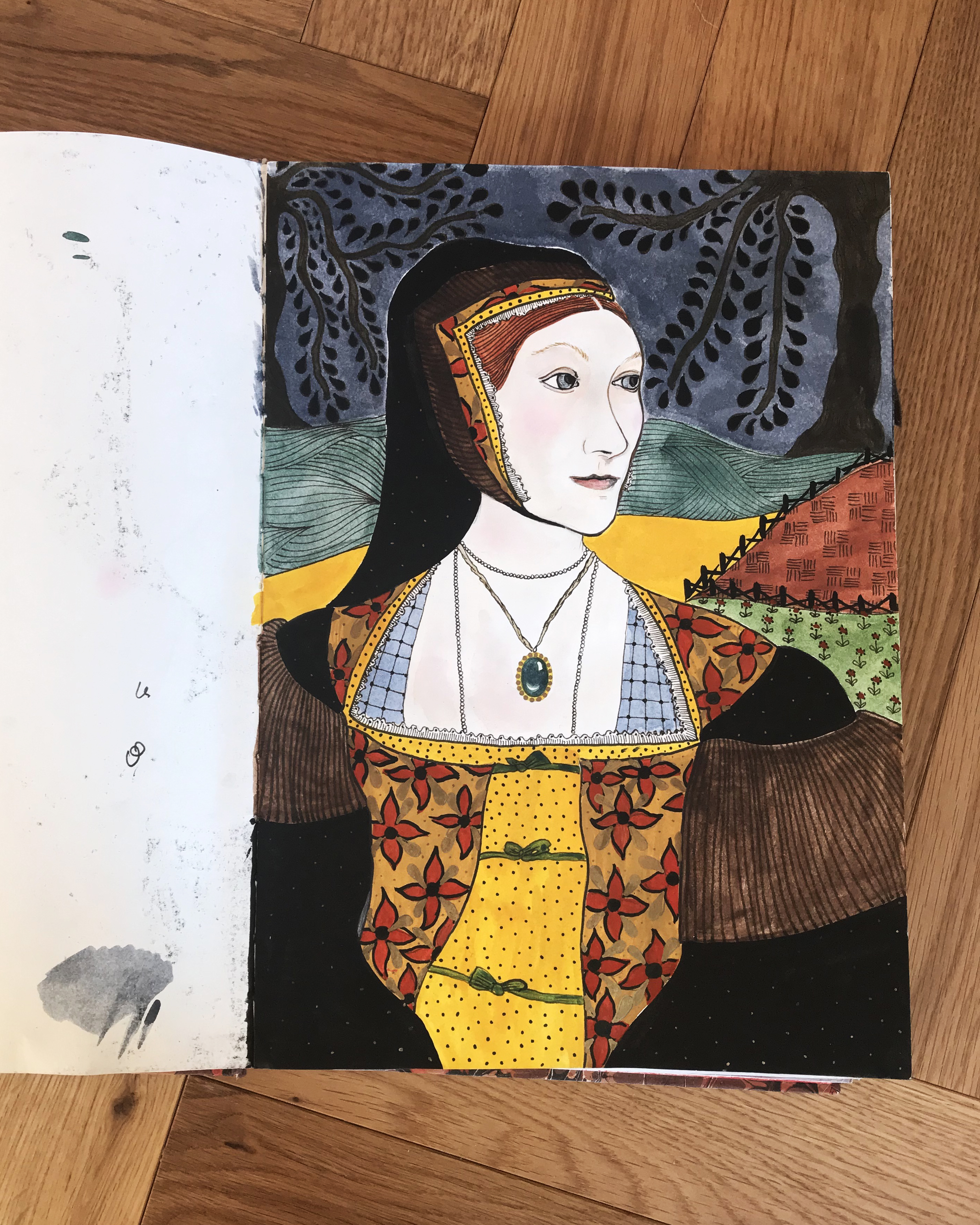
A page from one of Orsola’s hand-bound sketch books
The book takes us on a journey rediscovering the value of our clothes, why it is important – for the health of the planet and also as a mark of respect for those who made our clothes, from the cotton farmer to the spinner, the weaver, the machinist, the dyer, and the designer – that we look after our clothes and keep them in use for as long as possible. She gives practical advice on mending techniques, tells us to embrace the frayed edges, use badges to cover holes or stains, sew on our buttons. She also presents the case for upcycling, a technique and approach to design she perfected with her now defunct label, From Somewhere. De Castro describes it as ‘a creative design solution to an environmental challenge.’ As she points out, while the term ‘upcycling’ is new (she says it was first used by Reiner Pilz in 1994), we have been upcycling for millennia, with techniques from boro to kintsugi.
While the overriding subject matter of the book is fashion and the ethics of an industry that has turned into something of a monster, the underlying thread throughout the book is one that returns over and over to the importance of craft, and an urgency to slow down and look after what we already have. ‘Makers,’ she writes, ‘are the modern-day heroes, the guardians of an important legacy.’ At Hole & Corner, we couldn’t agree more.
Loved Clothes Last: How the Joy of Rewearing and Repairing your Clothes Can be a Revolutionary Act, is published by Penguin (£8.99 from Bookshop.org)