Restoring and Rewilding Birch Selsdon
words meena sears
photographs Adam Lynk
A Victorian manor, a sustainable design studio, and London’s largest rewilding project; Birch Selsdon is the escape from city life you didn’t know you needed
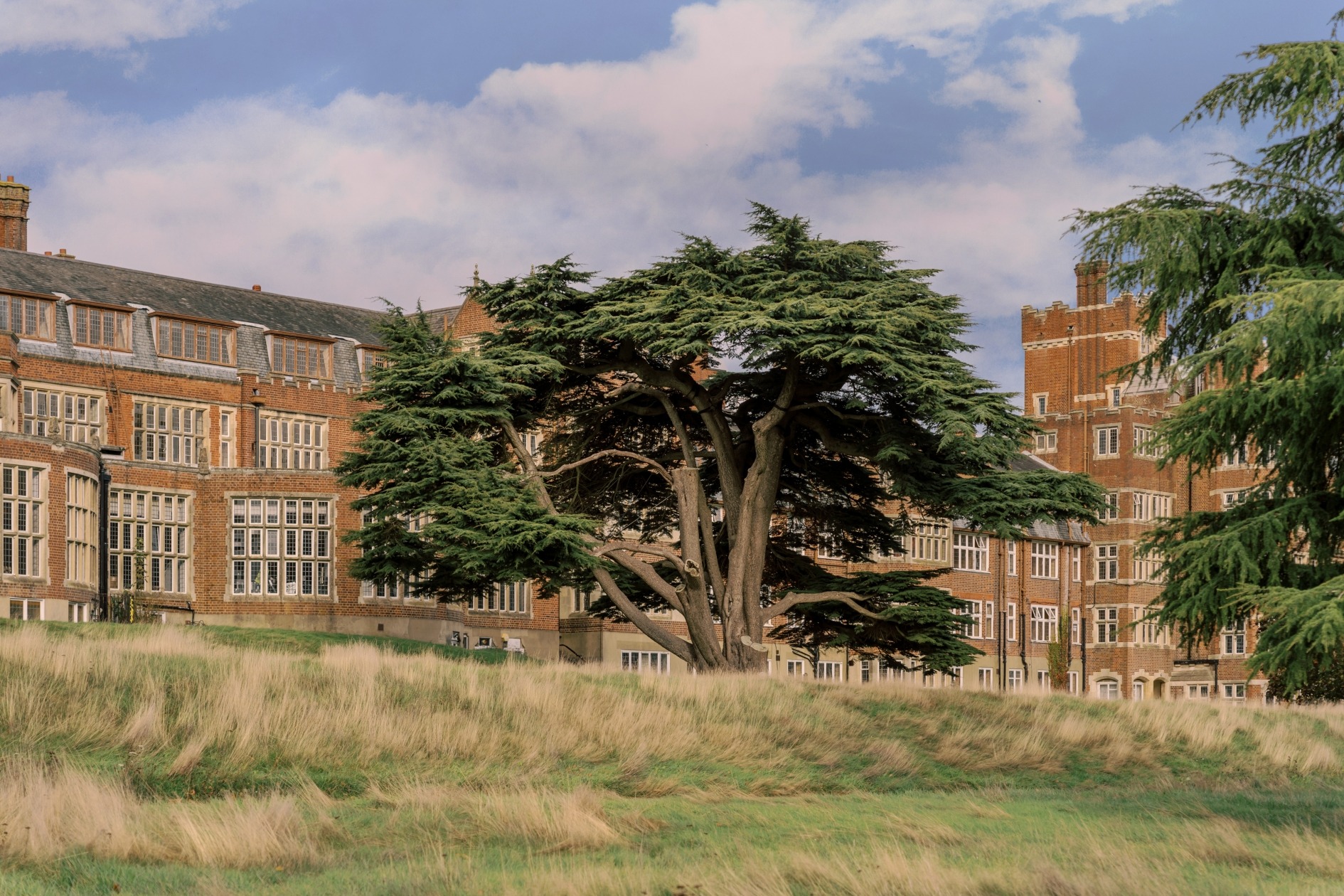
Just 30 minutes south of central London, Selsdon Park is the second location of the award-winning hotel concept Birch. With carbon-negative cork floors, recycled yarn curtains, secondhand furniture, and bespoke wall lights made with recycled glass, the London-based design studio A-nrd has refurbished the large 181-bedroom Victorian manor to have as little environmental impact as possible, and to create a space that is both hospitable and inspiring.
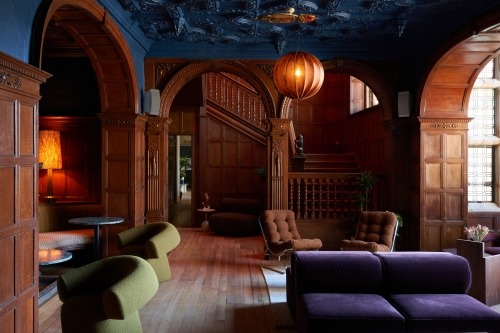 The Snug
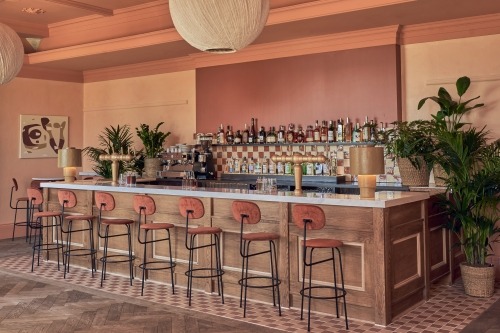 The Meadow Bar
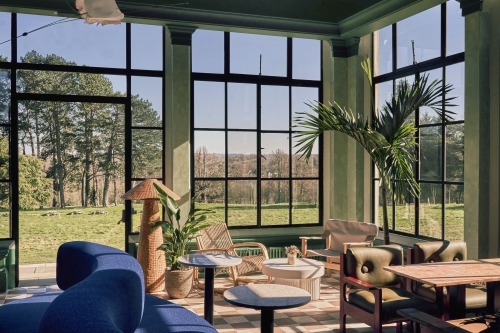 The Orangery
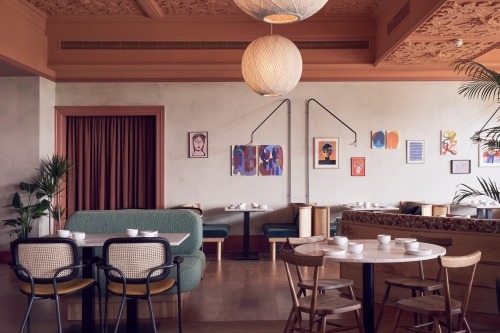 The all-day dining room, Vervain
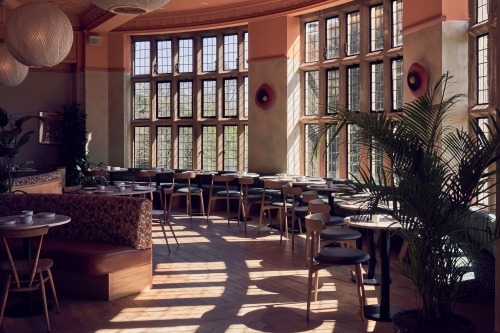 The all-day dining room, Vervain
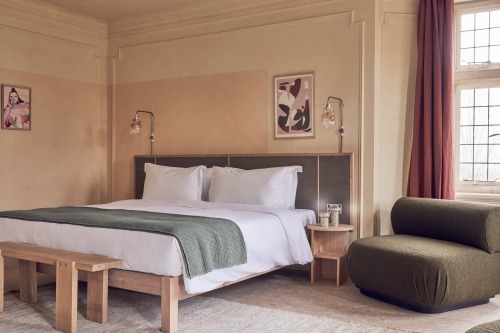 Guest Room
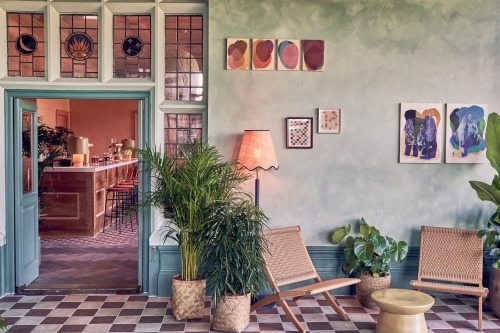 The Orangery
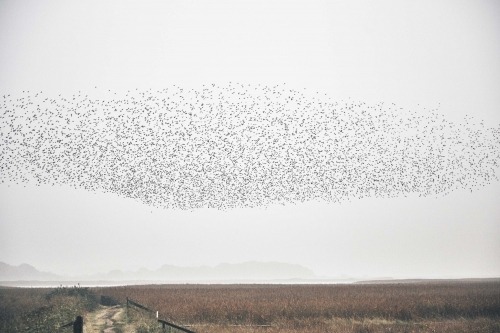
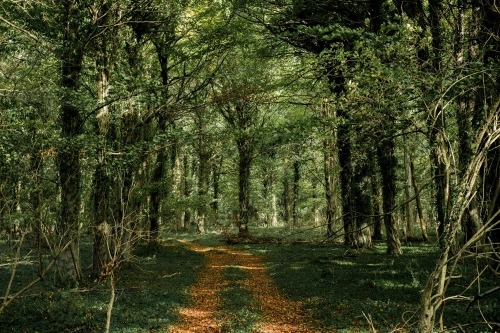
The project will also see the 200-acre estate (which used to be a golf course) regenerated and returned to its natural state, spearheaded by furniture designer, maker and environmentalist Sebastian Cox. On a warm morning in June, Cox took a small group of us on a tour of the estate to show us his plans to restore the grounds. Britain is one of the most nature-depleted countries in the world. Originally, the estate would have been a mosaic of woodland, scrubland and meadows. He explains that the restoration process will involve reintroducing a low density of livestock, once found in abundance in the UK, to graze the site. These heritage breed hardy herbivores, including Sussex cattle, Exmoor Ponies and pigs, will turn the earth with their snouts to expose soil for annual wildflowers to grow.
While centuries of agriculture have led us to associate these animals with areas of open land, there is evidence to suggest that they would have inhabited forests too. Holly, for example, which grows at the edge of woodlands, has spiky leaves lower down and smoother leaves higher up, an adaptation developed to ward off cattle. At Birch Selsdon, the animals will be encouraged to roam the forest as they would have done naturally, in turn helping to manage the growth of woodlands.
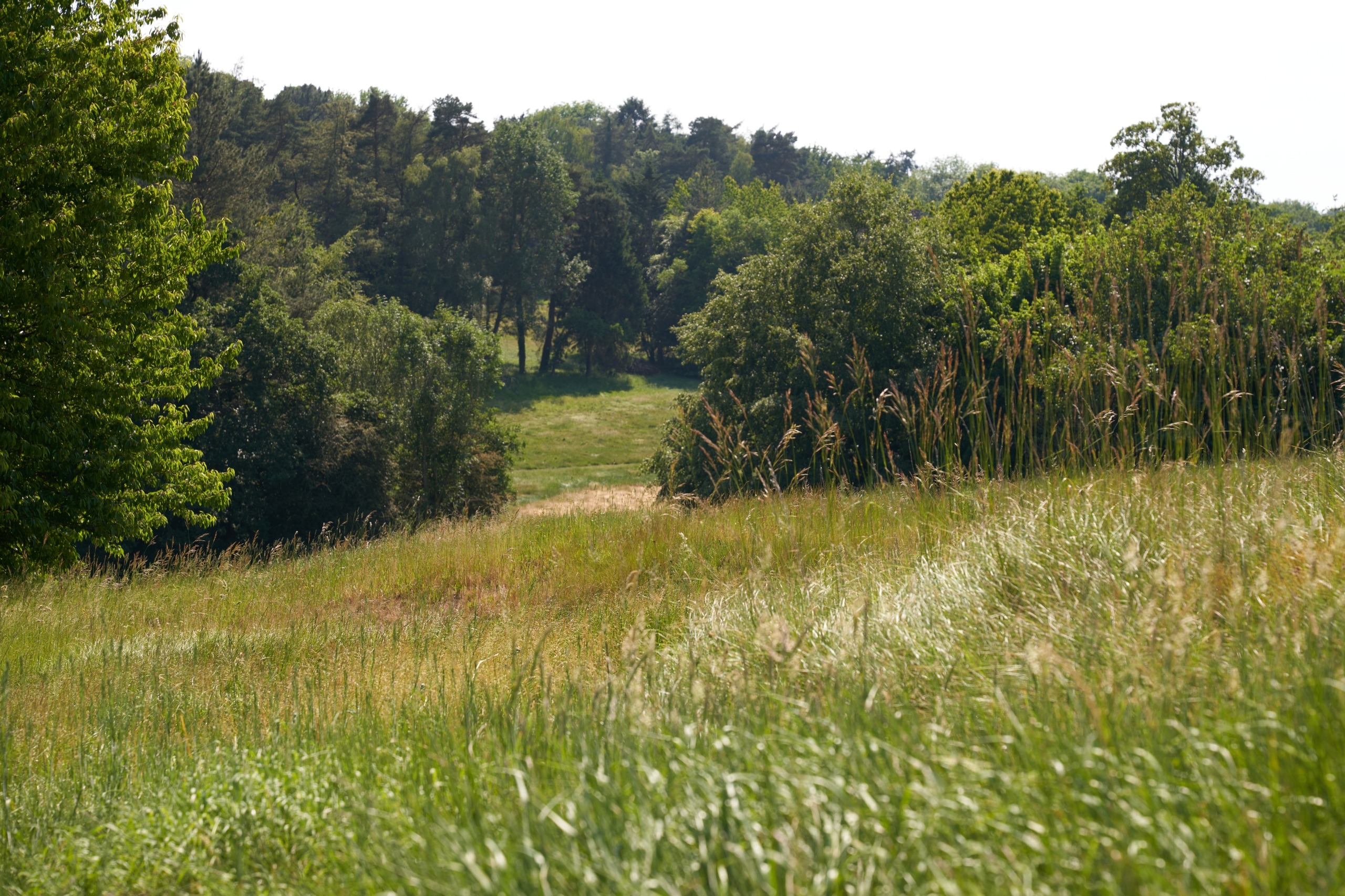
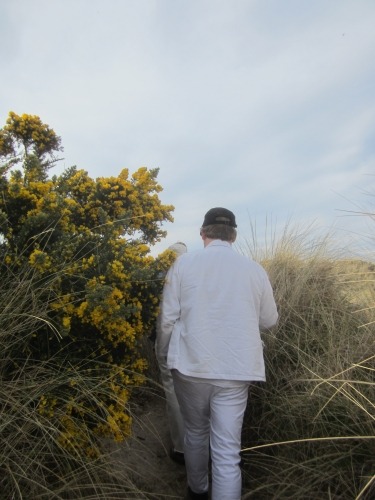
Already a variety of species are returning to the land including stitchwort, common orchids, ash saplings, as well as many different types of grass
Even without the animals there, ash saplings and common orchids have already begun to sprout in the meadows as a result of the rewilding process. Over time, Cox hopes that endangered species native to this part of England, such as dormice, nightjars, and nightingales, will return due to the restoration of their scrubland habitat.
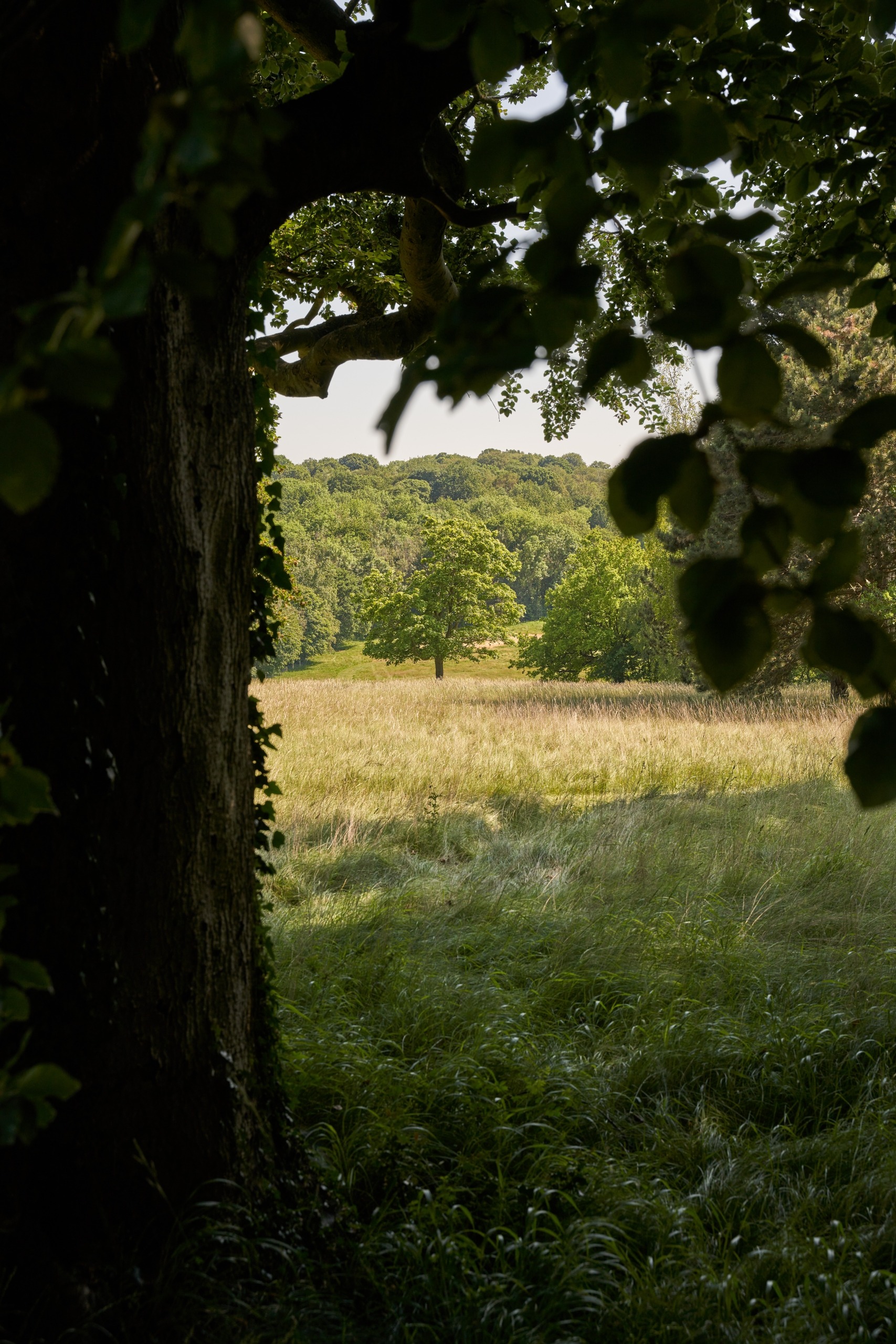
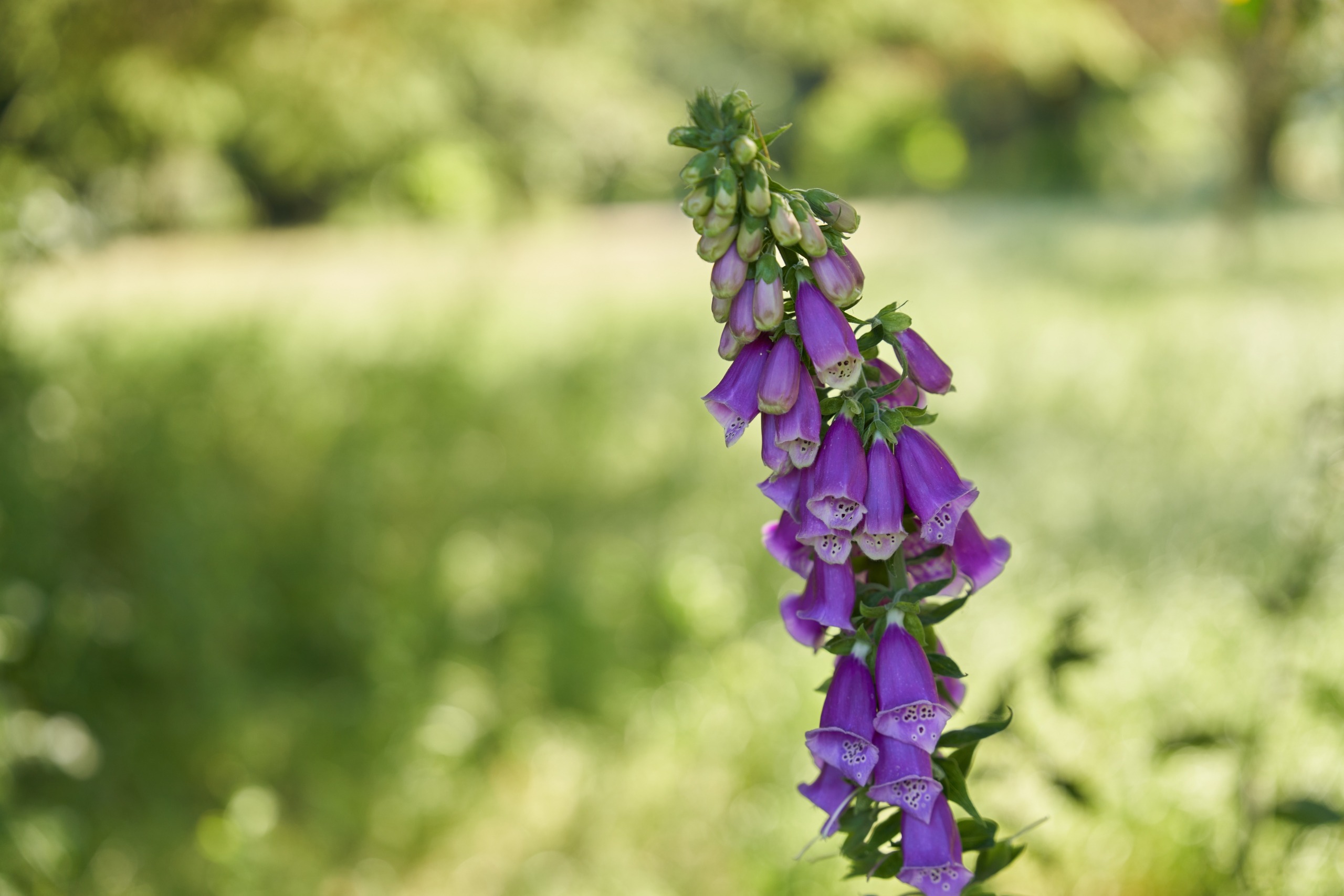
Keen to ensure the rewilding is done properly and for the right reasons – not just as a marketing strategy – Cox took baseline ecological surveys at the beginning of the project to track its progress. The importance and necessity of rewilding are proven by one small patch of grass that used to be the best-kept part of the golf course. It was so reliant on pesticides, fertilisers and irrigation systems that, ironically, without human intervention, it has completely died. Originally, this patch of grass would have been self-sufficient and filled with a diverse range of plant and animal species.
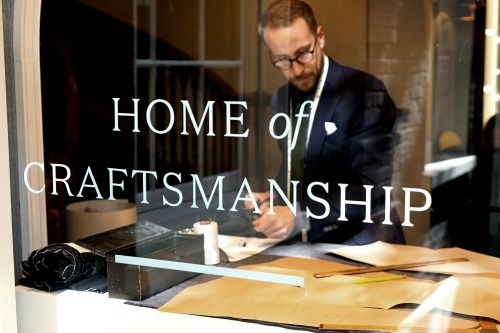
As much as the land has and will benefit from the hotel’s rewilding project, the hotel depends upon it for resources. A number of furniture items, including a large dining table, 350 bedside tables, and two curved booths for the restaurant, have been crafted by Cox using wood from the estate. Birch plans to craft another large outdoor dining table out of oak, which will seat up to 48 people in the forest. Accompanied by outdoor cooking, it will make the perfect setting for weddings, birthdays and other special events.
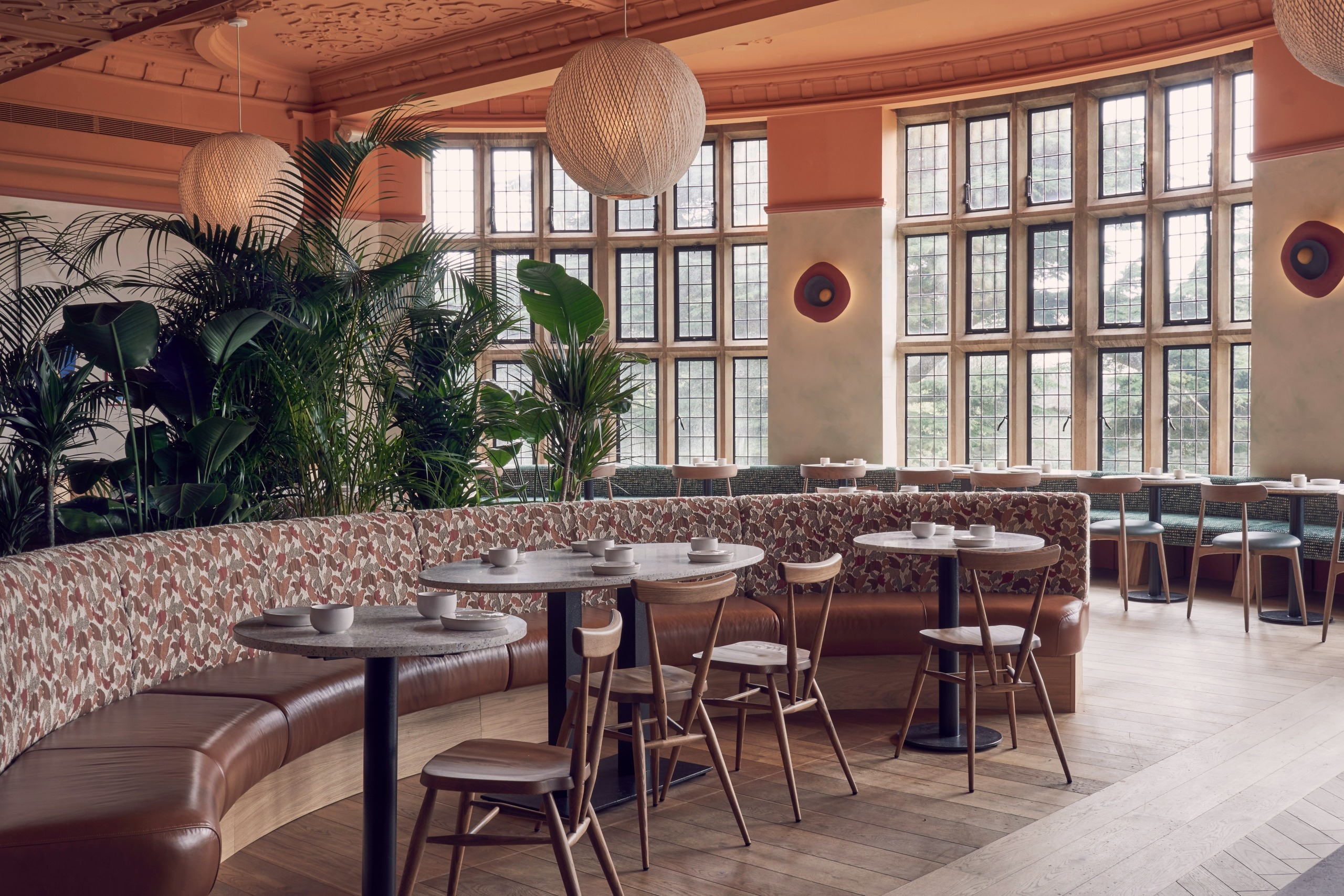 A-nrd designed two curved booths for the Vervain restaurant which were crafted by Sebastian Cox using rough-sawn timber sourced from the estate
So too, at the hotel’s Vervain restaurant, headed by Michelin-starred chef Lee Wescott, what is on the menu depends on what is growing. Should an invasive species appear on the land, and it is edible, it will be added to the menu, Cox tells us. This co-dependent relationship reverts to an ancient way of existing in nature; one that strikes a balance and doesn’t over (or mis-) use the land.
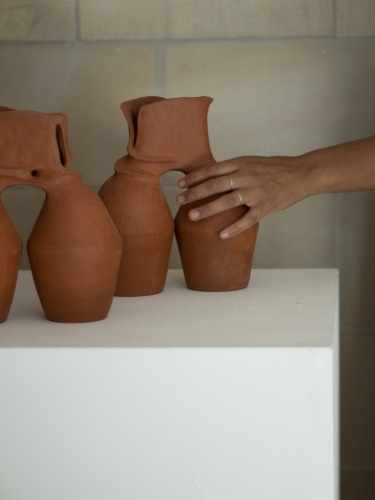
Birch encourages guests to take walks through its rewilded estate, with guided tours by Cox himself. There is also a pottery studio, screen printing workshops, a co-working space, and treatment rooms at the hotel, to ensure a well-rounded and enriching experience. Contemporary displays decorate the walls by artists including the Brixton-based Olly Fathers.
Birch Selsdon looks to its past to construct its future. With species returning to their once-native habitat and the land reverting to its original state, it is exciting to think of where this rewilding project will end up. An exemplary model of how to live in harmony with nature, Birch Selsdon makes use of what is on offer but will allow it to thrive without human intervention.
Birch (Selsdon), 26 Addington Road, South Croydon, CR2 8YA