James Levelle
WORDS YASMIN JONES-HENRY
I first met James Levelle in August 2019; he was just two weeks away from embarking on what he referred to as a ‘once-in-a-lifetime adventure’. There was a sense of breathlessness about him, as he described racing from one location to the next, making last-minute preparations for his four-month expedition. Over a coffee at the Good Egg in North London, Levelle laid out his plans to capture, on film, the upsurge of global youth protests around the climate crisis. Using his own platform as an award-winning documentary filmmaker, he intended to amplify their voices from around the world, bringing their messages to world leaders at the COP25 conference, due to be held in Santiago, Chile, later that autumn.
This project – Race for Future – enabled Levelle to combine his experience as a filmmaker with his passion for nature, while testing his own limitations, as he endeavoured to travel from his home – a houseboat in Hackney – to Santiago, Chile, fossil-fuel free.
When I asked Levelle what had provoked his pilgrimage in support of climate action and activism, he explained: ‘damn near dying in Hurricane Michael in 2018. It was the third most powerful hurricane in American history. Knife-edge stuff. Totally terrifying. The fact this was intrinsically linked to the story of the global climate crisis made this different to my previous near misses. It put front and centre in my mind how bad the climate crisis can get. And then the question was, “What am I going to do about it?”’
Levelle sailed, cycled, scootered and drove (he is the first to have driven an electric car from Buenos Aires to Mendoza) his way towards his destination of Chile and the COP25 summit. Due to civil unrest, however, the conference was rescheduled and relocated to Madrid. The UN made this decision while Levelle was halfway across the Atlantic, on a tall ship destined for South America. ‘My ship had literally sailed,’ he says now.

As a self-taught filmmaker, Levelle cut his teeth making documentary films for human rights and environmental NGOs; ranging from exposing the horrors of child labour in the cotton fields of India to the illicit trade of tiger skins and bones in Tibet. Those projects, among others, led him to work for National Geographic, the BBC and the Discovery Channel.
Working on series such as Hurricane Man (2018, BBC Earth, UKTV), ‘chasing the most powerful and deadly storms’, found Levelle being tasked with ‘figuring out how to navigate the unknown’.
Race For Future proved to be another lesson in resilience. Despite the logistical setback, Levelle did complete his mission. His film was shown at both the COP25 and COP26 conferences in Madrid and Glasgow. He succeeded in his primary objective: to give the young activists he’d met during his expedition a platform to speak directly to the gathered world leaders. ‘Instead of despair or apathy, [the activists’] response was to create initiatives and protests to ensure their voices were heard’ Levelle says now. ‘Seeing the world through their eyes gave me great faith in the human spirit and our potential to achieve the extraordinary – despite the odds. The kids had a clear vision and were working together to make it happen.’
Levelle had planned to release Race for Future to a wider audience in 2020. Meetings were scheduled, money had been invested – then everything came to a screeching halt when the world went into lockdown. ‘The honest, vulnerable truth is, I didn’t know what to do’, Levelle admits. ‘All my plans had gone up in smoke. I was having to rapidly adapt – as we all were. We were staring into a void, we had no idea where everything was going, everything was incredibly bleak.’
Two and a half years later, sitting on his house boat, moored just outside Bath on the river Avon, we are picking up the threads from our original conversation. There is a palpable sense of peace that floats across the water; a stark contrast to London and its soundtrack of chaos that presented the backdrop to our first encounter. I am curious to know how Levelle coped with the disruption of multiple lockdowns, and why, during the uncertainty of the global pandemic, while we all retreated indoors – he decided to venture out.
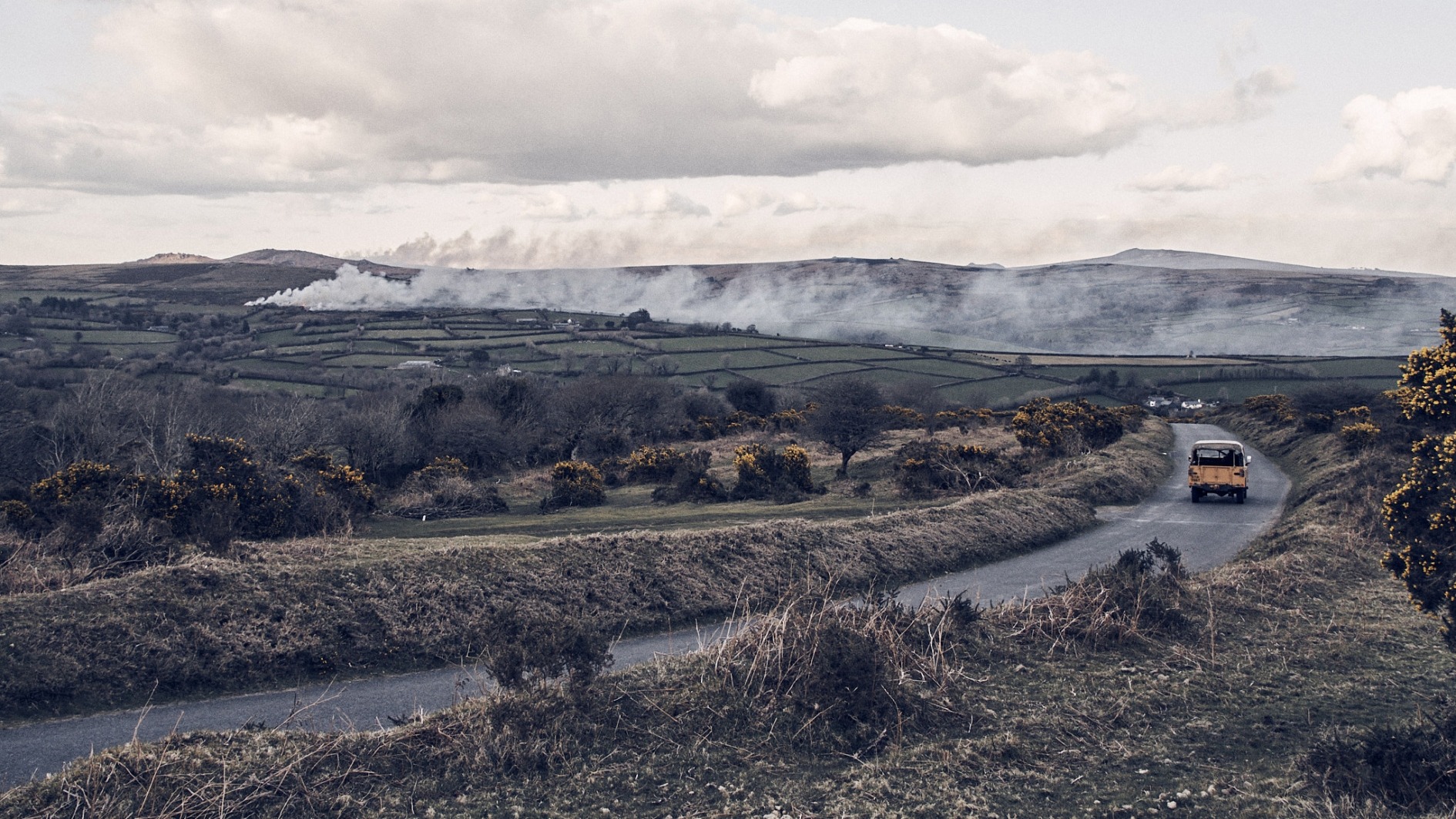
‘I realised that if I was going to be stuck in one place, I needed to be stuck in a place that would be good for me. As lovely as my canal boat in a nature reserve in East London was, that didn’t feel right,’ Levelle reflects. ‘I was extremely fortunate that I had the option of the family home down in Devon, on the edge of Dartmoor National Park.’
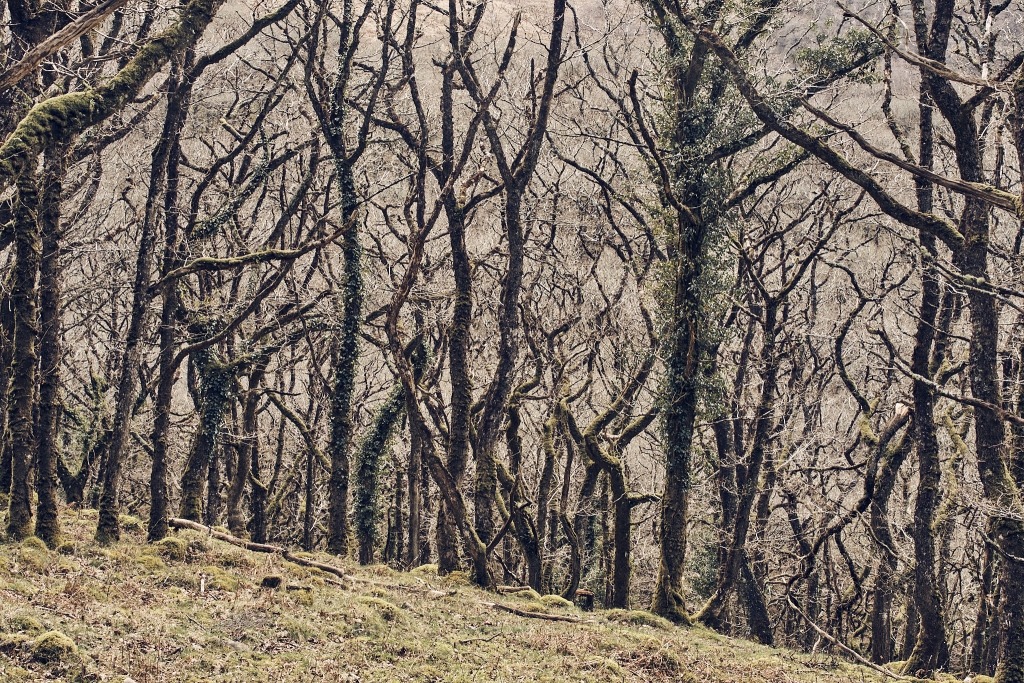
Away from London, Levelle began to explore Dartmoor. ‘I instinctively grabbed a backpack, made myself a sandwich and walked out of the house and just kept on walking. I swam, watched the buzzards fly, and talked to the wild ponies. I was looking for connection, space, freedom… peace. I went out to go in.
‘After a career and life of some pretty energetic and intense exploring, I had to stop, whether I liked it or not,’ he continues. ‘It was very healing and therapeutic. I combined my walks and wild swimming with meditation, which enhanced that experience of going out to look within. The more I did that – the clearer my vision became and every time I’d go for a walk on the moor, I would see more and feel more.’
He started writing and shaping his own philosophy on ‘rewilding’ – not in terms of planting, but as humans and as an extension of nature. ‘I felt a connection with something much bigger than myself, something spectacular and mysterious.’
This intense period of introspection, he says, has led to a lifestyle-rethink: ‘As a tiny boy, growing up in Dartmoor, I remember just exploring. I remember climbing trees; there’s photos of me as a child inspecting flowers, I was deeply curious. When you have that connection with nature, that connection nurtures you. But then you go out into the world, and you have a career – it can become a distant memory.
‘It took the world stopping for me to truly reconnect with that same child,’ he says. ‘It all came back to me. Now, I just try to keep that as alive as I possibly can.’
As Levelle prepares his new project; rediscovering the hidden histories of the British landscape, he is eager to unlock further stories of where we’ve come from, where we are now, and where we’re going. His work as a storyteller has evolved as he looks closer to home for adventures that reveal how sustainable living, regenerative design and local craft can reconnect our society to nature. ‘My focus is in trying to flow forward through the amazing and infinite potential in life, navigating relationships and bringing these connections together: being in nature and being a part of it.’
This autumn, James Levelle will be organising a series of screenings of ‘Race for Future’ in London and Bristol.