Anne de Charmant's my hole-and-corner
Interview Tamsin Blanchard
Photograph Maurice Cassidy
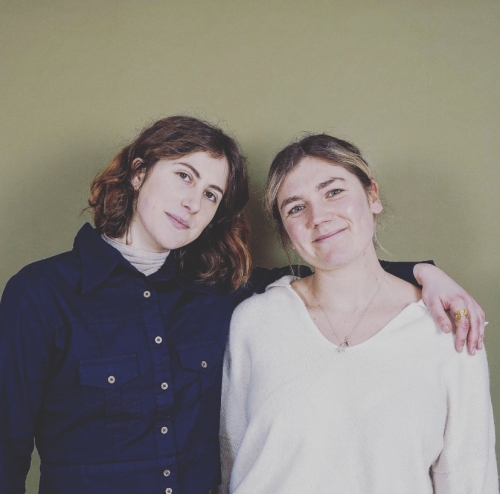
Anne de Charmant is artistic director at Meadow Arts, a contemporary art charity that works with heritage buildings, historic sites and landscapes and other public spaces to bring contemporary arts projects and large-scale exhibitions to unexpected places and new audiences. She explains why an ancient oak tree is her special refuge…
A ‘hole-and-corner’ is an old English term meaning a secret place: somewhere you go to escape the world, to be inspired, to contemplate and create. Where is your ‘hole-and-corner’?
I have the good fortune to live in a little rented house on a large country estate, in rural Shropshire. The estate is a landscape in itself, containing shadowy woodlands and boundless fields, fake ruins and a grotto, as well as a number of extraordinary trees such as giant Redwoods and an impossibly tall tulip tree. It also has a fairly large lake, which is fed by waters from a series of pools cascading down a mysterious wooded valley.
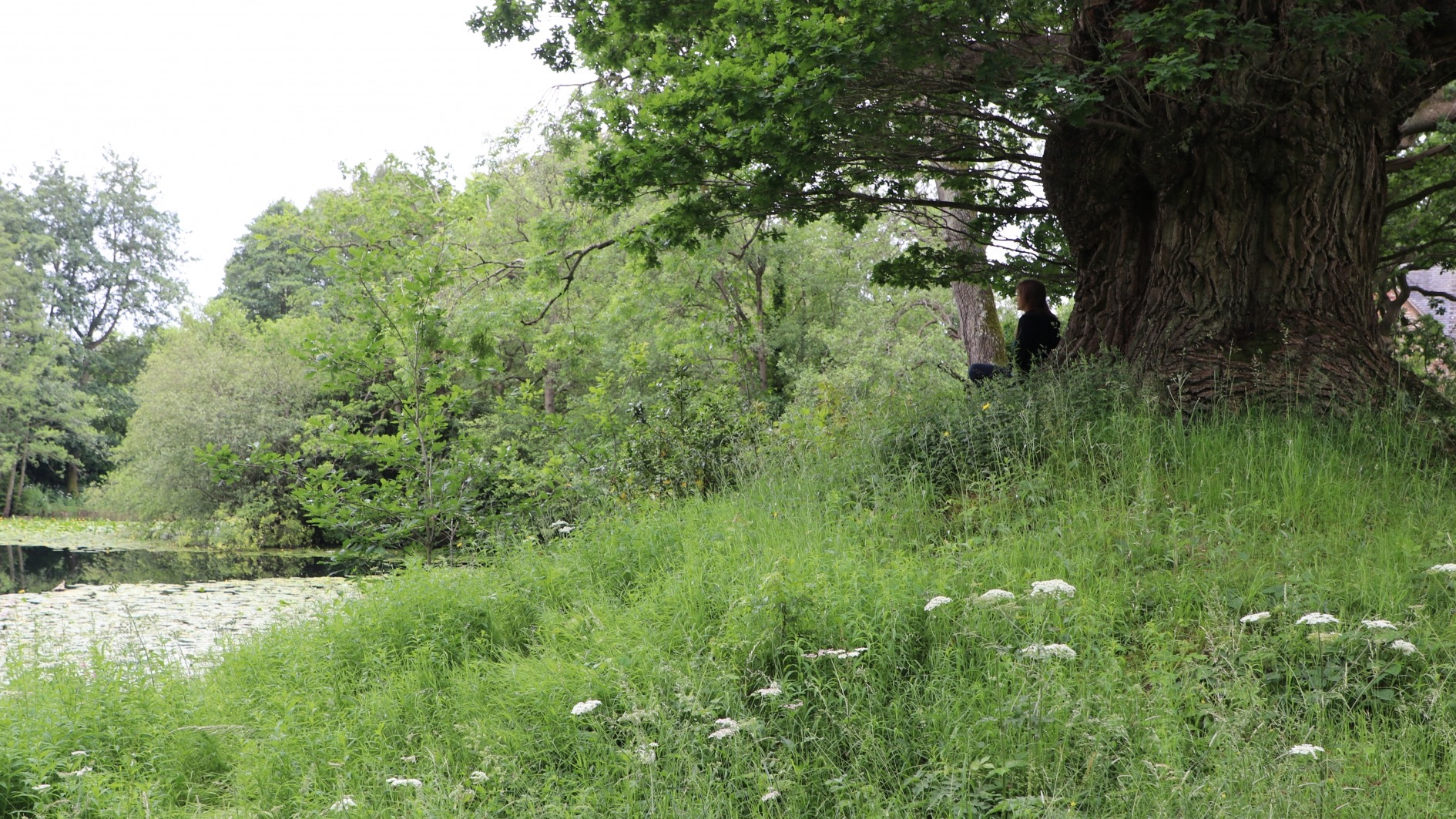
At the lowest corner of the lake, near a path, is an ancient oak tree, perhaps as much as 500-600 years old. The oak has been well taken care of over the centuries, it is vigorous and strong; but what really sets it apart is that it seems planted on a ‘tump’ or mound. This perfectly conical bank has steep slopes that culminate in a magnificent system of snaking roots. This is where my refuge is: a small area formed by the folds and bends of great old roots, where I sit with the bark of the trunk for back support. The most natural way to sit there is to cross my legs in a meditation position.
Can you explain why it is so special to you?
No one has really been able to tell me why the oak grows on this ‘tump’. It could be an old way of determining boundaries, or a funerary ritual site, or just an accident of nature, but it is a rare feature. I can also disappear from view there; I can feel myself becoming part of the nature’s system: Tree – Tump – Anne – Roots. Admittedly I have used this hole-and-corner in moments of inner turmoil, but also in times of reflection, planning, dreaming and meditating. The place also changes with the seasons. Comfortable moss covers the roots, in the spring and autumn. Wild flowers grow in the summer, slightly different from what grows elsewhere. In the winter, I am sheltered from the coldest winds. My hole-and-corner has the power to still and inspire me.
Is it important to you to have somewhere to escape from the hustle and bustle of life?
My seat at the foot of the oak is a screen free space. I rarely take out my phone when there and never take work with me. These moments are rare and becoming even more so, now that there is no office to go to anymore. I love the change of perspective that happens immediately when I go and sit there, my point of view immediately changes and things become simpler, more gentle.
What do you like to listen to when you’re working (and why)?
Nothing…. I’m too easily distracted.
What elements do you think make a perfect hole-and-corner?
A place where you can be alone, in peace and in nature.
Is it private to you or do you let other people visit?
I tell some people about it and encourage them to use it.
What’s the best advice you’ve ever been given?
We are all totally unique and exactly the same as everybody else.
‘Meadow Arts: the first 20 years’ is out now. Meadow Arts’ next exhibition, ‘All Alone: Contemporary art and aloneness’, is at Croft Castle, Fishpool Valley, from July 26 to October 19; meadowarts.org