Building a Fungi Future at Glastonbury Festival
words meena sears
photographs courtesy of Biohm
Since its origins in 1970, Glastonbury has been a hub for creativity; a place for like-minded people to connect and share their work. It is a place where ideas are born and trends are sparked; where music, theatre, comedy, arts and crafts, mingle and merge to forge new paths. But this year, Glastonbury took things to new heights by creating a stage that is set to pave the way for a more sustainable future.
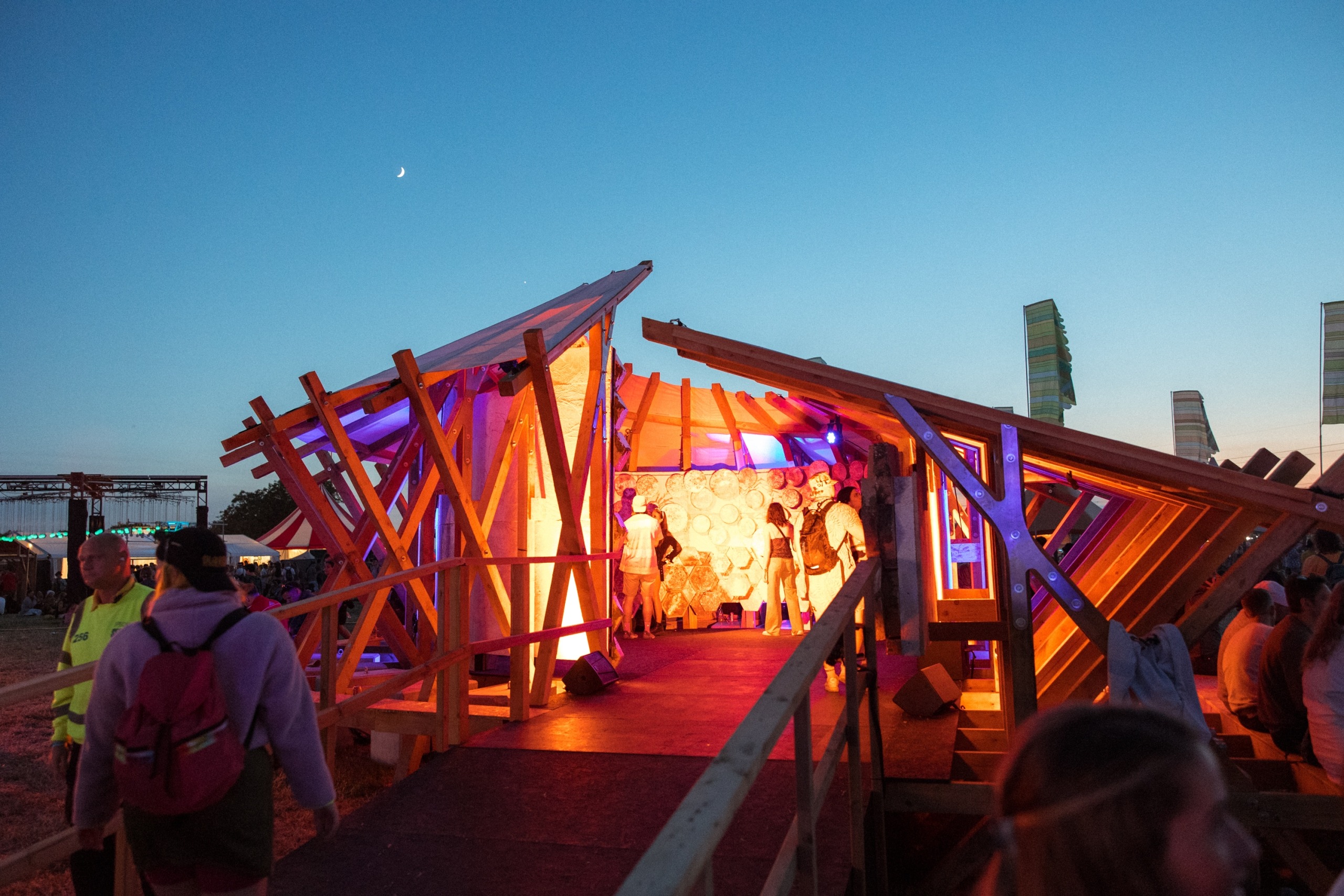
The 6° pavilion at dusk. Photograph by Sienna Gray
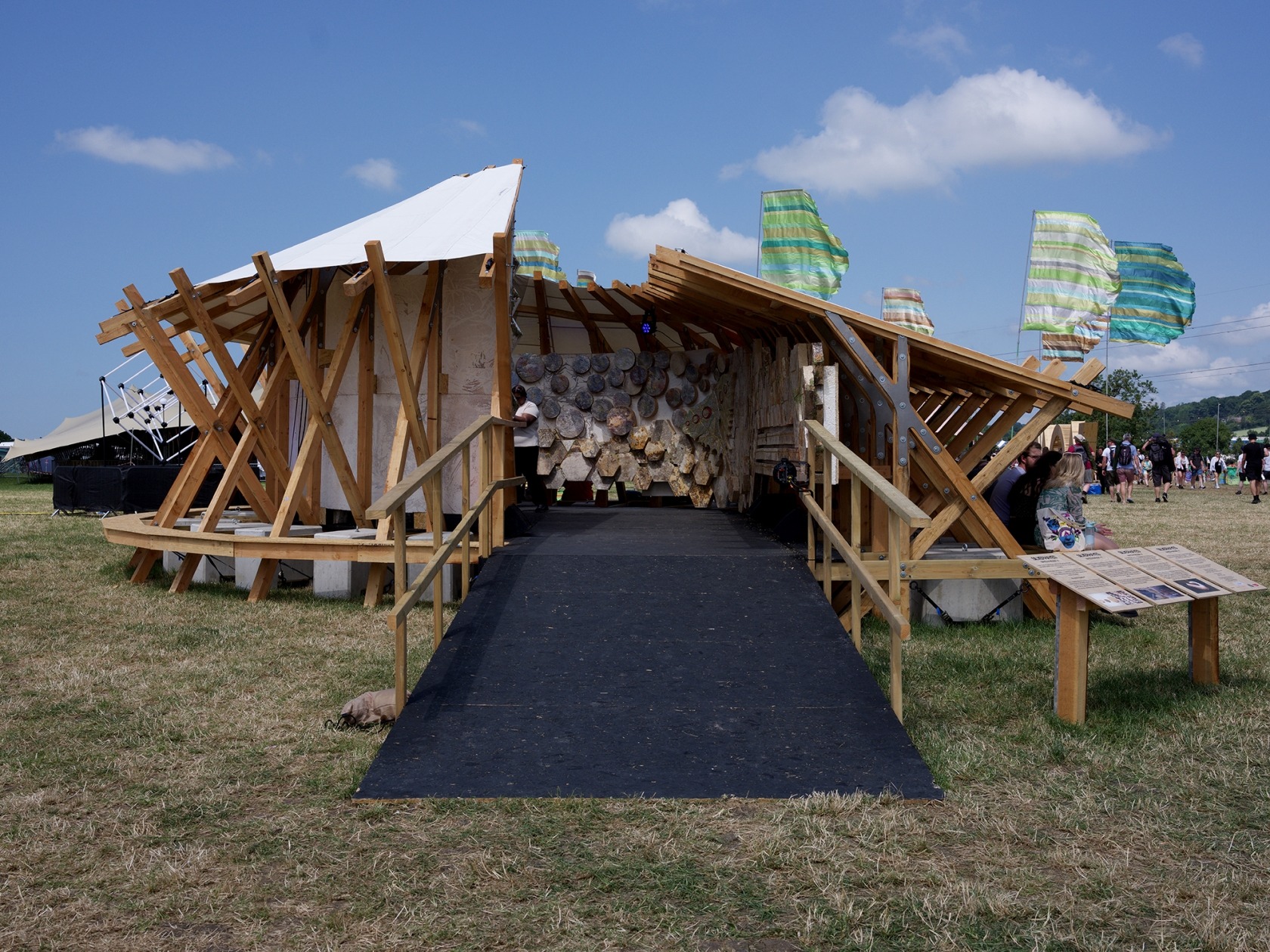
To celebrate its 10th anniversary, Silver Hayes (an area of the festival located just west of the Pyramid Stage) introduced a new artistic pavilion, which harnessed the power of mushrooms. The new pavilion, named 6° as a reference to the concept that everyone is connected by ‘six degrees of separation’, used mushroom roots, known as mycelium, in its construction. When fed with agricultural waste over a period of time, mycelium forms a construction material similar to polystyrene, foam, and plastics – but is entirely organic and compostable.
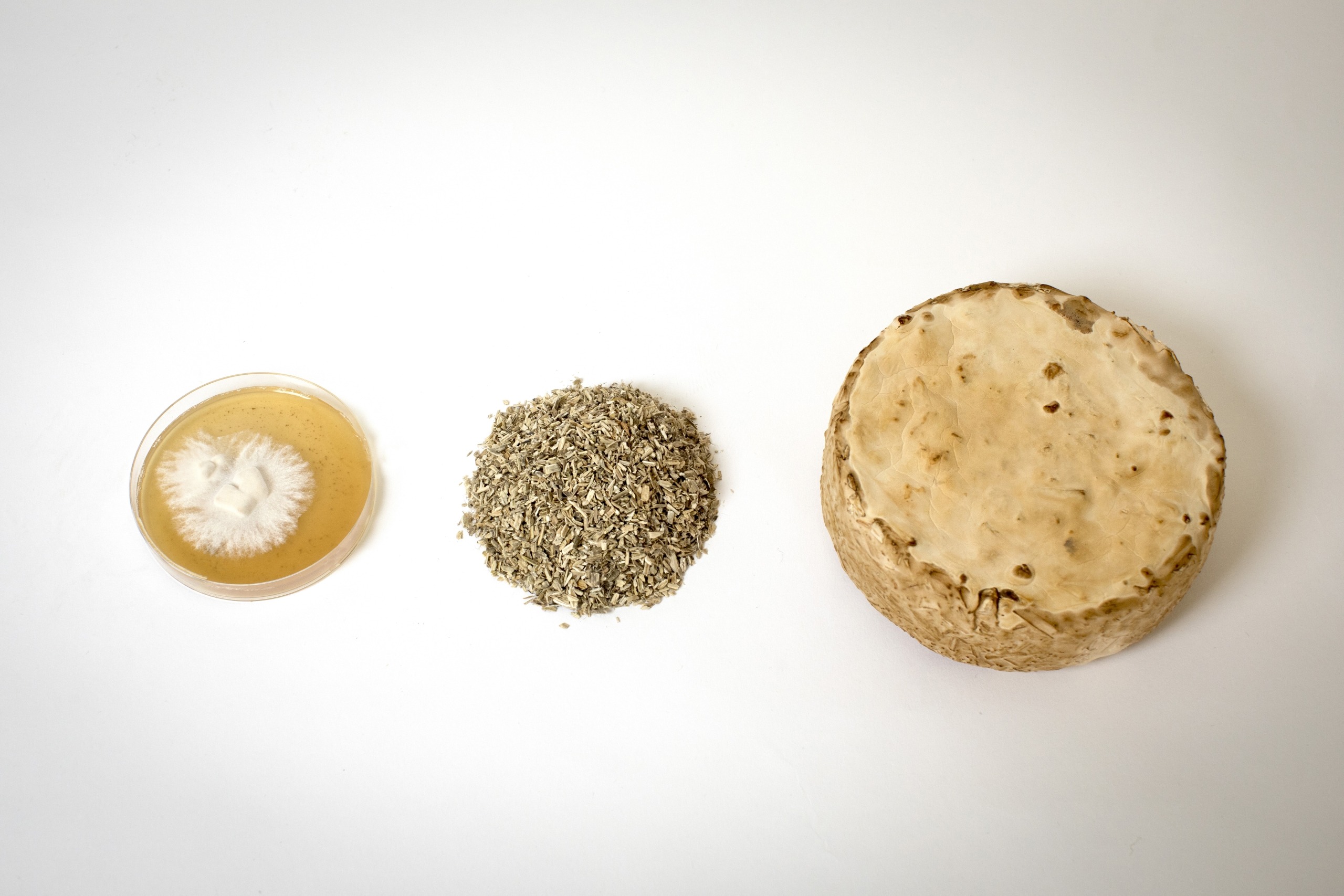
Mycelium being grown at the Biohm research lab in Shepherds Bush, West London. Photographed December 2 2019 by Alicia Canter
The project, spearheaded by the Silver Hayes event and production crew Team Love and designed by Simon Carroll from Temple Design Studio, was established to investigate the possibilities of using this organic material in other creative industries such as film and TV. By incorporating it into the construction of the stage and its art exhibitions, the Pavilion proved the versatility of the material as an industrial and creative tool. A report will be published in autumn revealing the research findings and carbon data collected from the project to help future designers and creatives make use of the biomaterial.
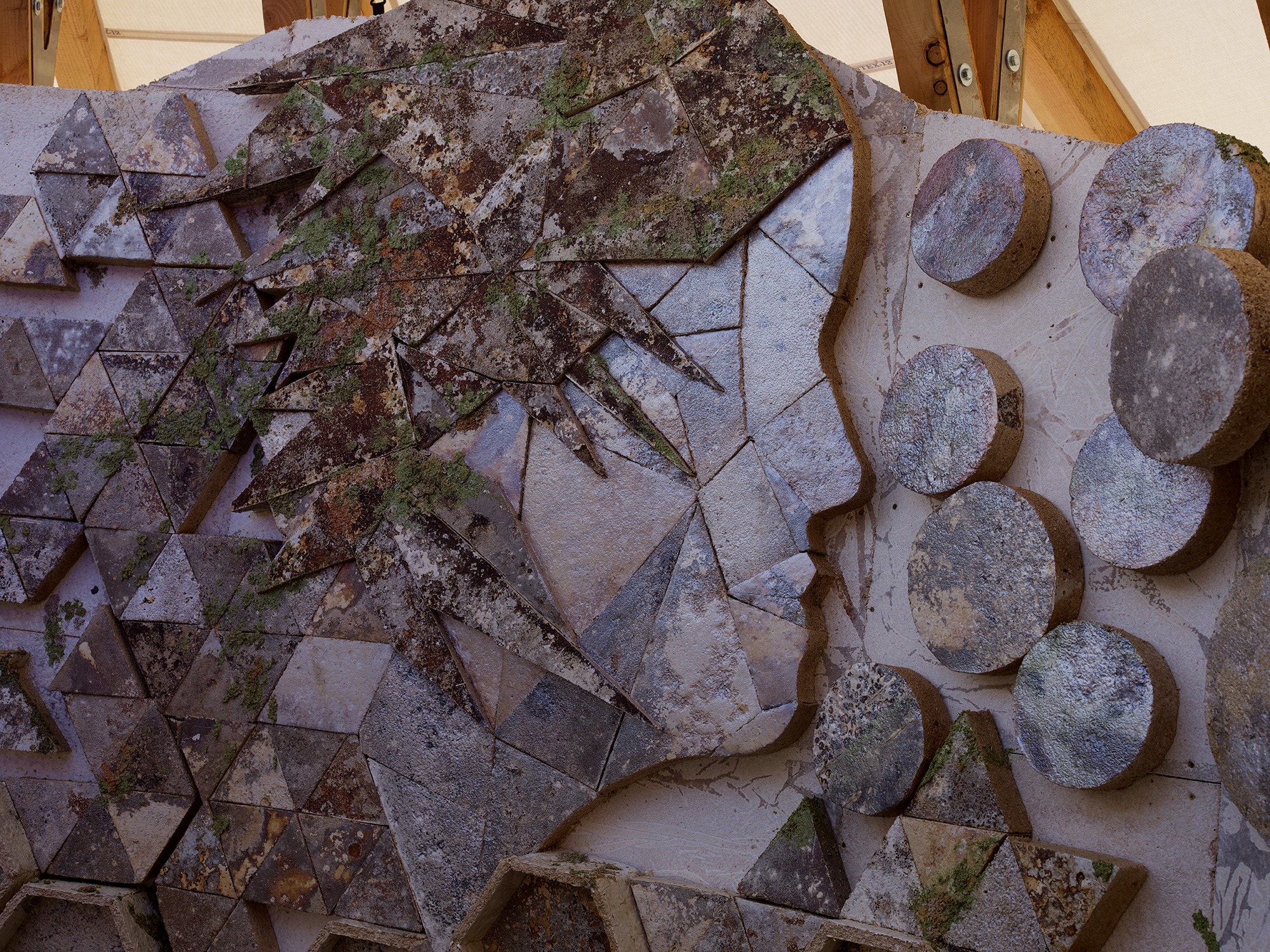
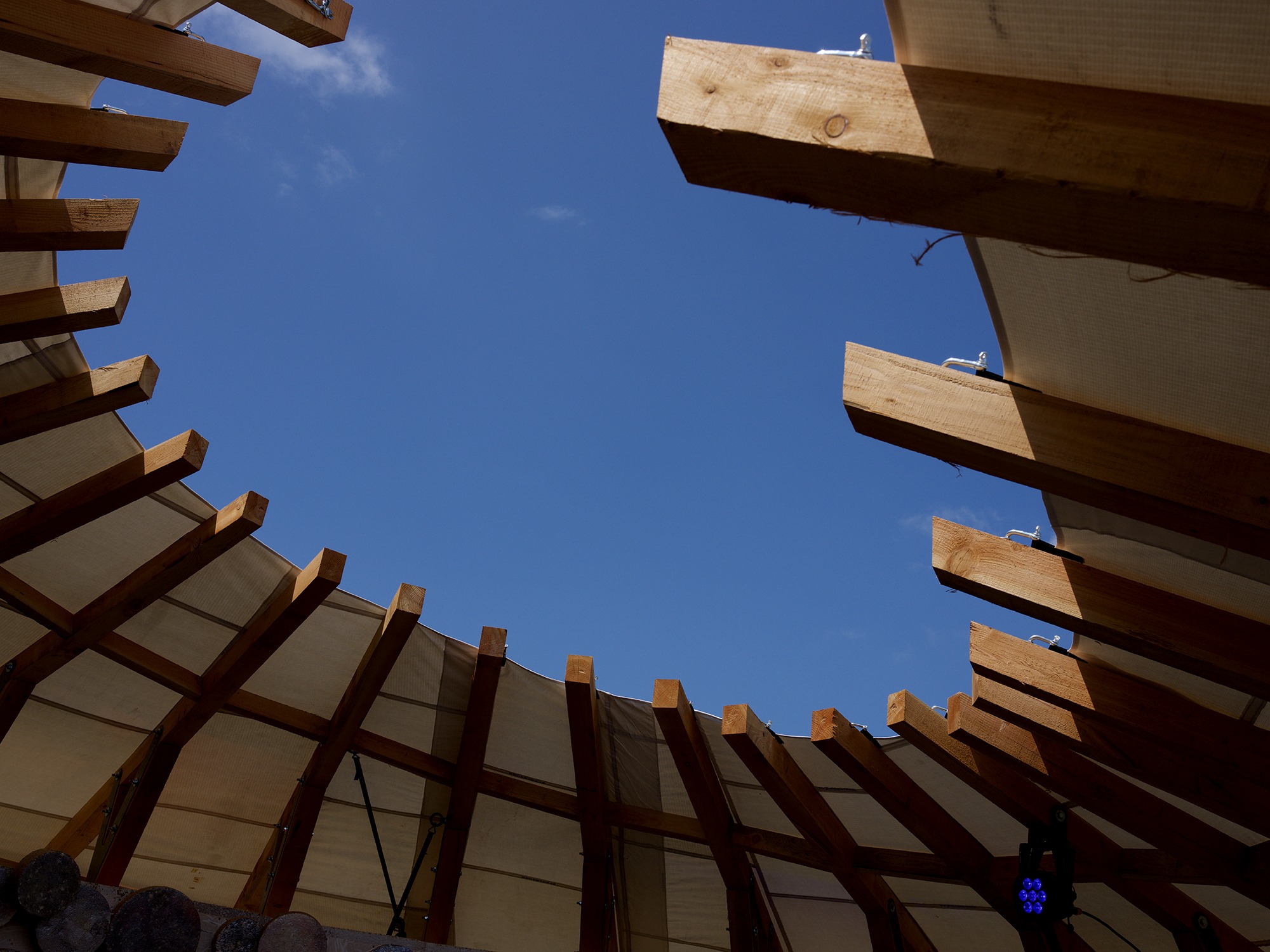
Along with the research, there will be a film that documents the process, made in collaboration with Big Team – Team Love’s youth outreach programme that gives training placements to budding creatives.
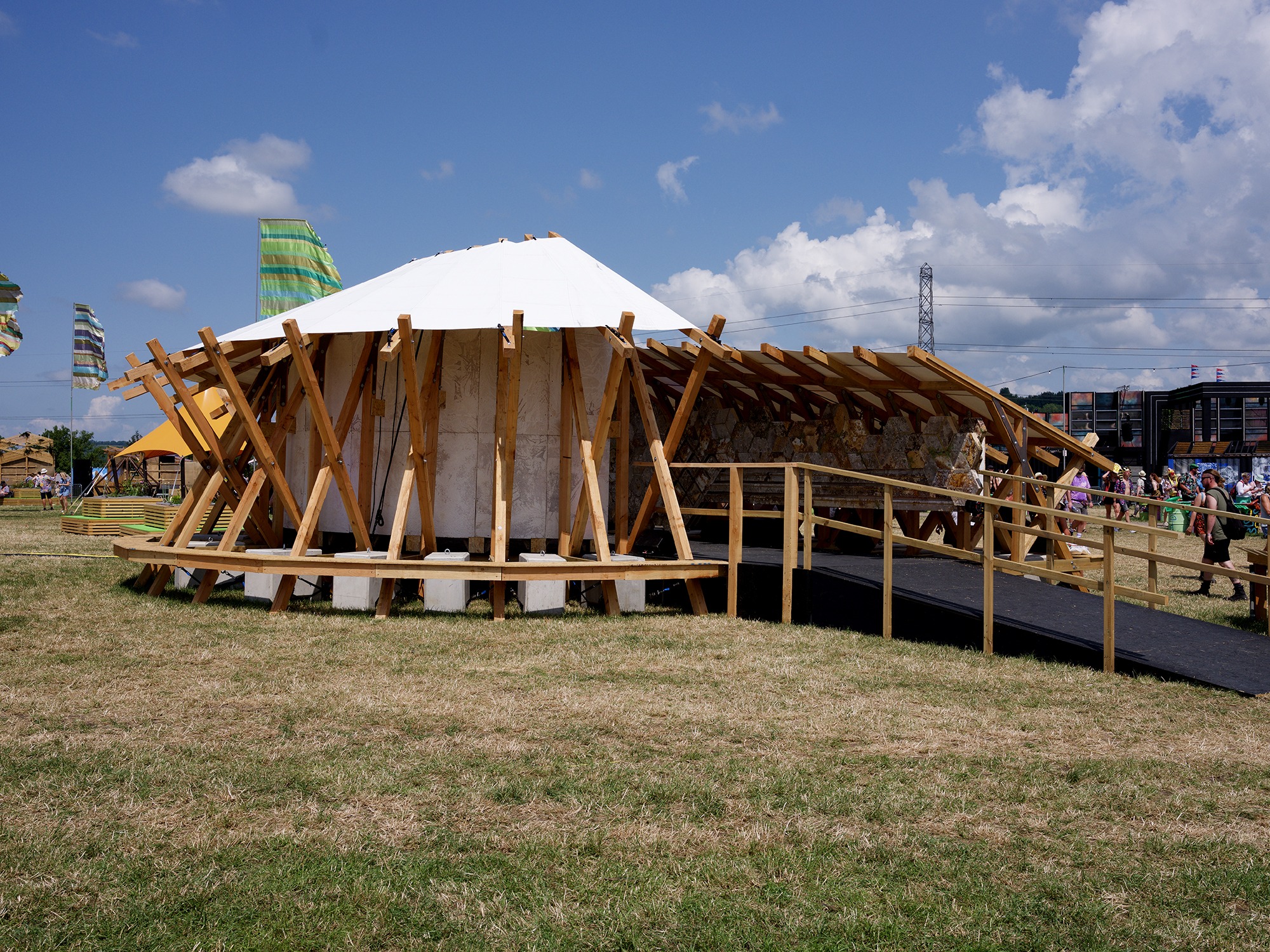
By acting as a kind of guinea pig, the Pavilion demonstrated that festivals can be a site for creative experimentation by pioneering new design practices. With the success of this year’s mycelium masterpiece, it is exciting to think about the future of 6° and how it could be used as a platform for research and development to solve the problems of today.
‘We are entering a crucial time in how we meet creative design challenges with an informed sustainable approach, and to provide the creative industry with an innovative tool kit of materials is such a privilege,’ says Simon Carroll of Temple Design Studio. ‘I hope the work we have done within the project will go on to inspire others to make positive disruptive choices.’