Where the Wild Things Are
WORDS NICK COMPTON
Photographs dan tobin smith
It’s no surprise that Olivier Varichon has dedicated his life to the vine. He slept above wine vats as a boy, after all. But the wild boars are just part of his problems …
The boar hunters are there in the morning. They have parked their 4×4 with its big boorish boar decals on the rough track and you can see them in their high-viz jackets, skulking in the trees. Olivier Varichon’s vineyards lie on contested hunting ground between the villages of Cases-de-Pène and Espira de l’Agly in the rugged Ably valley in France’s far south-western corner. It is good boar country; part pine forest, part vineyard and full of things that boar like to eat. Like grapes.
The hunters don’t seem to like Varichon. He gets in the way of their turf war and their hunting, and his work on the vineyard has disturbed the boars’ established runs and routes. They ignore him even though this is private property and they are trampling all over his land.
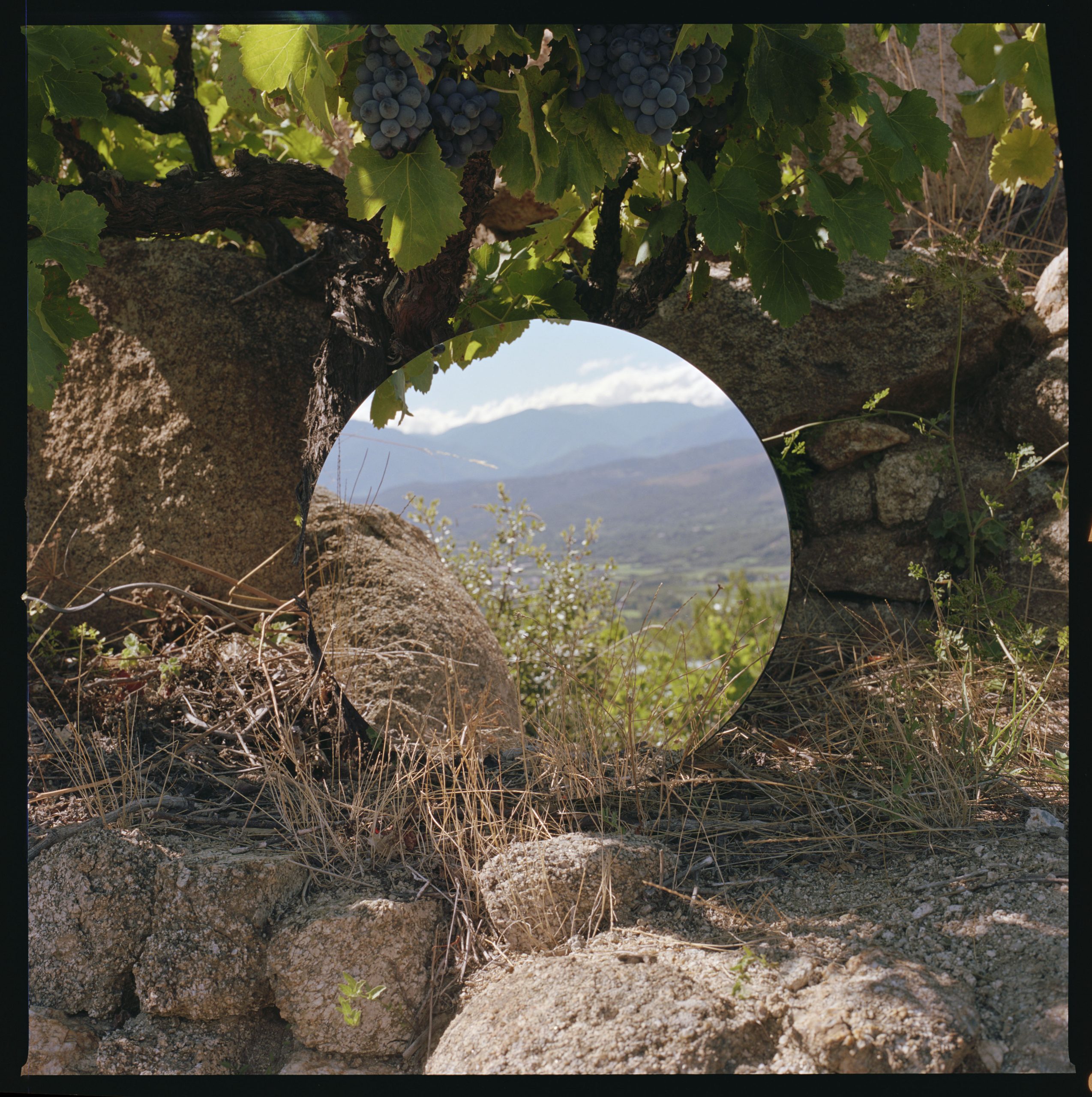
Olivier Aicheron grows ancient carignan grapes on granite soil, 560m above sea level in the rugged Agly valley, Roussillon
One day the hunters of Cases-de-Pène ‘tagged’ Varichon’s plot, scrawling on walls, nailing notices to trees, claiming it as their own. Another day he walked down the hill from ‘Inferno’, his unshaded hilltop plot that gets the full force of the summer sun, to see a few young hunters screech away in their car. Some of his trees were on fire and he had to call in the pompiers to stop it spreading. They had had little sympathy. He even went to the hunters HQ in Cases-de-Pène to see if he could join up, build bridges, make things amicable. And Varichon is a very amicable guy. But the hunters turned their faces away, refusing to acknowledge him. Varichon does things differently and some people in these parts don’t appreciate different.
Not that Varichon thinks kindly of wild boar of course. A few years back – his grapes plump and ripe and ready for harvest – a boar got under his wire and munched his way through the whole lot. The hunters have been known to cut his wires too to let the boar have their fill. Boars are the enemy. Them, and frost and hail stones and leaf mould and other diseases. They can take out an entire crop. The hunters are just an irritant and they drive off in their decalled truck, a boar strung across the front and looking mighty pleased with themselves. ‘Now they can go back to the village and play the hero,’ Varichon says, surprisingly sanguine.
It is warm September day and we walk around Rafalot, the lower of his two plots in this particular part of the valley. Rafalot measures less than a hectare and is surrounded by pine trees and rock face with some olive, almond and fig trees thrown in, some planted by Varichon. This is what he likes about the plot, what brought him here: the isolation and insulation.
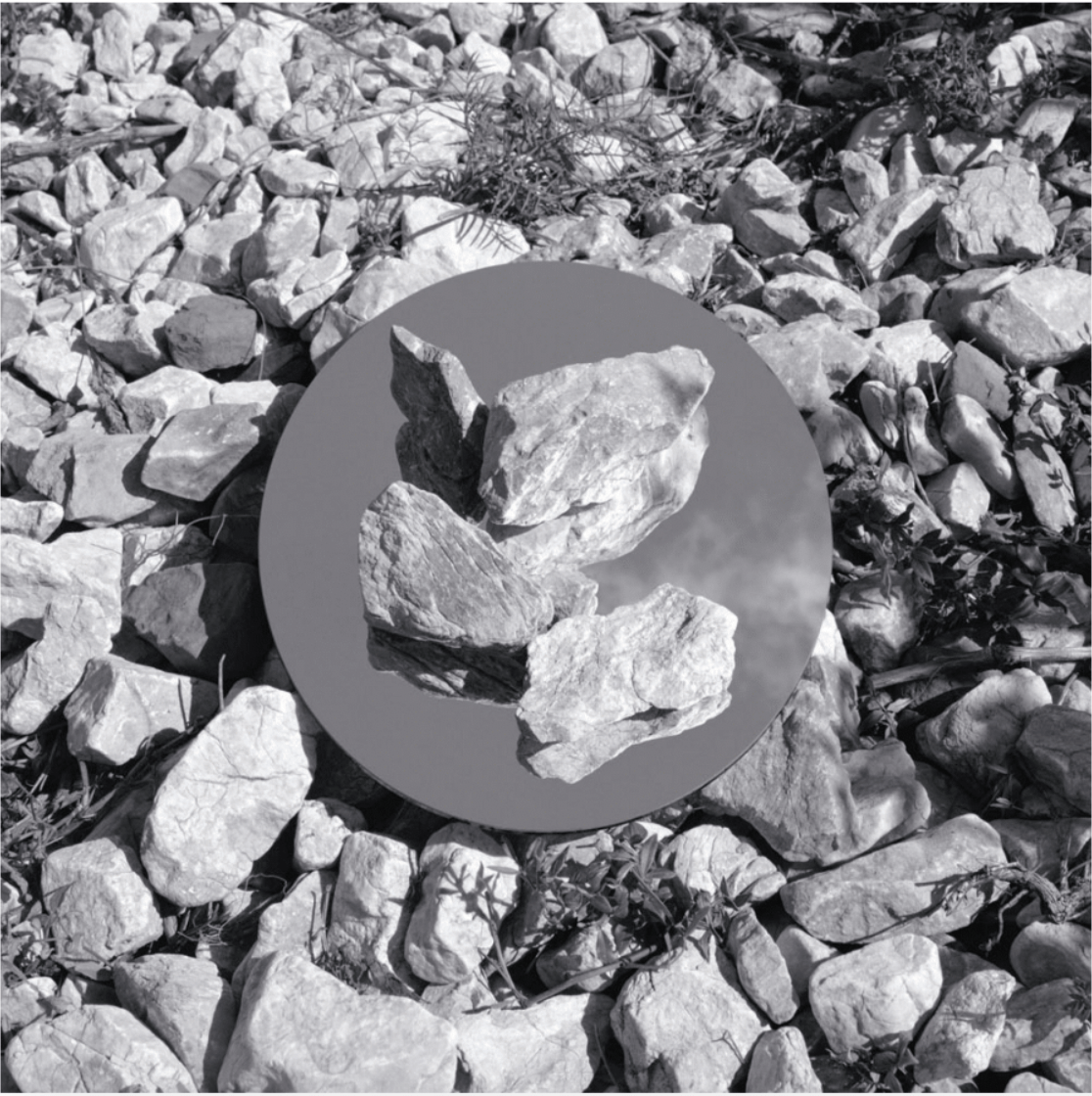
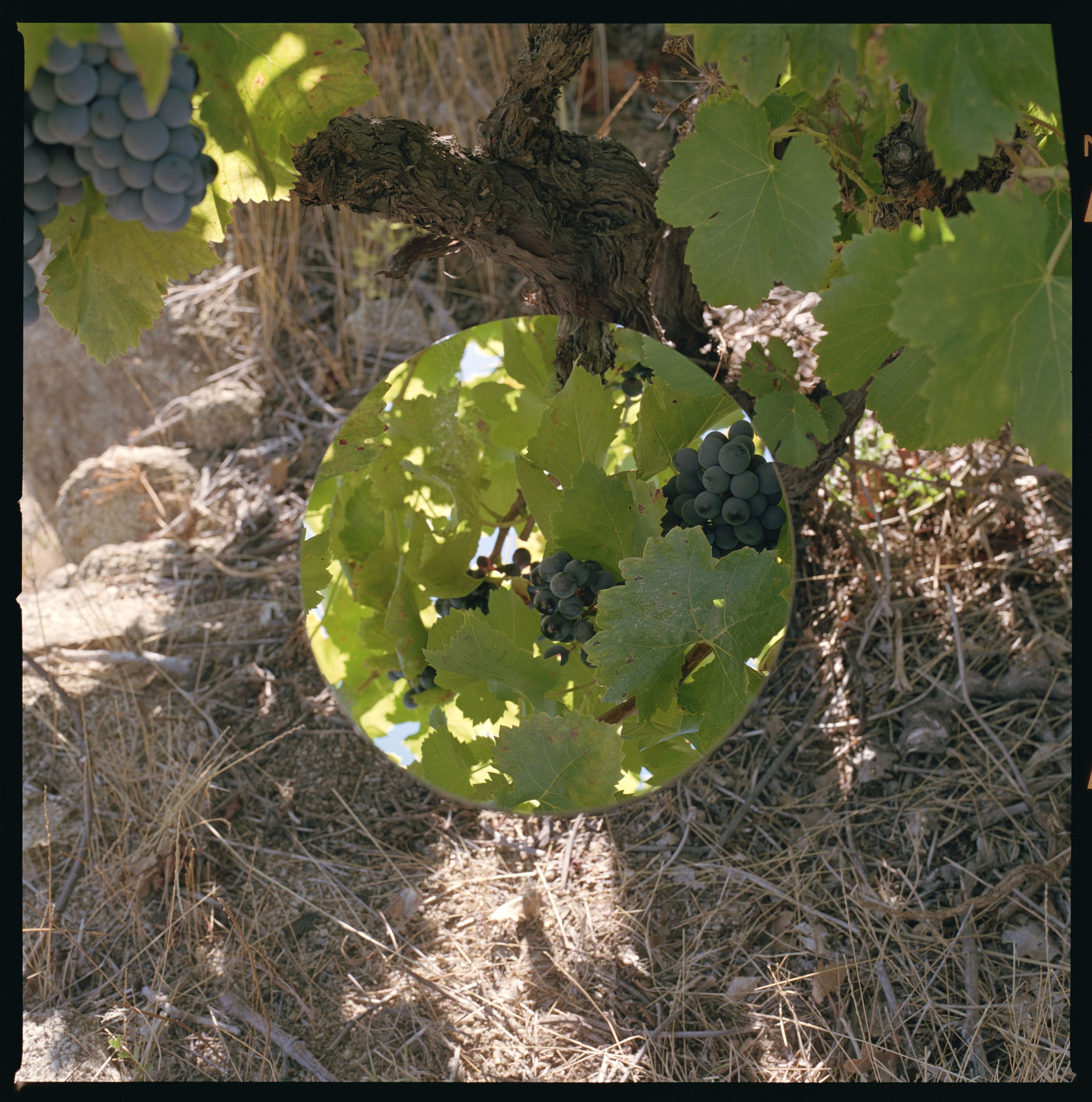
Varichon grows carignan at Rafalot, a tiny, remote vineyard tucked away in the Agly valley; The Grenache grape is grown at Inferno, the higher of Varichon’s two vineyards in the Agly valley
This isolation is also what protected the vines here from the phylloxera which virtually wiped out all European vineyards in the late 19th century. The vines here are around 120 years old, which makes them ancient in viticultural terms.
Varichon shows me where he plans to replace scrub with more vine; where he is thinking about installing some kind of eco-lodge or two for visitors; where he might plant more almond or olive trees; where he needs to fence; what trees he needs to cut back; where the tracks need repairing; all to be fitted in around pre-pruning and pruning the vines, and ploughing in the weeds and general tending and caring and eventually harvesting, all by hand.
Varichon is one of those people who likes to be busy, really busy, all the time. A while ago he started what is now a very successful fruit juice business just to give him something to do in the evenings. He gave that – and everything else – up though, to do something that would consume him totally; that was a match for his titanic appetite for gruelling hours, physical labour and stress and a proper test of his entrepreneurial nous and nerve. Thirteen years ago he moved here, to Roussillon, to make wine the hard way, the natural way in remote, unforgiving places.
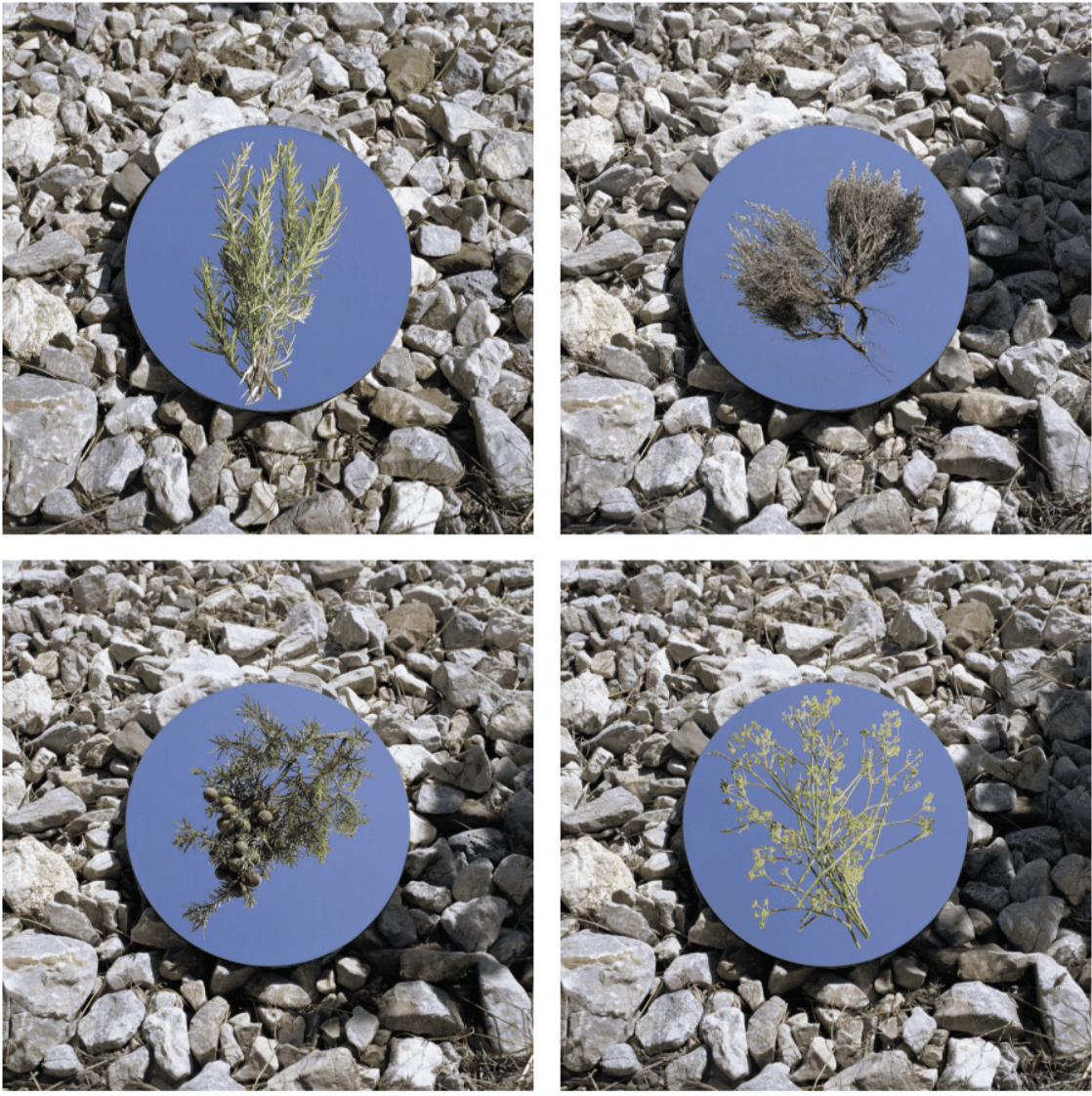
Plants such as rosemeary, thyme, juniper and fennel grow around the Rafalot vineyard, lending their flavours to the wines
Of course, this was not entirely on a whim. Varichon has wine in his blood. His grandfather owned a vineyard in Savoy and his bedroom in the family home was above the wine vats. He woke up to their smell and it made him want to grow wine (you suspect it might have gone the other way). His other love was cycling and he thought he might do that professionally. He trained hard up until his early 20s, pounding out 150km a day before realising cycling was a dirty game and that he wanted no part of it. He also studied oenology at Macon in Burgundy, sure that wine was a going to be a big part of what he did with his life, sooner or later.
After that he cycled across the States for eight months, working as he went; in a national park in Tennessee, in bars in New York. Then he did something similar in Scotland and England and liked it. He returned to England in 1995 and started to work for the Maida Vale branch of Nicolas, the wine merchants. It was, he says, the best place to learn how to sell wine. And Varichon was good at it. He is a great talker; passionate, engaging, modest, charming. And his enthusiasm for wine is generous and inclusive. He wears his learning lightly.
These skills were noticed by David Motion, a record producer, film music composer (he wrote the music for Sally Potter’s Orlando) and committed bon vivant, who had just bought The Winery, a rival wine seller in the area. The store wasn’t doing well and Motion needed help. Olivier told him to start dealing with wine makers direct and the pair travelled Europe searching out the best, doing deals and eating in every Michelin-starred restaurant they could find while they were about it. Olivier helped turn The Winery around but after five years he was ready for another challenge.
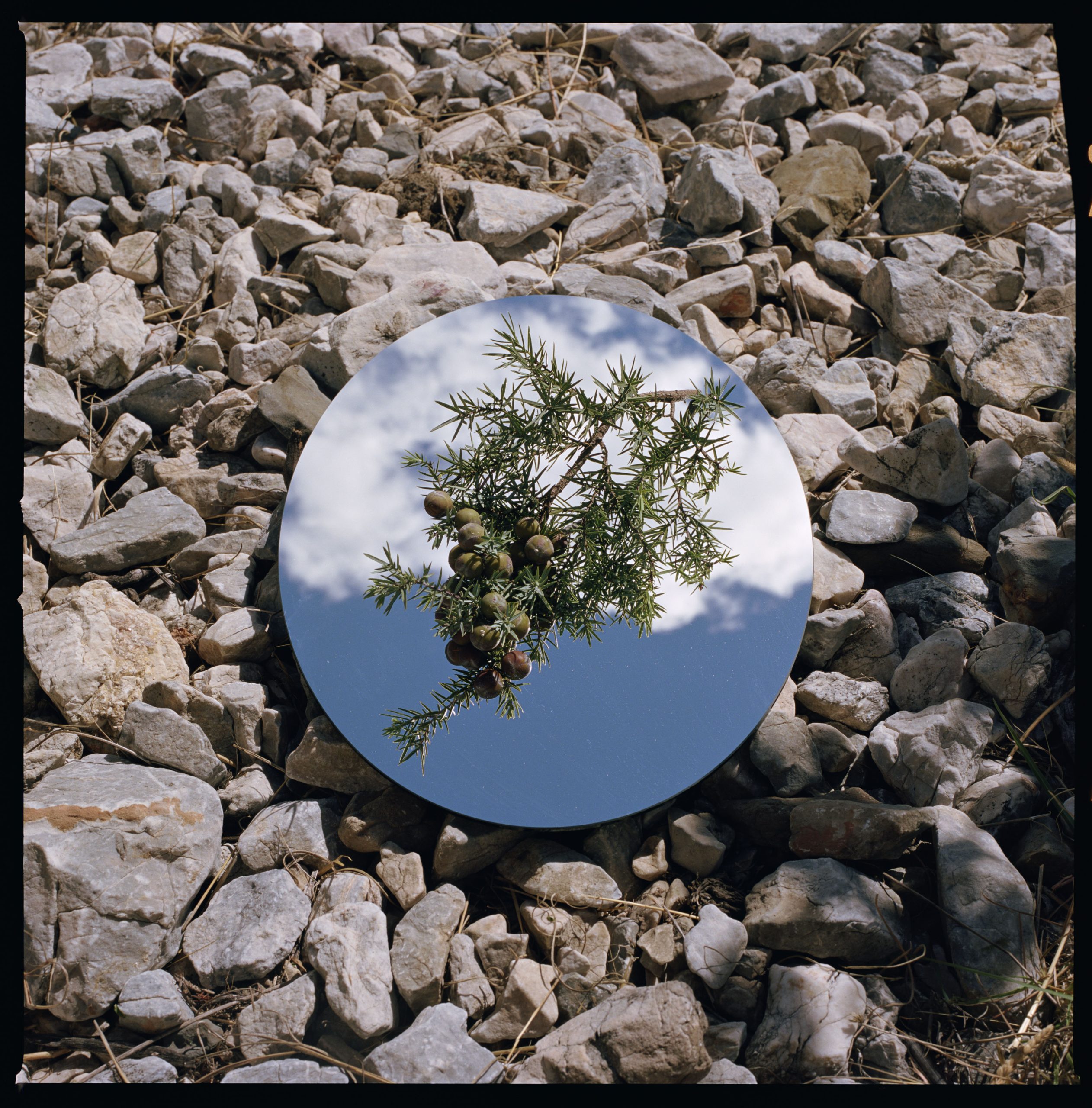
The remote location ensured the Carignan survived the phylloxera that wiped out all other European vines in the late 19th century
He sold a flat he had bought in Kensal Rise and his part of the fledgling juice business and started to look for land. He had met and married Emmanuelle Vinci, a French/Italian biologist who was now managing Nicolas. She had relatives near Perpignan in Roussillon. The pair decided to look for vineyards in the area.
It had one clear advantage. It was cheap – and they needed cheap. Roussilon, though its reputation is changing, was known for producing barely adequate table plonk rather than fine wine. But it meant you could get a hectare of vineyard for €5-6,000, whereas you might pay ten times that in Burgundy or Bordeaux.
They weren’t looking for any old vineyard though; they were looking for somewhere just right, somewhere that would be a special place to go to every day. They found an old wine-growing couple who were ready to sell up and went to look at their land. They drove there through hectares of flat, clinically tidy vineyards, up into the valley, Olivier hoping that the plot was further in, further up, on its own in a wilder place. It was. They had found Rafalot and Inferno, high up and hidden in a pine forest. It was exactly what they wanted.
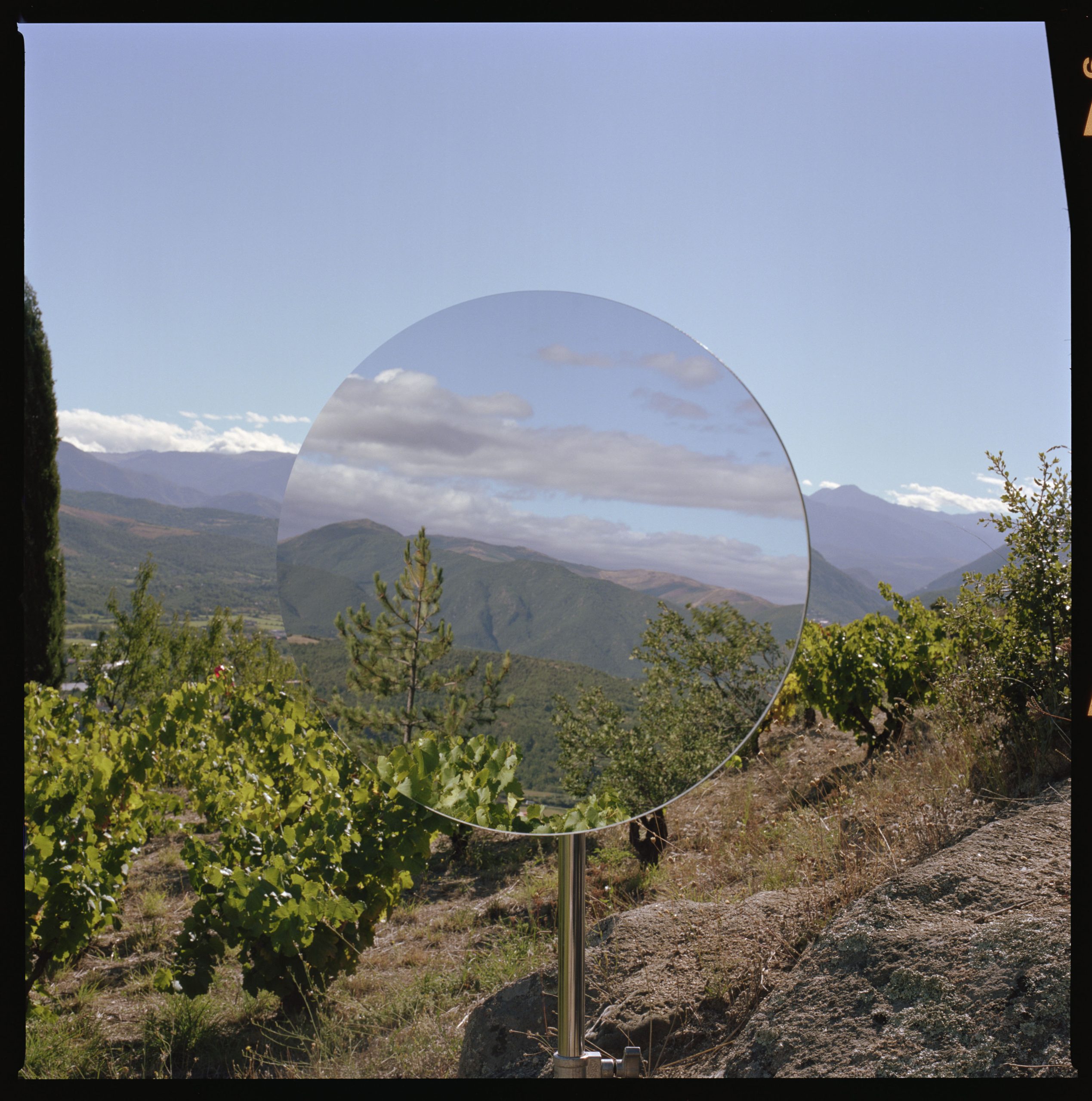
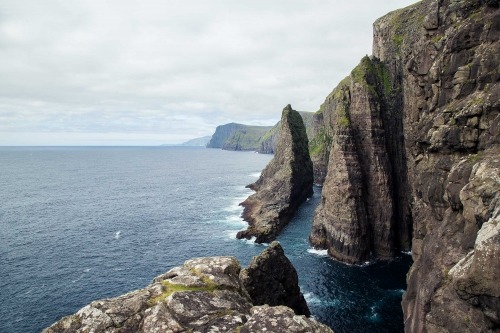
The harsh terrain means the vines have to force their roots as deep into the soil, picking up minerals from the rocks
Olivier was no organic evangelist and his first year he grew his grapes as everybody else did; using pesticides and chemicals. But he realised that his land was perfect for growing organic wine. Its seclusion meant that other growers wouldn’t complain about his weeds. It was hot but it was also windy, which meant that any rain would dry quickly, reducing the risk of mould and disease. The land was telling him to go natural and the more he thought about it, the more it made sense to him. It made sense to him that the roots of his vines would be forced to dig deep into the ground, six metres deep to get what they needed, rather than reach for the surface where the chemicals were. It made sense that they would pick up the minerals from the rock, but there would also be something of the almonds and figs and fennel and the other things that grew around his vineyards in there to. This was viticulture as part of, embedded in and feeding off a larger eco-system, including the bees he keeps on Rafalot.
Not that this new sense of mission won him many friends. Wine growing is a conservative business and this is a conservative part of France. Local growers, deeply tied to chemicals and all the other accepted assistance and fruit-bloating boosters of the trade – and proud of their neat and tidy rows of vines, viewed Olivier with suspicion. They regarded him as some kind of bush wild-man, a dangerous radical letting his weeds run free and nature, for better or worse, take its course; leaving himself naked and at the mercy of sun and moon, wind and rain and botanical pestilence.
Where was the logic in it? His yields would be much smaller growing organically or naturally (like many in the business, Olivier is suspicious of the semantics around organic growing and what passes itself off as organic. He prefers natural). But Olivier just bought (or took on) more plots, in equally rugged and unyielding spots – and did things naturally.
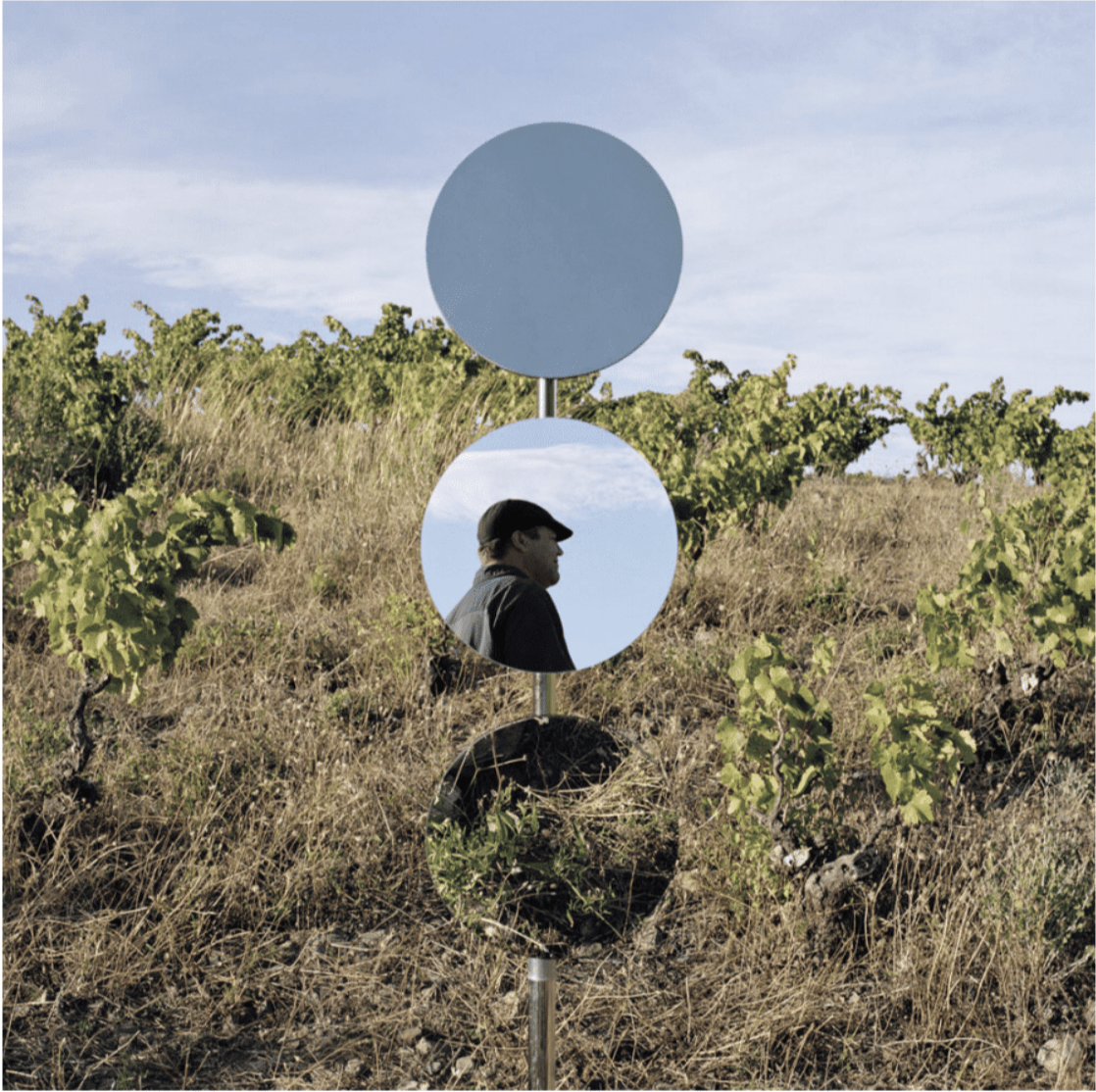
Varichon surveys his 50-year-old Grenache vines at Inferno Hil, the highest and most remote of his plots
One of these plots sits above the absurdly pretty hill village of Eus, a well-maintained, sun-drenched retreat for BoBos and French intellectuals. The tiny vineyard is owned by a Joelle, a local who has a small brick hideaway next to it and sits there and smokes, looking at the views of Mont Canigou and the Pyrenees beyond, while Varichon looks after her vines. Varichon takes the crop and Joelle gets enough good wine to make her very popular in the village. It’s an arrangement that works. We have lunch there one day and a Danish couple join us. They have a vineyard nearby and Varichon looks after that, too.
Varichon has collected friends like this along the way. There is a new generation of young wine producers in the area who have started to grow their grapes naturally. Olivier offers advice. And when it comes to harvest he has more volunteers than he can handle. Some locals, others visiting wine-freaks, old and young. They start at six in the morning and work til noon, filling small crates by hand. Then they sit and have lunch under a large old oak and drink Olivier’s wine into the afternoon. You can see the appeal.
Though he would never accept the tag – and insists that the natural way of doing things is just one way, and that there others – there are those who think what Olivier is doing here is outright heroic. He will accept though that you need passion. To take on the boars, the hail storms, the back-breaking hours in the fields, the constant threat of crop failure, the heat, and the hunters who litter your land with enormous boar-dropping bullets, you need passion by the bucketload.
Domaine Vinci, as Olivier and Emmanuelle have called their operation, is headquartered in the garage of the couple’s home in the village of Estagel. From here he distributes his five wines: A white, Coyade, produced with Maccabeu; Carignan Blanc and Grenach Blanc, grown on another of his small plots; Roc, a rosé produced using Joelle’s Carignan and Mourvèdre grapes; and three reds, Rafalot, which uses their ancient Carignan; Coste, which uses Mourvèdre; and Inferno, which is a 100% Grenach Noir. They are all very, very good. I know: I tried them. They have a distributor in the UK and the US and his wines are a favourite with a new wave of organic wine bars opening up in Paris and around France. Olivier can’t hope to supply all that demand. To work the way he does limits the potential scale of the operation. This way keeps him busy; which is just the way he likes it.
Aubert & Mascoli imports minimum intervention winesfrom France and Italy to the UK, aubertandmascoli.com