Sewing the seeds...
Words Tamsin Blanchard
Photographs Ashish Chandra
How a young fashion and textiles entrepreneur in south India has set up his own supply chain that starts from the soil – and is leading the way for a new method of making clothes that gives back more than it takes…
We started our long-distance conversations in around 2016. Nishanth Chopra had returned to his home in Erode, in South India, after completing a degree in Business Studies at Lancaster University in 2014. He messaged a friend via LinkedIn to ask if she would help with some advice on a fashion label he was setting up. She passed him on to me. I wasn’t sure how I could help, but we agreed to set up a call on Skype to have a chat. We talked and talked, sometimes every few weeks, often for hours at a time. It very quickly became clear to me that my new friend had far more to teach me than I had to offer him. He wanted help finding press and sales agencies to get his new brand, Oshadi, out onto the shop floors, so he could grow his business. But in turn, he was giving me a crash course on traditional Indian textiles and fashion manufacturing.


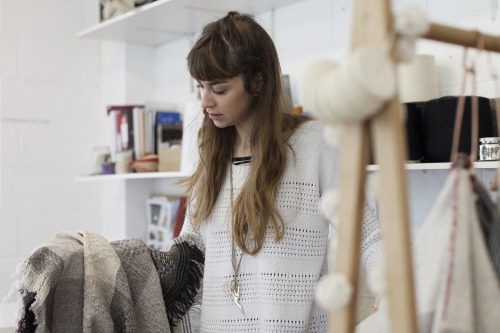
As part of Oshadi Collective, Nishanth Chopra grows his own organic cotton, which is hand spun and hand woven, before being sewn into beautiful pieces such as these shirt dresses, and the ruche sleeve dress, which are naturally dyed with blue clitoria and yellow tacoma flowers.
I’d read about illegal waste water dumping, but it wasn’t until Chopra described seeing polluted dye water from the local textile factories being churned out into the river – only at night when nobody could see – that I really understood. He had seen dead fish floating in the river. He described mountains of rubbish that people lived on, picking out scraps and bits of electrical waste to sell. He told me his father owned a garment factory and he was expected to go into the family business. But Chopra had seen enough of the impact of the fashion industry on the environment and on people’s health. It was no coincidence that Erode, in the Tamil Nadu region, where the tanneries and fashion and textiles industry contribute to its polluted waterways, has some of the highest rates of cancer in the country. He was on a mission – to show his father there was another way.
Chopra was impatient. He was spending hours trawling the internet researching the world of sustainable fashion, contacting people he read about in news stories, anyone and everyone, from high flying buyers in New York, to showrooms in Paris. He would just email them, or find them on LinkedIn. He had managed to strike up a working relationship with Richard Malone, a talented young British designer who had recently graduated, by contacting Central Saint Martins and asking if they might recommend a designer to work on his first collection. There was a restless naivety in Chopra, and a healthy disregard for the hierarchies that hold so many people back, that made him unstoppable.
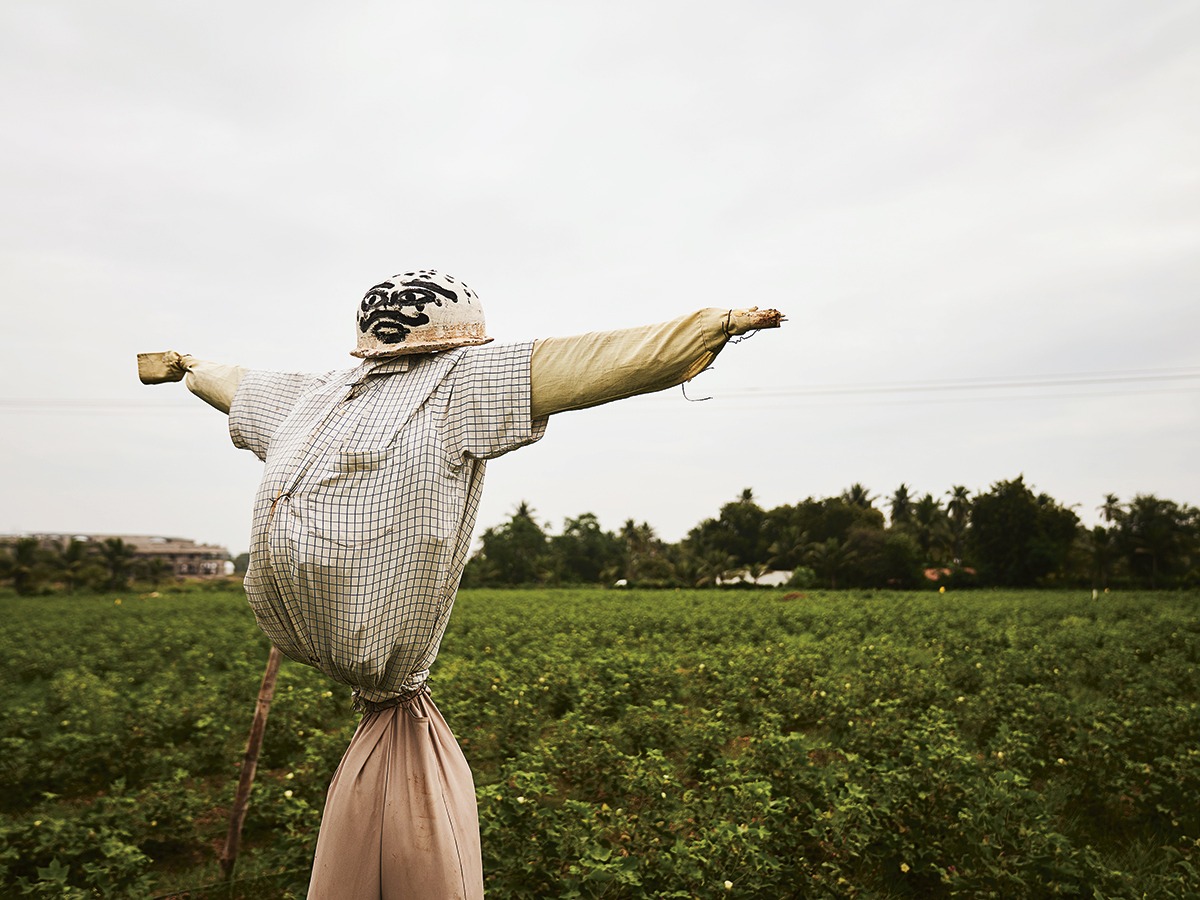
An old-fashioned scarecrow is used to keep pests off the crop
In the summer of 2019, Chopra decided to plant his own organic cotton to create a fully sustainable seed-to-stitch supply chain where everything, including the spinning, dyeing, weaving and garment production, is done within a 10km radius. His family had five hectares of land that wasn’t being used. It was more hard rock than earth. He hadn’t grown anything in his life so he asked for advice and financial support from Rebecca Burgess’s Fibershed project. This is a non-profit organisation based in America, but with outposts around the world, dedicated to creating a global network of local textile communities where the fibre is grown, spun, woven and sewn with as little impact on the environment as possible.
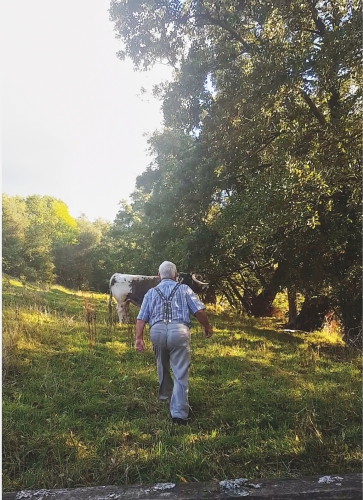
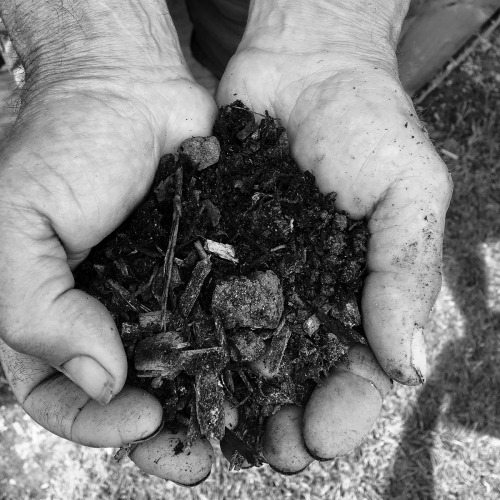
The pilot project became Chopra’s new obsession. From a local farming couple, Eswari and Kuppusamy, he learnt the ancient Indian techniques – how to create an ecosystem that brings unwanted carbon back into the earth; how to use cow manure and compost from food waste to enrich the soil; the importance of cover crops to keep in moisture, suppress unwanted weeds and prevent soil erosion, and then to be ploughed back into the land as fertiliser. He collected rainwater. He made compost. He delighted in the worms that now squirmed around in the soil pulling nutrients from the compost into the earth. Three years on, Oshadi Collective is leading the way for a new generation of regenerative cotton projects set to transform the industry. The French luxury goods group Kering, which includes Gucci and Alexander McQueen, recently announced its Regenerative Fund for Nature, to support projects just like this one in an urgent move away from the conventional ways of growing cotton and other fibres that have resulted in destroying whole swathes of the planet’s biodiversity. Chopra’s initial five hectares of land has grown to 100, with half being cultivated in collaboration with a Californian fashion brand, Christy Dawn, whose first collection of ‘Farm to Closet’ dresses has just gone on sale in the US and online.
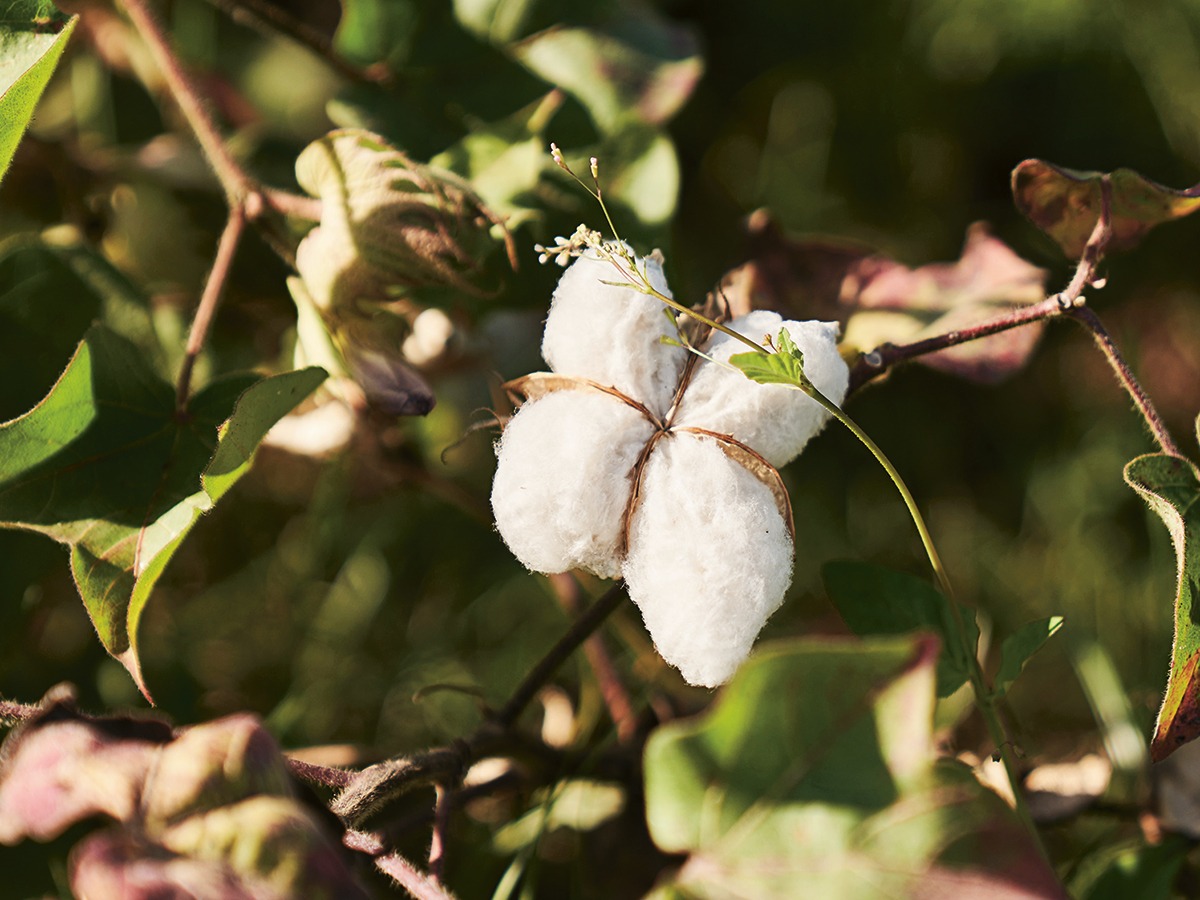
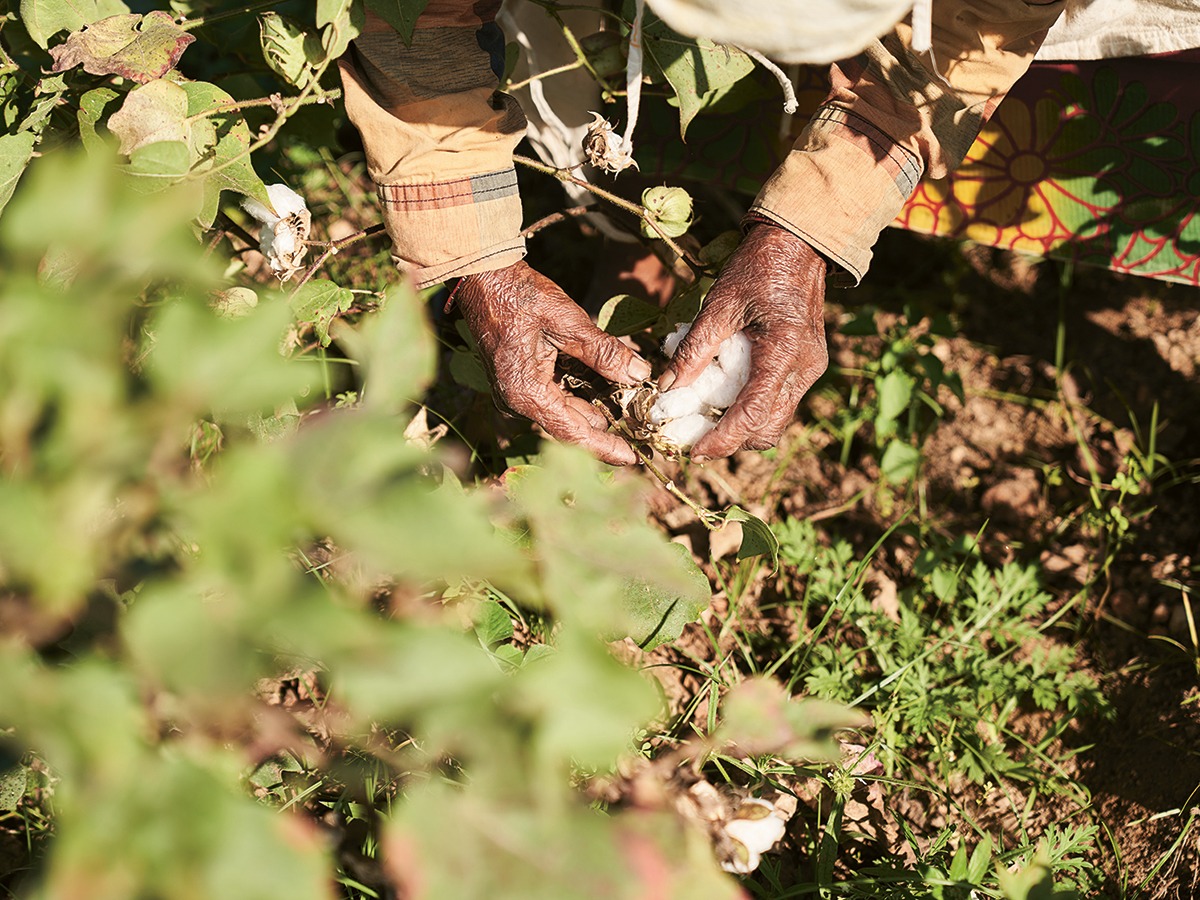
Chopra sourced the finest organic surabhi seeds to grow cotton that gives the best quality fabric, discovering that the seeds must be treated with a special, ancient soil fertility recipe before planting, to ensure germination: ‘It’s just like a baby,’ he says, ‘you need to take care of that sapling’
My most recent conversation with Chopra was at the end of April. He had just spent two days applying for the Kering Fund, as well as another set up by Leonardo DiCaprio’s One Earth Foundation. Over the past year, while we have moved from Skype to Zoom, Chopra’s business has grown from working from a room at his parents’ home, to a small cut-and-sew studio where he started to make his own samples, to a full-scale office space. He is now employing 30 people, paying well above the local rates of pay and step by step, reducing the gender pay gap. He pays his male employees 500 Rupees a day and his female employees 350 Rupees (locally, women are paid around 130 Rupees). This has caused some issues locally. ‘All of the farmers will come work with us, they’re having a great time. Everyone wants to work with us.’ The son of the farming couple he worked with originally returned from his factory job in the city to work on the land because he could make a better living and have a better quality of life. Chopra’s project is reversing the trend, making it possible to find work in rural communities. But other farmers and business owners don’t like the fact that Chopra is paying his workers more. They don’t like the fact that he’s still in his twenties and making a success of his new organic and equitable business, something they were convinced would fail.
There have been attempts to intimidate him. Recently, he was locked out of his premises. ‘They just came in and locked the door from outside. They had a big log and there were five of them, just standing there, like, you can’t get in.’ He knew that this wasn’t going to be easy. But he is certain that, as the farm and the collective grows, his community of farmers and workers with a vested interest in Oshadi Collective’s success will strengthen his ability to stand up to local opposition. ‘I don’t think I’m ever going to walk away. That was not my goal, when I started this, to walk away from difficulties.’
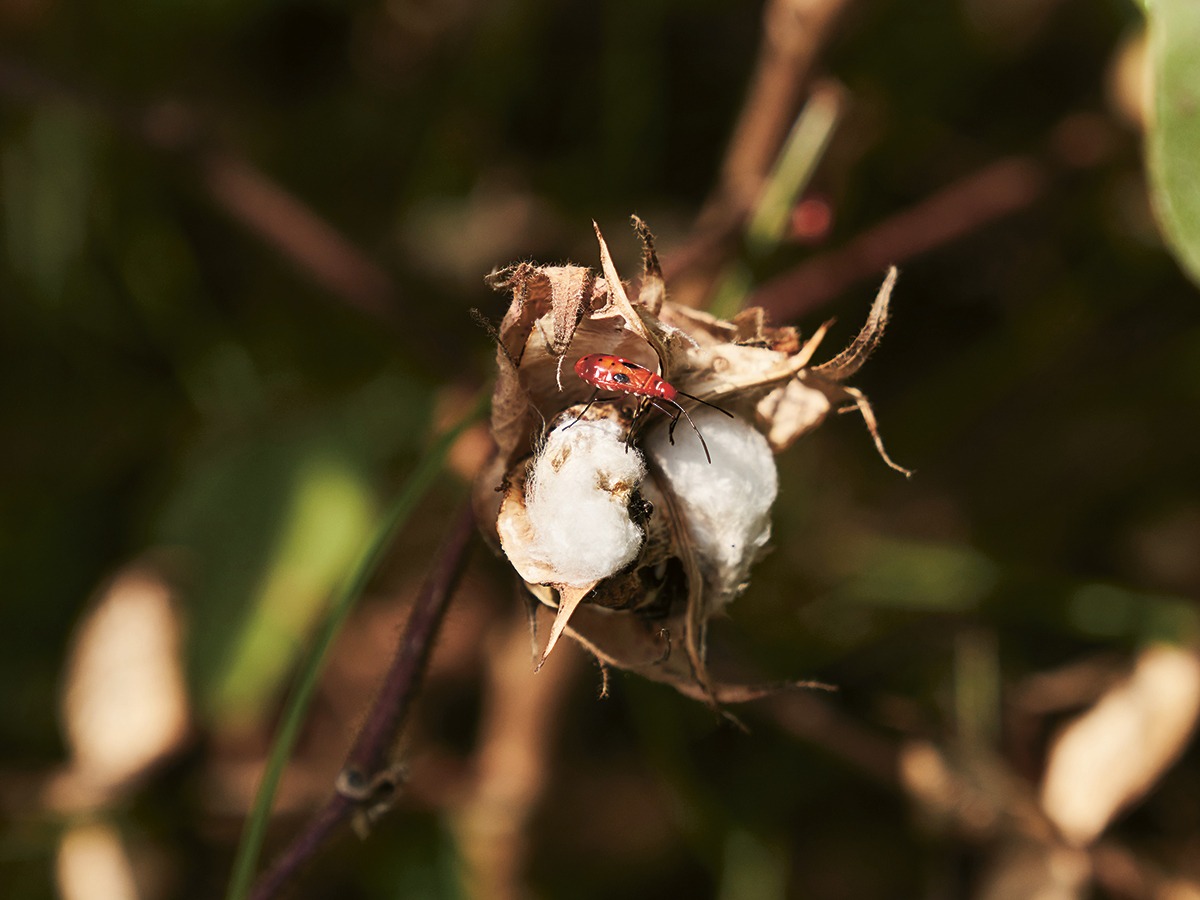
Even the bugs on Chopra’s farm are beautiful; they are controlled by sprays made using plants and herbs rather than harmful pesticides. Likewise the fields are surrounded and protected by natural ‘fences’ made from a specially selected mix of trees, which provide would-be pests with plenty of alternatives to eat rather than the precious cotton crops
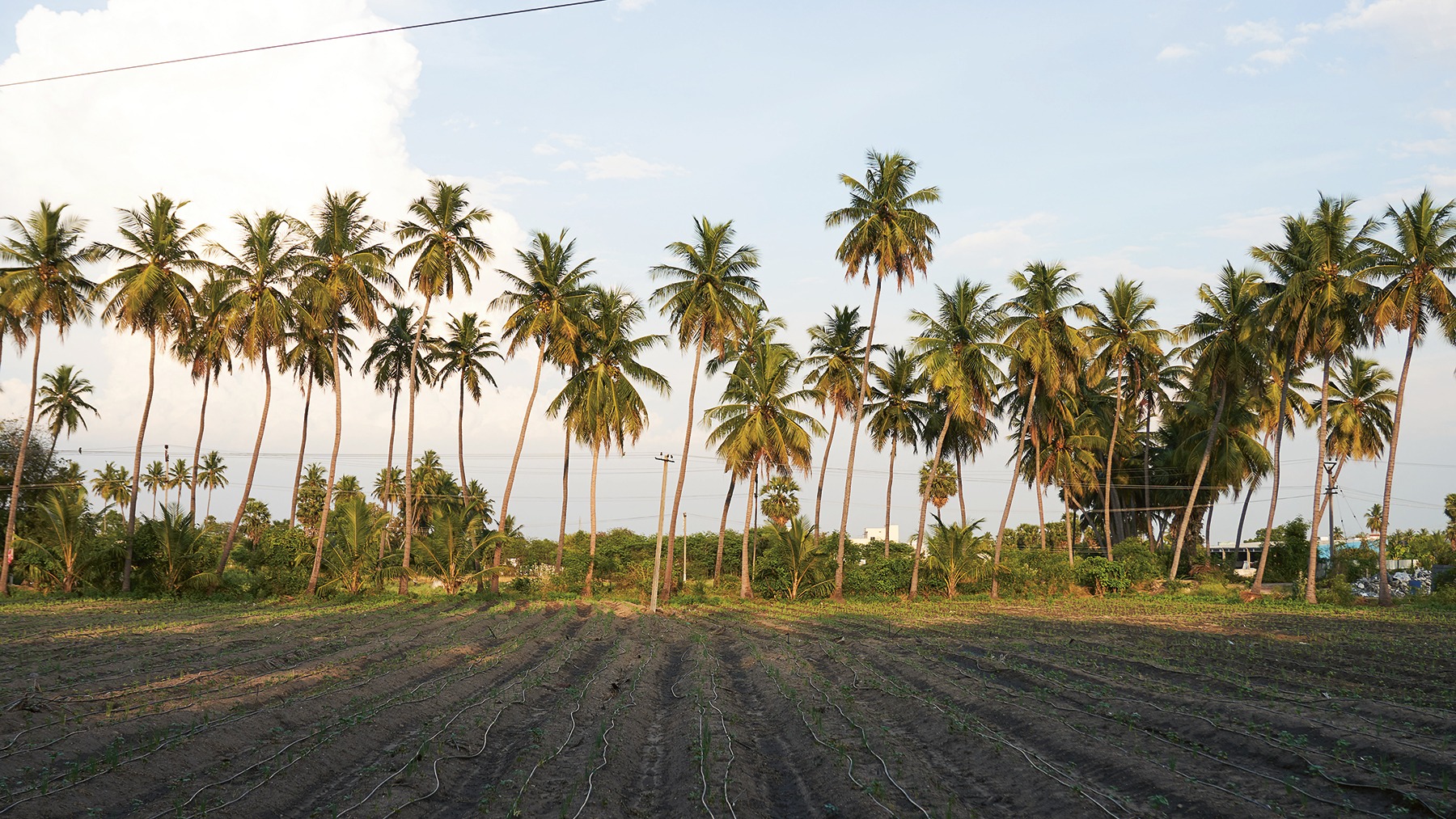
As well as cotton, Chopra grows organic fruit and vegetables, including mangoes and coconuts which he sells locally and gives to employees. At the time we spoke, India was in the depths of a Covid-19 disaster, but Chopra seemed unperturbed as his village was so far unaffected. ‘There is a lack of oxygen in certain hospitals, but I wouldn’t say it is all over India like the way the news is showing it.’
Chopra’s cotton fields are enclosed by hedgerows, in place of barbed wire, and wild native dogs have been introduced to manage the nuisance peacocks that cause untold damage to cotton crops, by pecking at them but not even eating them, as well as scarecrows stuffed with leftovers from the cotton fields. The live ‘fences’, he tells me, planted from a carefully selected mix of trees, could change the climate of an entire village. ‘People don’t realise they would have less pest attacks, because the pests would have things to eat in the fence, so they wouldn’t come into the farm.’ The previous week he had spotted his first beehive in a tree. The bugs and wildlife living on the farm are the surest sign that this agriculture project is working.
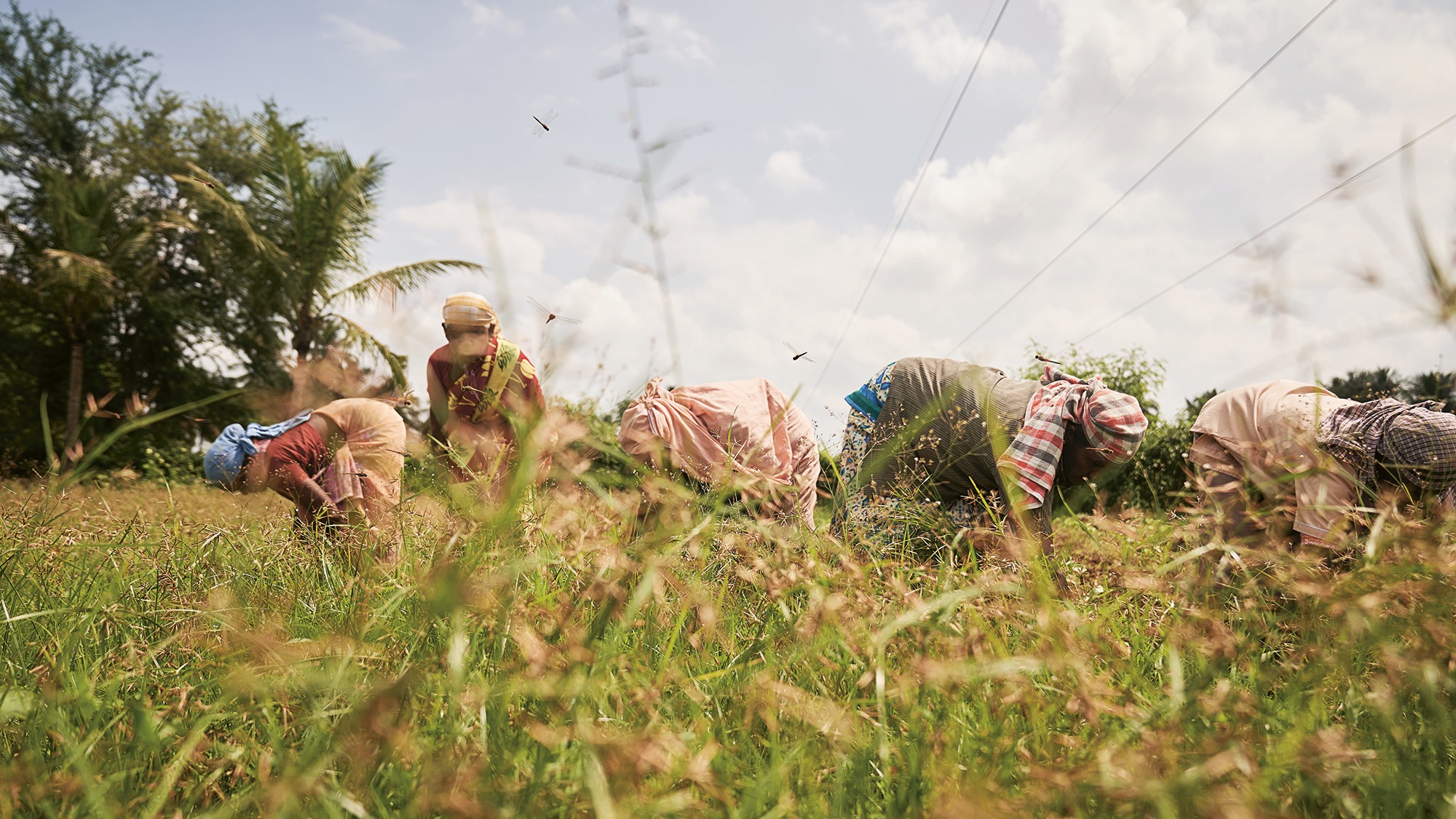 Growing up in a region with so much pollution from the fashion and textiles industry, Chopra had seen enough of the impact of this on the environment and workers’ health, so he learnt ancient Indian farming techniques, from how to use cow manure and prevent soil erosion to suppressing unwanted weeds
‘There are a lot of dragonflies, a lot of bees,’ he says. ‘We have pollination strips.’ These are rows of flowers, planted to attract bees so that the cotton is pollinated naturally. The surrounding agricultural land is mostly paddy fields planted as a mono crop with very little biodiversity. ‘We have crops with a lot of flowers, and that means we have a lot of pollination,’ he says. He has also brought in some native cows that don’t give as high a yield but produce milk that, when Chopra describes it, sounds like the font of all life, and contribute to a compost called panchakavya. Regeneratively farmed cotton needs a lot of attention in the early stages. Weeding is done by hand, and sprays to repel the bugs are made from plants and herbs. The seeds are treated with a special, ancient soil fertility recipe before they are planted. ‘If you don’t seed treat it, there’s a high chance of it not germinating and even if it germinates, there’s a high chance that the roots might get infected. It’s just like a baby, and you need to take care of that sapling, until it grows to around 20 days.’
Traditional farming techniques, like those practised in the Indus Valley for centuries, were lost during the Green Revolution, introduced most effectively to Punjab in the north, and less rigorously in south India, in the 1960s, bringing with it industrialisation and chemicals. ‘The entire Green Revolution was based on two things,’ says Chopra. ‘One was getting more yield per acre. And the second was making farmers lazy as hell, because they would say you only have to go into the fields maybe once in 10 days, just use these chemicals and you’re sorted. But with organic farming, you have to be very intimate with what’s going on every day.’ That intensive model of farming has left the soil depleted and destroyed biodiversity. ‘When they are done extracting things, they just burn the fields, and then another round of chemicals and then burn that. It’s an evil way of looking at something that is giving you food.’
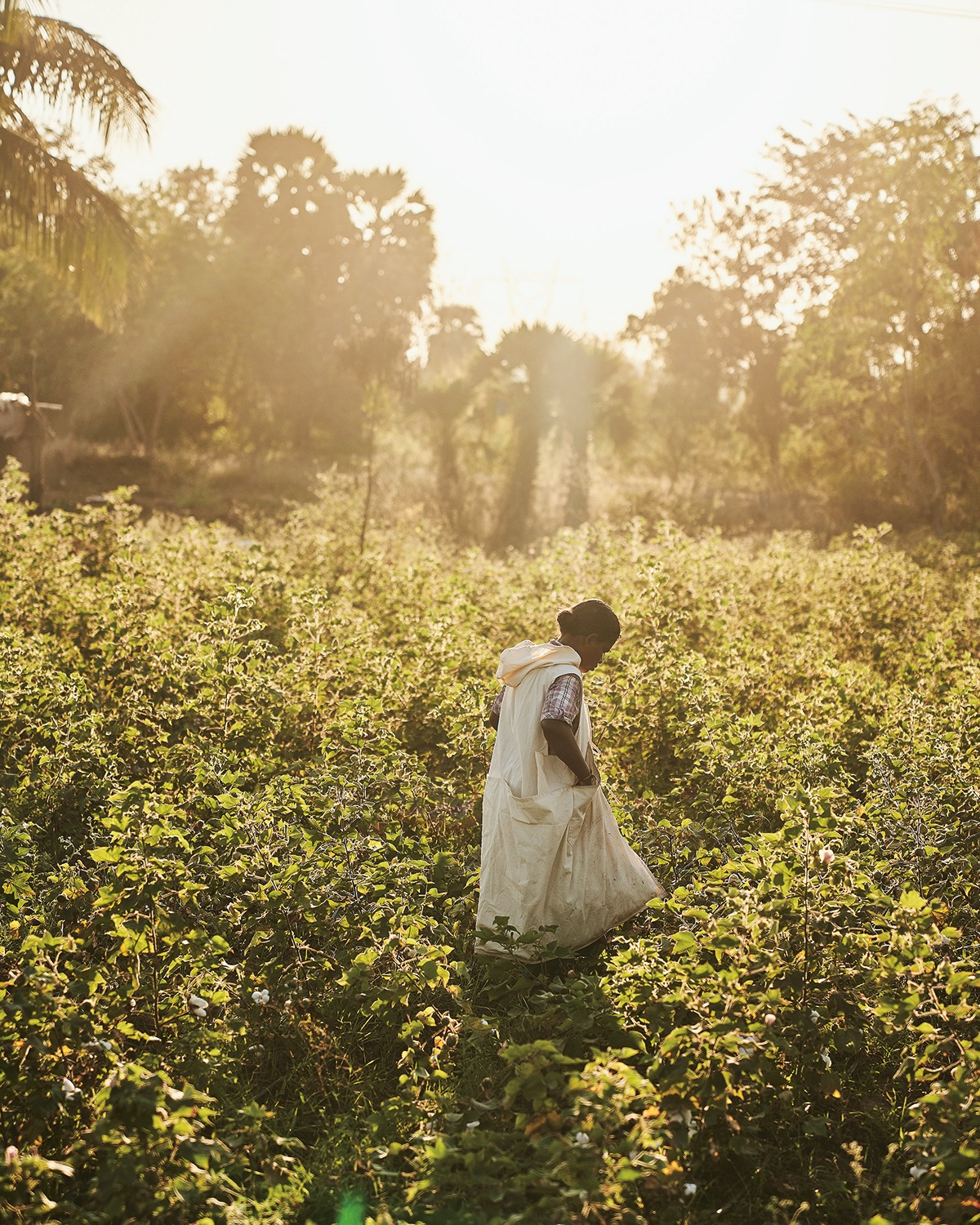
Non-invasive farming methods mean that picking is done by hand
One of the reasons he is hoping to get funding is so that he can set up a soil test laboratory to find a way to validate the traditional methods with science. ‘A lot of it is trial and error. You learn from many different people who’ve been practising but a lot of the information is lost. There’s no definitive book of organic farming. And also you learn from the ecosystem like, hey, why is this growing here? Or, there’s a lot of bees on this flower, maybe we don’t need a pollination strip.’ In other words, there is a logic to these ancient farming techniques, but fundamentally, it is about following nature’s lead.
As always, this conversation with Chopra has taught me something. Before I go, he wants to tell me why all these traditional ways of doing things have been lost in India, let alone the rest of the world. People have lost connection with their own culture and traditions, and particularly the role nature has to play. ‘All the gods in India are animals. A snake is a lord because it has been beneficial to that community. The snake has probably protected that community from rats. You see what I mean? There’s always a reason.’