Artek 2nd Cycle
Interview Verity Elliott
Photographs courtesy of Artek
Reuse, recycle and repair looks set to be the mantra of 2021. As we become increasingly mindful of reducing waste and limiting our impact on the earth’s resources, making new stuff just for the sake of it just doesn’t make sense any more. Secondhand market places are becoming increasingly popular, not just for clothes and accessories but for furniture and luxury items too. So, it makes sense that just as say, Levi’s are buying back their old jeans to resell, furniture and homeware brands are too. The Finnish furniture company Artek is known for its timeless, classic design aesthetic. Founded in 1935 in Helsinki, Artek (which is short for art and technology) has always been the standard bearer for simplicity, modernity and longevity. Its new Artek 2nd Cycle initiative, which reconditions and resells pre-used pieces, makes perfect sense. Managing director Marianne Goebl told us, ‘Artek 2nd Cycle has shaped our expectations in terms of physical and aesthetic longevity of Artek’s contemporary products. Our ambition is that, several decades from now, our new products of today will have aged as gracefully as the Artek products first put in circulation many decades ago, which are now entering their second life cycle.’
Hole & Corner caught up with Artek’s Antti Tevajärvi and Timo Penttilä, to see how Artek’s vintage pieces have taken on a life of their own.
We’re interested in how you have found old pieces – you mention you are searching them out at flea markets and old factories, schools and shipyards.
We started scouting for very patinated, re-painted and scruffy-looking Aalto stools and chairs in 2006 with only a fairly faint idea what was to come of it all. At that point there was not yet a strong interest in vintage Artek furniture designs in Finland, so finding the furniture proved quite easy. People were happy to offer their old editions of Artek furniture to us, quite often also sharing the story of when the particular chair had been re-painted or for which purpose the stool was initially purchased, or for how many generations a particular Aalto chair had remained in the family. At times we were also able to purchase larger quantities from public institutions such as schools or libraries. Sometimes we would offer brand-new Artek furniture and at the same time make an offer to purchase their old Aalto pieces.
As we had grown a considerable collection of used Artek chairs, we brought a curated selection of them to fairs and exhibitions, to showcase the longevity of Aalto’s timeless designs. Naturally we were not sure what the reaction would be – but it was very positive. Quite quickly something that we initially considered a conversation starter for brand-new Artek also became a very sought-after product in itself. We took our time building the stock for a couple of years and only in 2011 opened a concept store in Helsinki. Now the store has evolved into a meeting point connecting collectors, design lovers and designers with a small exhibition programme. Visitors are invited to browse beautifully aged pieces, purchase a rarity, or simply learn more about the heritage of Artek and Finnish design at large.
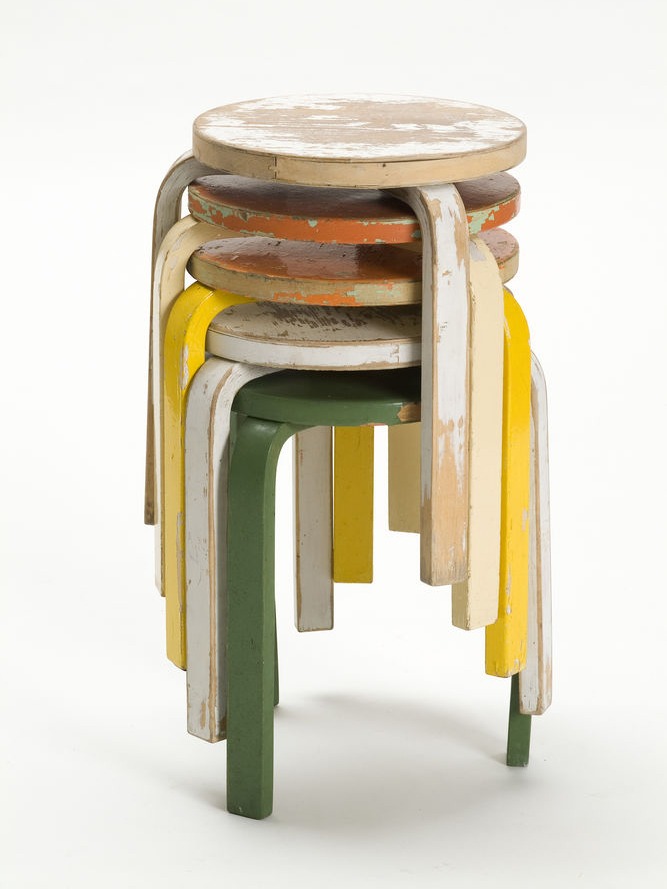 Stool 60
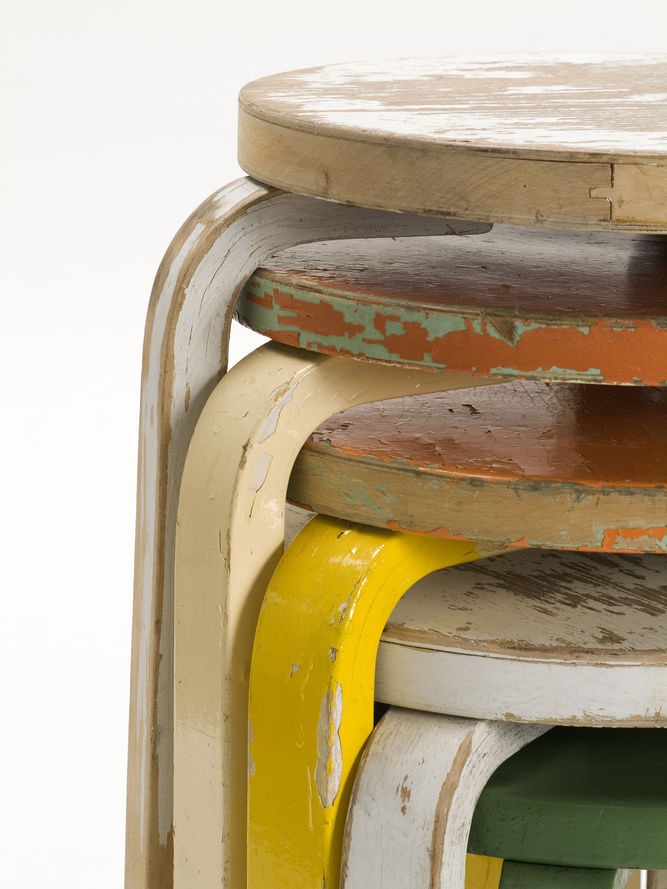
Since the beginning of the project, the Artek 2nd Cycle initiative has grown alongside the appreciation of old Artek designs. Locally the prices of vintage Aalto have gone up very quickly and this has also had an effect on our business. It has become much harder to find interesting items, not because there are not any left, but more because people are no longer willing to part with their beloved design heirlooms. We consider this to be a good sign. To inspire our followers to appreciate the heritage of Finnish design was one strong aspect of our initial mission.
Our stock comprises vintage and used Artek designs, but also a variety of other Finnish designs, dating from folky furniture to more recent pieces. The main focus still remains in the heritage of Artek. As for now we mainly source items from Finland but occasionally we purchase some collectable Aalto pieces from abroad, for example, from the US, Sweden, the UK and Switzerland, which have been important markets for Aalto furniture since the 1930s. In the early stage of Artek 2nd Cycle we bought bigger quantities from public institutions, but nowadays the focus is more on selected vintage items coming directly from private homes. This source has remained the most fruitful in terms of the stories shared regarding the furniture. We also have a wide network of design enthusiasts who buy and sell these items, and they often offer us some of their treasures. Local dealers also know our taste and offer Artek and Finnish design related items to us on a regular basis.
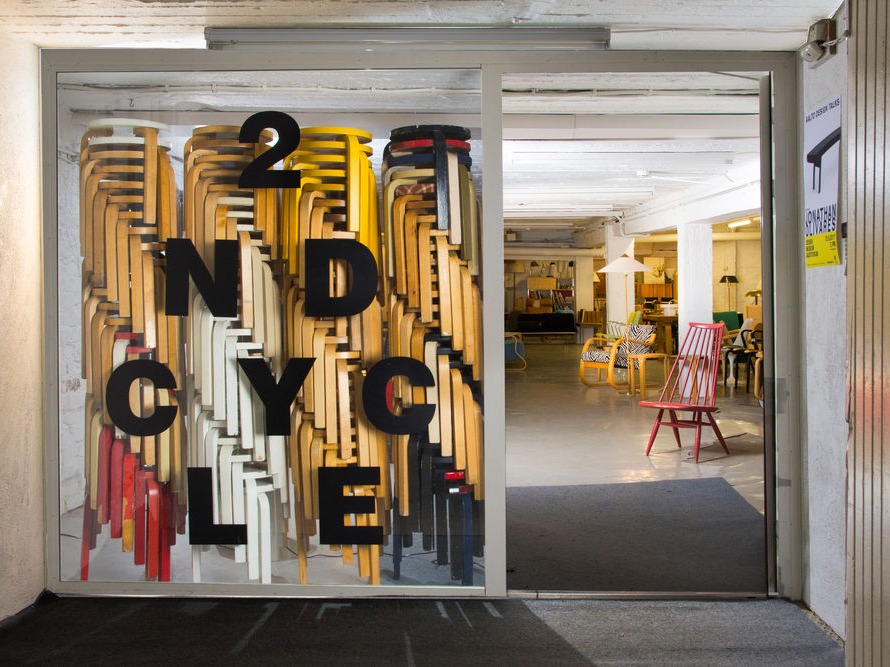 Store front
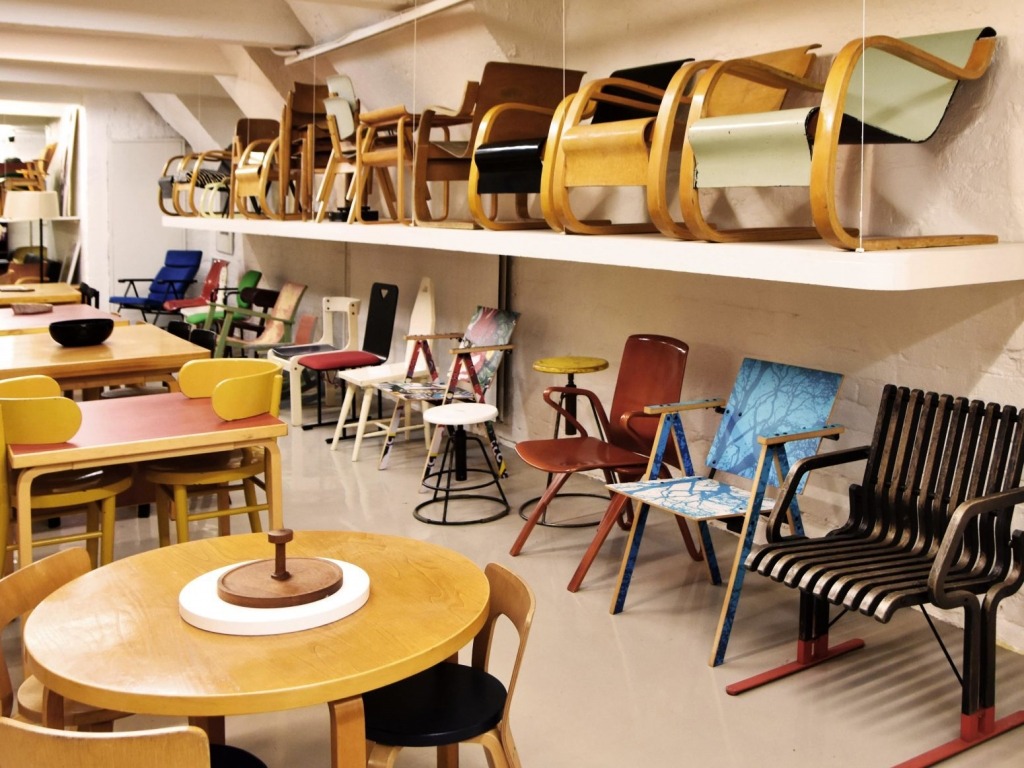 Store interior
It would be great to get more detail on where exactly the pieces were found and some of the history of the way in which Artek pieces like these were used – ie not as ‘design classics’ but as functional pieces of everyday furniture.
As Finns we are quite accustomed to using Aalto furniture in kindergartens, schools, hospitals and other public institutions. Alvar Aalto is considered a genius as an architect by many, but his furniture has not been put on pedestals by the Finns. Most of the Aalto furniture was designed for everyday use with strong emphasis on craftsmanship and quality. Also, one very important aspect is the serial production and use of the same components (the L-shaped bentwood leg perhaps is the strongest example) for chairs, stools and tables. The appreciation of the so-called ‘design classics’ has not always been very high and some of our clients who have sold some internationally sought-after items to us have been surprised by the value of their inherited goods. One of our missions with Artek 2nd Cycle has been to raise the awareness of the appreciation of Artek’s designs. We consider that we have successfully played our part in establishing new and re-establishing old relationships to the Artek brand.

Stool 60
We’d love to know more about how you repair/conserve the furniture. Any tips for people who want to spruce up their own old Artek pieces?
As we stumble upon the most well-kept and the most ill-used Artek furniture on a weekly basis we have accumulated quite a lot of information on restoring the furniture. We have a skilled network of restorers and upholsterers that we use. Even though we appreciate the patina and original condition of the items, it is sometimes a necessity to reupholster or conduct some conservation on the wooden surfaces. Fortunately, wooden furniture is relatively easy to maintain.
Tips
- Screws need to be checked every now and then, and tightened if needed
- Don’t use any detergent which might damage the lacquer or varnish. In general, avoid liquids on surfaces. It is a good idea to dry all veneered surfaces if something spills on top of them
- If wooden surfaces are damaged (dents or cracks in lacquer), we recommend consulting a restorer or carpenter
- ‘Don’t fix if it’s not broken’. We always highlight to our clients that it is better to live with the small scratches or marks. Once the wooden parts get treated and re-lacquered they will lose their original patina and part of their charm. For example, linoleum surfaces tend to be quite fragile, but small discolorations and stains are something we believe gives character and makes a pre-loved piece unique
Have you found any rare items?
Every now and then we get lucky and find some early or rare pieces to include in our permanent collections. These items are not always so commercial but as we research the company history it is highly valuable for us to make these discoveries. We’re sometimes quite astonished by the sheer amount of designs and designers which have in some way or another been related to Artek. There have been many modern design furniture companies in Finland, but Artek is one of the only ones which has remained faithful to its modern principles. In this sense Artek is and has been a true powerhouse of Finnish design, promoting and establishing local and international connections right from the beginning. On that note it’s rewarding to notice how we’re approached from many parts of the world and often with strong and enlightened understanding of Artek’s core values. There are so many items we could include in the rare treasure list: Early plywood furniture from the 1930s, rare Aalto light fittings, bronze handles, early versions of Aalto stools, strange and early modifications of well-known Aalto models, early components with differing design details, unusual colour combinations in furniture or lamps, special orders of benches and other furniture pieces that were solely designed for a particular space, and so on.
It is always super rewarding to discover something from Aalto’s architectural projects, for example we have found some original items from Paimio Sanatorium, which was a landmark project for Aalto. The Sanatorium was built between 1929 and 1932 and is considered to be one of the most important works by Alvar Aalto. At the same time the items themselves teach us a lot about Artek; sometimes we purchase something anonymous, but after thorough research discover they are original Artek designs.
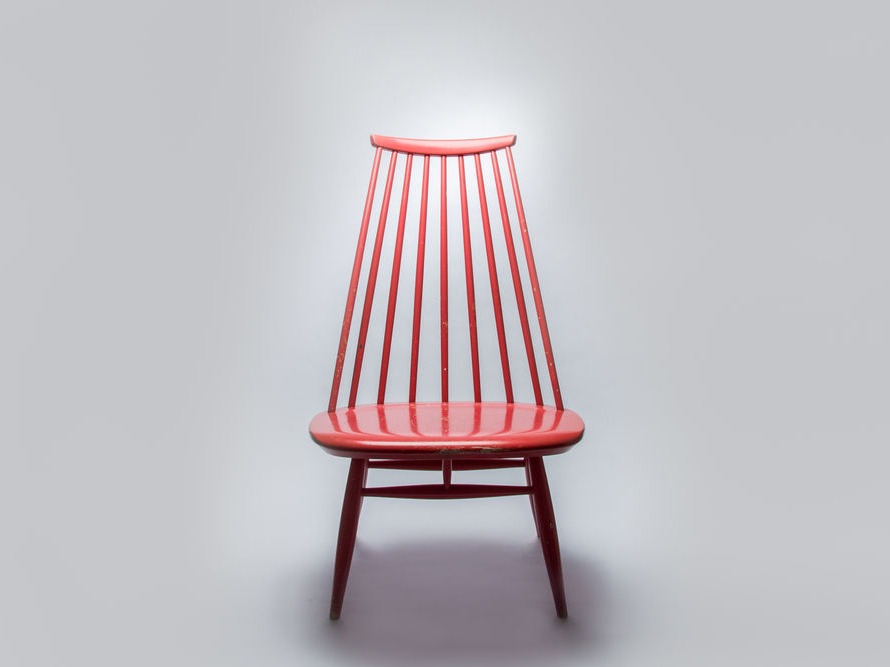 Mademoiselle lounge chair
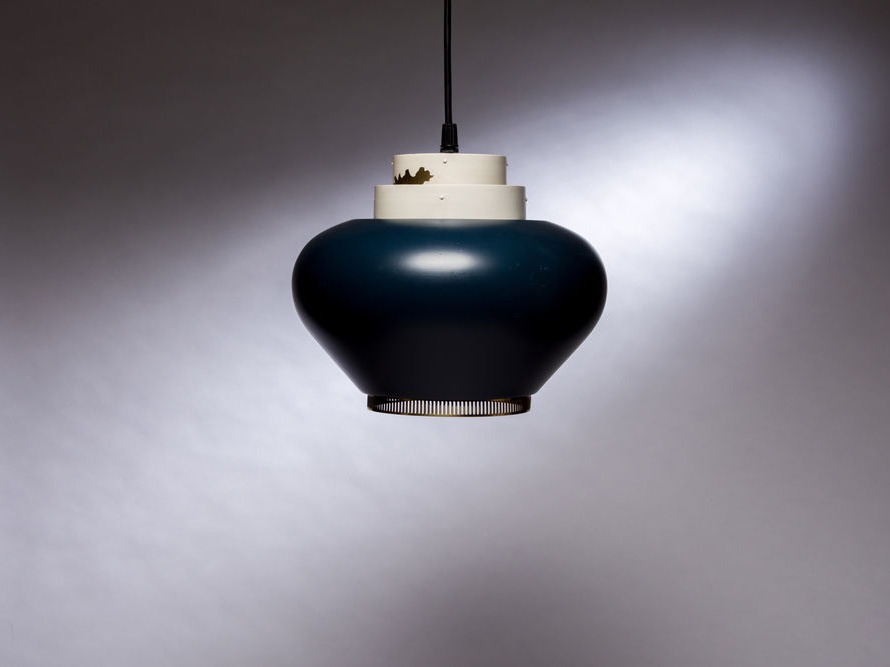 Pendant light A333
How do the pieces keep their value? Are the old pieces worth more than the new ones? Is there more value in a chair that has had a former life or two?
From a commercial perspective, Aalto and Artek designs hold good value. Perhaps the more important question now centres on the environmental value of the investment. In this sense Artek furniture is very valuable. Our core mission is to avoid fading trends and offer furniture solutions to grow old with, offering the same furniture to future generations or 2nd Cycle dealers.
The early editions and rare versions might be more expensive than brand new, but some items are more sought-after than others. For example, the iconic Aalto’s three-legged Stool 60 is something that usually costs much more as a vintage version (meaning circa 1930s to 1950s edition) than a brand-new one. Early Aalto light fittings are also very sought-after and reach very high prices at prestigious international auctions. A rule of thumb is that ordinary secondhand Aalto items (around 10-20 years old) are approximately 50%-70% of the current production prices. 1930s to 1950s vintage items tend to be more expensive than new ones but it greatly depends on the rarity level and condition. We have noticed that many clients are also very aware of the ecological aspect of consumerism and prefer buying only secondhand items.
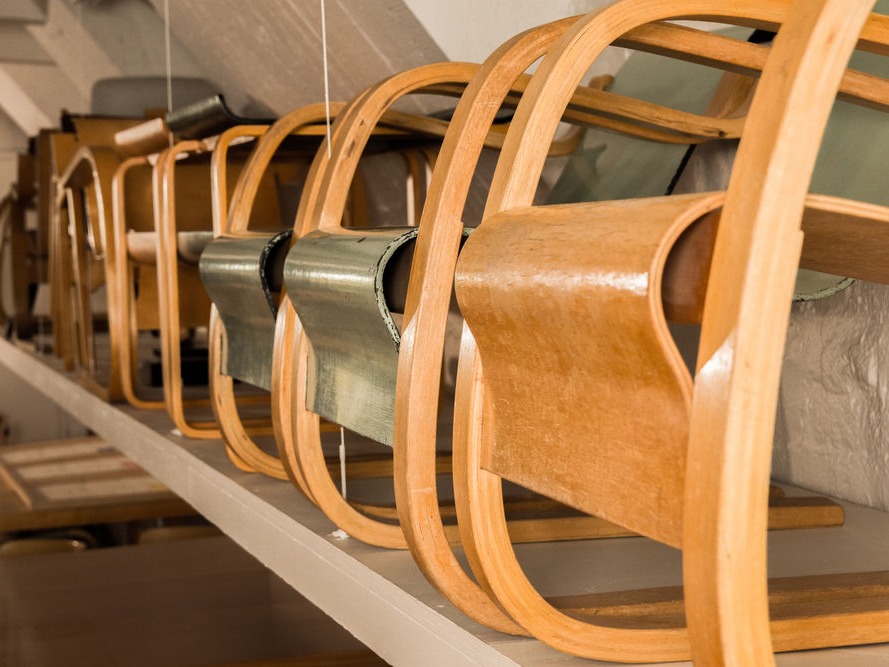
Armchair 42
And finally, what makes a timeless piece of design, what elements must be present?
The timeless appeal of the item is down to how it is executed under talented craftsmanship, the understanding of materials, how it is created to serve a particular purpose – all this contributes to how it ages graciously as time passes. We think it’s something you can always turn to and be astonished by its details.