The Meatless Menu
Words Nora Walsh
Photographs Sam Walton
This conversation was produced in collaboration with Banana Republic
In a country that produces 700 tons of beef every year, a group of passionate vegan and vegetarian chefs and restaurateurs are working to change tastes and shift habits among the meat-loving citizens of Buenos Aires
Buenos Aires has well-documented and deep-rooted love affair with meat. According to a 2022 trade report, Argentines consume almost 21lbs of beef a year per person, making the South American country largest consumer of meat in the world.
However, in recent years there’s been a major cultural and dietary shift. Driven by a difficult economy, changing social norms, and a focus on culinary innovation and sustainability, Argentina — more specifically, Buenos Aires — is gradually evolving into a plant-based culinary hub. Talented chefs and pioneering food entrepreneurs are exploring the vast potential of plant-based ingredients and showcasing their versatility and richness at restaurants, cafes, and bakeries across Argentina’s dynamic capital city.
“We eat a lot of meat in Argentina because English merchants in the late 19th and early 20th centuries began raising cattle here for global exportation. So, that’s what we raise, and that’s what we eat,” says Narda Lepes, a premier chef, TV personality and restaurateur from Buenos Aires. Lepes began working as a TV chef more than 20 years ago and has long been credited with helping shape the Argentine palate to be more receptive to plant-based foods.
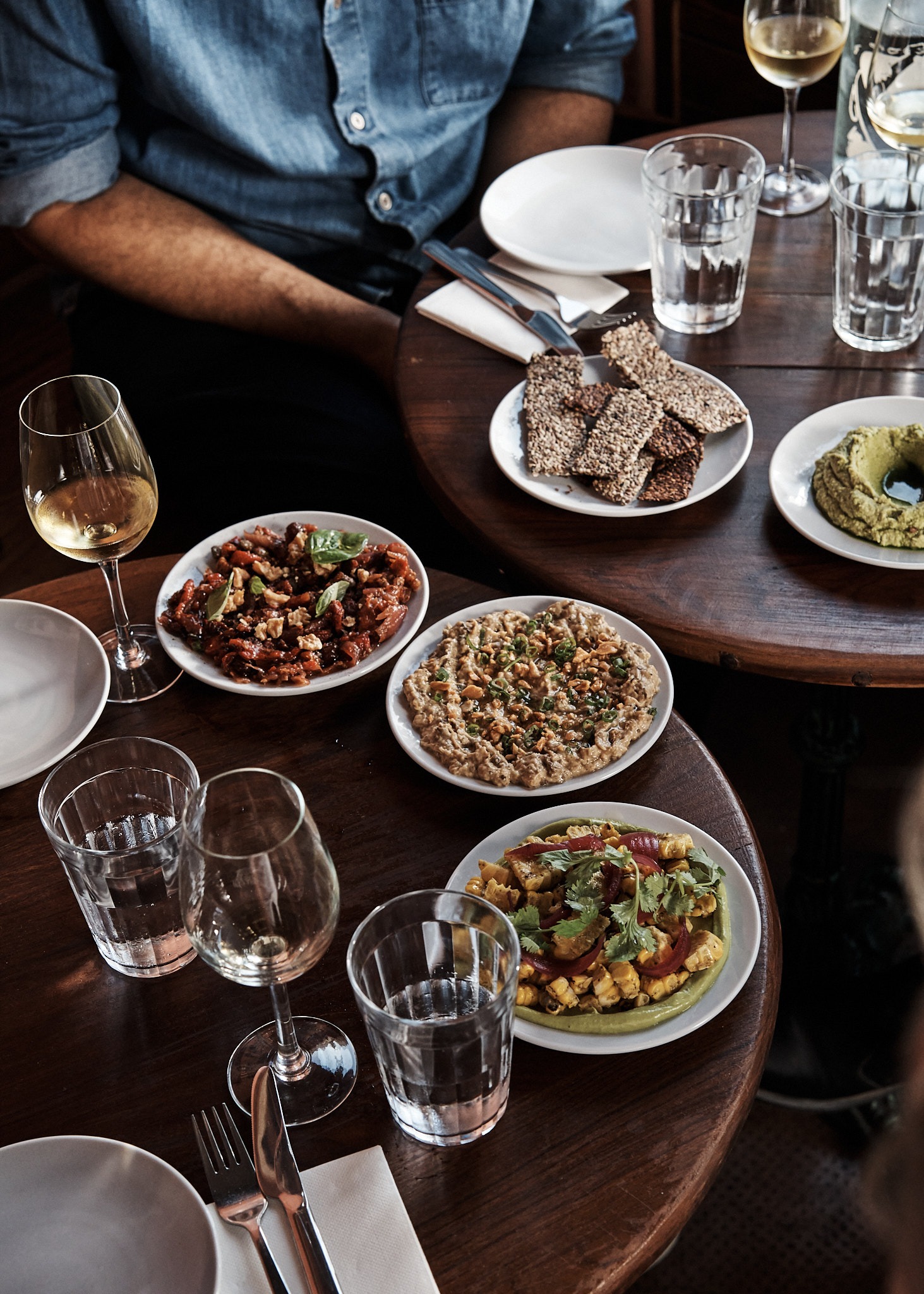
“When I started my TV show, vegetarian and vegan cuisine were still foreign concepts,” Lepes explained. “I was making dishes based largely on plants, not carbohydrates or proteins, and that was a big shift from the typical Argentine diet.” Lepes spotlighted vegetables very few people consumed at the time, including cauliflower, Brussel sprouts, and cabbage. “Back then no one wanted to eat cauliflower because they said it smelled, so I would bake it rather than boil it, and sprinkle it with chorizo or pecorino cheese to make it more appealing.”
In 2017, she opened the restaurant Comedor (Belgrano) so people could sample the dishes she was cooking on television. “I served sharing dishes where you could see the entire vegetable — like a whole eggplant or beetroot. They didn’t like it at first,” said Lepes. “Then they did.”
While Lepes was careful not to alienate anyone by focusing on the salubrious benefits of eating vegetables, restauranteur Mauro Massimino took the opposite approach. For ethical reasons, the classically trained chef had been a vegetarian for 17 years before he opened Buenos Aires Verde (Palermo) in 2009, which focuses predominantly on raw vegetarian cuisine that is both healthy and delicious. “There was no education or culture around preparing plant-based cuisine when I was in cooking school,” he said. “Vegetables had the bad reputation of being tasteless.”
In researching the seasonality of products, Massimino discovered the myriad health benefits of organic, sustainable, and biodynamic ingredients. He then began working with naturalist doctors to understand how food affects the body. “Many people eat just for the pleasure of the palate without listening to what their body needs.”
Massimino also experimented with germinating, sprouting, fermenting, and dehydrating foods and combining flavors, textures, and colors for nuance. Popular dishes on the restaurant’s menu include raw lasagna filled with in-season vegetables and cashew cheese and veggie-stuffed crepes prepared with a chef’s touch. “[Each dish] is packed with nutrients that vitalise the body,” he says.
Argentina is one of the world’s top exporters of organic products, but the domestic market has been historically small due lack of demand. “That’s changing now,” Massimino adds.
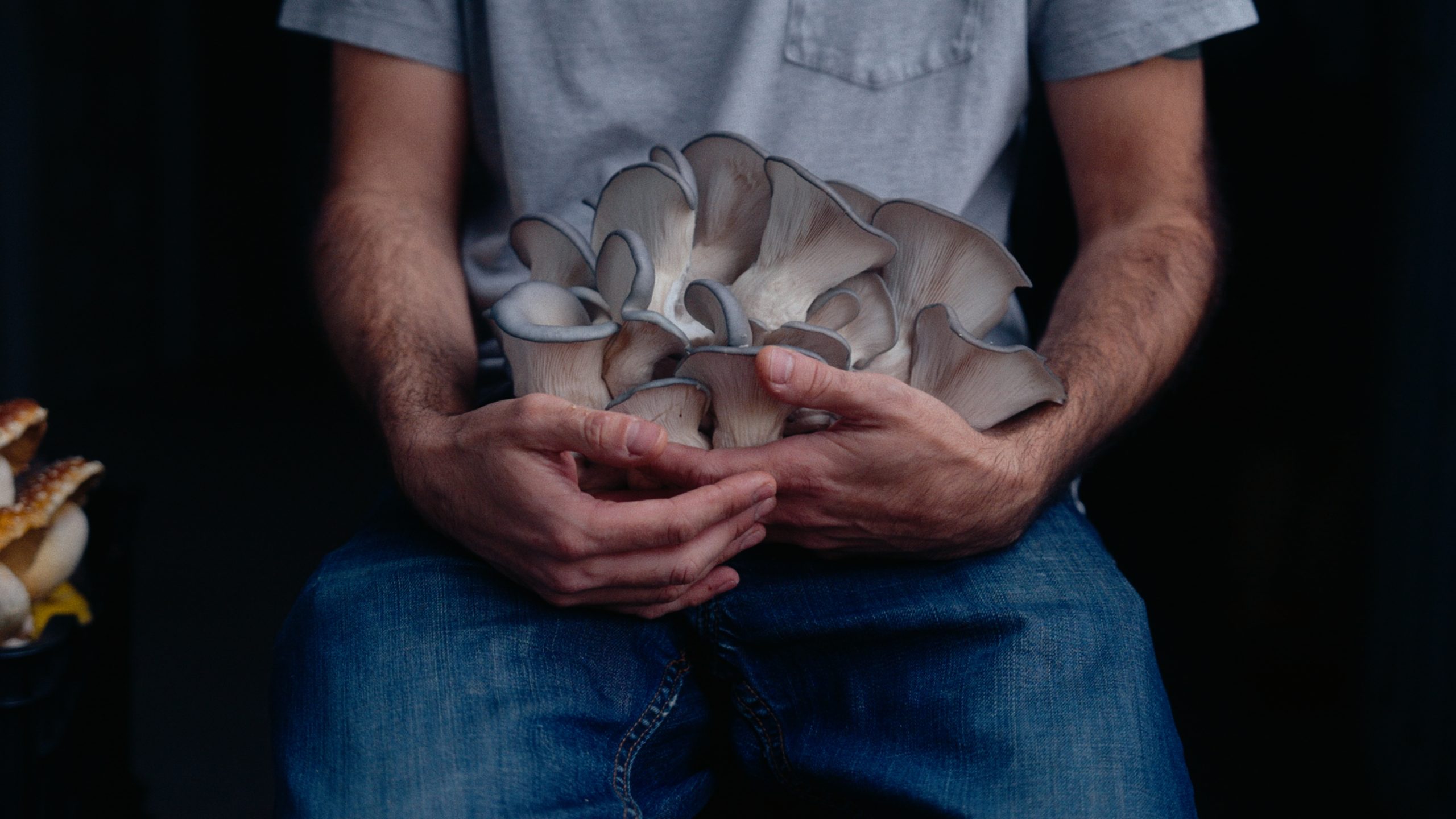
Patricio Gonzalez of Florida Fungi is well-aware of the culinary scene’s uptick in demand for organic ingredients. He started growing exotic mushrooms seven years ago on a small farm near his home, and since then, he’s moved into a 4,300-square-foot warehouse with two new grow rooms – and he still can’t satisfy the surge in client orders. Florida Fungi sells to the city’s top plant-based restaurants including Marti (Recoleta), a new vegetarian venture from celebrity chef German Martitegui; Donnet (Chacarita), a mushroom-focused eatery from vegan chef Manuela Donnet; the fine-dining vegetarian temple, Sacro (Palermo); and Chuí (Villa Crespo), a hip new hotspot from a young group of restaurateurs. “Mushrooms are gaining a lot of space in the modern diet,” says Gonzalez. Especially his best-selling varieties including lion’s mane, pioppino, pholidota adiposa, and buna shimeji. “People are really open to trying new foods right now – maybe it’s because of social media,” he says.
The plant-based dining scene was still niche in Buenos Aires when chef Maximiliano Rossi helped launch Sacro five years ago. “It used to be that meat was the star of the plate and vegetables were just an accompaniment,” he says. Rossi decided to focus on flavor and aesthetics while working with whole ingredients like avocado, cauliflower, and figs. “I wanted people to come here for a special fine dining experience, not an everyday meal,” he adds.
Not only does is the plant-based phenomen taking over the restaurant scene in Buenos Aires — it extends to the bakeries, as well. When studying to become a pastry chef in Europe at Le Cordon Bleu, Catalina Azcuy started removing butter, milk, and cream from pastry recipes for health reasons. Upon returning to Buenos Aires at the onset of the pandemic, Catalina, a vegetarian, and her sister, Agustina, a longtime vegan, started selling vegan pastries on Instagram. Their recipes, like the vegan and gluten-free chipa (traditional cheese bread) made with squash and Japanese miso; coconut cake with almond dulce de leche, crunchy peanut butter and coconut flakes; and homemade sourdough bread with cashew cheese, avocado, and beets, were so successful they decided to open Casa Nueza, a small bakery in the neighborhood of Palermo Soho. The demand was so great, they immediately opened a second, larger, bakeshop nearby. A third locale, which will house a cafe and yoga studio, is on the way in Palermo Hollywood.
“Five years ago, when my sister and I would go out to eat in Buenos Aires, our options were limited to lettuce with some tomatoes and carrots,” explains Azcuy. “Now, most restaurants have at least a few quality vegan dishes to choose from on the menu.”